What are the precautions for growing Chinese fringeflower (Loropetalum chinense var. rubrum)?
When growing Chinese fringeflower, it needs to be repotted regularly. When repotting, the soil can be changed to provide the plant with sufficient nutrients. Note that when potting up, water thoroughly. Moreover, Chinese fringeflower has strong sprouting ability and grows quickly, so it needs to be pruned to control the plant shape and maintain its high ornamental value.
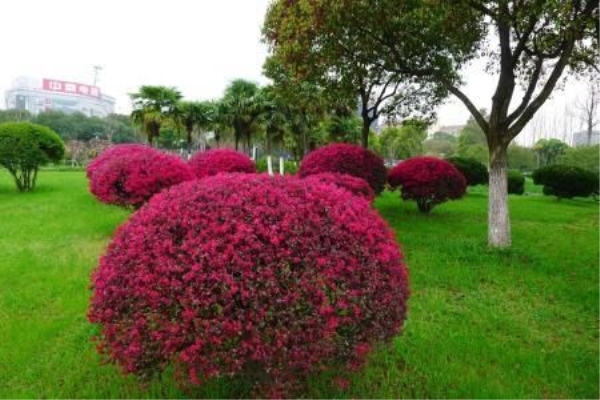
Precautions for growing Chinese fringeflower
Repotting
Potted Chinese fringeflower needs to be repotted regularly. The repotting time is determined by the size of the plant; the smaller the plant shape, the shorter the interval. When repotting, the soil can be changed, and when potting up, water thoroughly.
Pruning
Chinese fringeflower has strong sprouting ability and grows quickly, so it needs to be pruned to control the plant shape. By pinching back and trimming branches, Chinese fringeflower keeps a graceful form, shaping the potted image you like. At the same time, it can also improve the ventilation and light conditions for Chinese fringeflower, allowing it to grow well.
Pests and diseases
The diseases of Chinese fringeflower include root rot, powdery mildew, sooty mold and chlorosis, etc. The pests are mainly aphids, red spider mites, etc. If pests or diseases are found, timely treatment is needed.
Growing methods and precautions for Chinese fringeflower
Growing methods for Chinese fringeflower
Soil
Chinese fringeflower has strong adaptability and can tolerate barren soil, but it grows better in moist, fertile, slightly acidic soil. In the soil, some decomposed organic fertilizer should be added as a base fertilizer.
Light and temperature
Chinese fringeflower likes light and prefers a warm climate. It can tolerate cold and is slightly shade-tolerant. Chinese fringeflower needs sufficient light to grow healthily with brilliant flowers and leaves, but in summer it needs shading to avoid direct sunlight. Build a shade frame or place the potted Chinese fringeflower in a spot not exposed to direct sunlight for care, and note that the leaf color should not turn green. The growing temperature is best kept at around 20°C, but since winter temperatures are low, it is better to move it indoors for the winter, keeping the temperature above 5°C, and pay attention to ventilation.
Water and fertilizer management
Chinese fringeflower likes a moist environment. During the growing period, watering should be moderate, and the potting soil should not be too dry or too wet. Generally, for watering, more water is needed in summer, and attention should be paid to spraying water. In winter, because Chinese fringeflower goes dormant, watering should be reduced, but it should not be too dry either. As for fertilizing, applying once every half a month during the growing period is sufficient. During the dormant period, fertilizer can be applied less or not at all. Note that Chinese fringeflower prefers acidic conditions, so some ferrous sulfate solution can be sprayed, and some potassium fertilizer can be applied before flowering.
Precautions for growing Chinese fringeflower
Repotting
Potted Chinese fringeflower needs to be repotted regularly. The repotting time is determined by the size of the plant; the smaller the plant shape, the shorter the interval. When repotting, the soil can be changed, and when potting up, water thoroughly.
Pruning
Chinese fringeflower has strong sprouting ability and grows quickly, so it needs to be pruned to control the plant shape. By pinching back and trimming branches, Chinese fringeflower keeps a graceful form, shaping the potted image you like. At the same time, it can also improve the ventilation and light conditions for Chinese fringeflower, allowing it to grow well.
Pests and diseases
The diseases of Chinese fringeflower include root rot, powdery mildew, sooty mold and chlorosis, etc. The pests are mainly aphids, red spider mites, etc. If pests or diseases are found, timely treatment is needed.