How to Grow Chinese Hibiscus? A Complete Guide to Cultivation Methods and Precautions
Fusang is the common name for Chinese hibiscus (Hibiscus rosa-sinensis), also called Buddhist hibiscus, big red flower, and China rose. Fusang is a beautiful ornamental flowering shrub with large, vividly colored blooms and a long flowering period. Besides red, there are also pink, orange-yellow, yellow, pink-edged-with-red-center, and white varieties; besides single-petaled types, there are also double-petaled varieties. Potted fusang is one of the best flowering plants for decorating holiday parks, flower beds, hotels, convention venues, and home gardens. Its roots, leaves, and flowers can all be used as medicine, with effects of clearing heat and promoting diuresis, and detoxifying and reducing swelling.
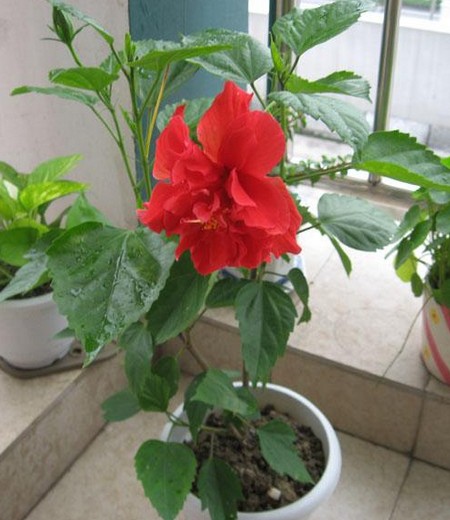
With fiery red flowers, lush green leaves, various colors, and single or double petals of different forms, this is the national flower of Malaysia - the fusang flower. In summer, fusang blooms most vigorously; its brilliant colors are precisely the hallmark of the fusang flower. So what are the cultivation methods for fusang, and how should you care for fusang? The beautiful fusang flower has relatively large blooms and flowers all year round, in red, yellow, pink, and more. It likes a humid, warm climate and is not strict about soil requirements; as long as it is not too cold, fusang will grow especially well!
The fusang flower's bloom is like an elegant woman dancing in a brightly colored long dress. When summer arrives, the tree full of flowers and rich colors will make you unable to resist becoming immersed in them. If you also want to grow fusang, then let the editor tell you about fusang's cultivation methods and care precautions!
[Cultivation Methods for Fusang Flower]
1. Soil: It can adapt to various soils, but fertile, loose, slightly acidic soil is best.
Site selection and soil preparation: Choose a sunny site with a warm, humid climate and fertile, loose, well-draining, slightly acidic soil.
2. Temperature: The suitable growing temperature for fusang is 15-25°C, and from October to March of the following year it is 13-18°C. In winter, the temperature must not be lower than 5°C, otherwise the leaves will turn yellow and fall off. Below 0°C it is prone to frost damage, but it can still grow normally at high temperatures above 30°C.
After Frost's Descent and before the Start of Winter, it must be moved indoors, because fusang is not tolerant of frost. The overwintering temperature should not be lower than 5°C, to avoid frost damage; and not higher than 15°C, to avoid affecting dormancy. When the weather is colder, you can cover it with paper or plastic film for warmth. When first moved indoors, open the windows for ventilation every day during the daytime, pay attention to changes in the dryness and moisture of the potting soil, and water appropriately. On the coldest days, watering helps prevent frost damage, but fertilizing should be stopped.
3. Sunlight: Fusang is a strongly sun-loving plant and needs sufficient light during the growing period to grow and bloom normally. If light is insufficient, flower buds are prone to dropping, flowers are small, and flower color is dull; but when sunlight is too intense, the plant can suffer sunburn, so appropriate shading protection should be provided. Fusang flowers like light, so the growing location is best in a sunny place, such as a south-facing balcony. During the growing season of fusang, water and fertilizer management should be strengthened. Fusang flowers are very fond of water, and quite a few gardening enthusiasts have caused them to die from lack of water by overlooking this (do not water desperately just because it likes water; it should be based on the dryness and moisture of the soil). Fertilization should mainly be light and frequent, applying a dilute liquid fertilizer once every 7-10 days. Note that less fertilizer should be applied later on, to avoid producing autumn shoots. Autumn shoots are tender in tissue and weak in cold resistance, and will suffer frost damage in cold weather.
4. Watering: During the winter, keep the pot slightly moist; generally water once every 5-10 days, and the amount of water should not be too much, to avoid root rot caused by a low-temperature, high-humidity soil environment. In the dry winter climate of the north, phenomena such as pale yellow leaf color and dry leaf edges will appear, so attention should be paid to increasing indoor air humidity. Methods such as spraying and washing the branches and leaves or covering with plastic film can be used to increase the air humidity around the plant and create suitable humidity conditions for its growth.
5. Management: Management is also very important. When moving it outdoors to a sunny place in early May, management work such as strengthening fertilizer and water, loosening the soil, and weeding should be intensified. Apply a dilute liquid fertilizer once every 7-10 days, and when watering, pay attention to the dryness and moisture of the potting soil; too dry or too wet will both affect flowering. Management after autumn should be cautious; note that less fertilizer should be applied later on, to avoid producing autumn shoots. Autumn shoots are tender in tissue and weak in cold resistance, and will suffer frost damage in cold weather.
6. Repotting: Before moving it outdoors in April each year, it should be repotted. The soil should preferably be loose, fertile, sandy soil. When repotting, new culture soil should also be used, some overly dense and curled fibrous roots should be trimmed off, sufficient base fertilizer should be applied, and a little phosphate fertilizer should be added at the bottom of the pot.
7. Pruning: After moving it outdoors, carry out pruning. For each branch, except for keeping 2-3 buds at the base, cut off the entire upper part. Pruning can promote new branches, making growth more vigorous and the plant shape more attractive. After pruning, water and fertilizer should be appropriately controlled.
8. Pest and disease control: After moving indoors in winter, if indoor ventilation is poor and light is insufficient, it is prone to damage by aphids and scale insects. Attention should be paid to improving the ventilation and light transmission conditions of the indoor environment and combining this with chemical control. When there are few scale insects, they can be gently brushed off with a brush. The main insect pests of fusang are aphids, scale insects, cottony cushion scale, and mites (commonly known as red spiders). These pests are all piercing-sucking pests, meaning they use their mouthparts to pierce the leaf surface or epidermis of the plant and suck the plant's sap. The leaves of the damaged plant lose their green color, growth weakens, and ornamental value is reduced. After aphids and mites appear, pesticides such as aphid-mite killer, aphid-mite cleanser, and mite clear can be diluted to a certain ratio and sprayed on the leaf surface to kill them, once a week; generally 2-3 times can basically eliminate them. Scale insects and cottony cushion scale can damage leaves and the epidermis; generally, imidacloprid-type pesticides or their improved formulations can be diluted to a certain ratio and sprayed on the affected parts to kill them. In severe cases, it can be done once every 10 days, and 3 times can basically eliminate them.