-
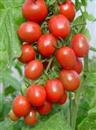
How to cultivate cherry tomatoes for high yield? These six steps are key
1. Throw the seedlings at the right time to give full play to the advantage of early growth and rapid development. Rice seedling trays contain little soil, so on the premise that the seedlings can be picked up without the soil falling apart, the earlier they are thrown, the better. Generally, 15-20 days after sowing for the early crop and 8-10 days for the late crop, when the seedlings have about three leaves, they can be thrown. The shorter the seedlings, the faster they stand and resume growth, and the more fully they can...
-
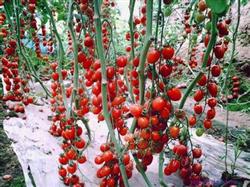
How can cherry tomatoes be grown to achieve high yields?
1. Throw the seedlings at the right time to give full play to the advantage of early and rapid growth. Rice seedling trays contain little soil, so on the premise that the seedlings can be picked up without the soil falling apart, the earlier they are thrown, the better. Generally, 15-20 days after sowing for the early crop and 8-10 days for the late crop, the seedlings can be thrown once they have about three leaves. The shorter the seedlings, the faster they establish and resume growth, and the...
-
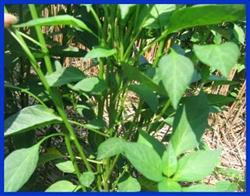
High-Yield Cultivation Techniques for Greenhouse Peppers Across Spring, Summer, and Autumn
At present, the main problem in production is that early spring cropping dominates, while after the greenhouse film is removed in summer, autumn delayed production is relatively limited. After summer, as open-field vegetables reach the market, management is relaxed, and late-season pepper yields are relatively low. To maximize the production role of greenhouse facilities, the author guided farmers to carry out a single large cropping cycle of greenhouse peppers across spring, summer, and autumn...
-
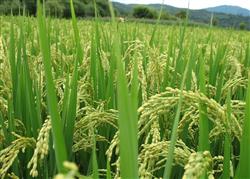
What is the effect of different fertilizer ratios on rice yield?
When rice shows premature senescence from the heading to the maturity stage, it leads to poor grain filling, an increase in blighted grains, and reduced yield. There are many factors that cause premature senescence in the late growth stage of rice. First, improper cultivation management. If the planting density is too high, the plants grow thin and weak; if too much nitrogen fertilizer is applied in the early and middle stages, while phosphorus, potassium and trace element fertilizers are applied...
-

Timely early transplanting of rice helps increase yield
As a supporting seedling-raising method for manual transplanting, the wet seedling-raising technique for rice is suitable for seedling raising across different regions, rice-growing seasons and different types of rice varieties, and is widely adopted in China. This technique is easy to operate, widely applied and highly adaptable; when mastered properly, it produces seedlings of good quality and high yield. 1. Seedbed preparation...
-
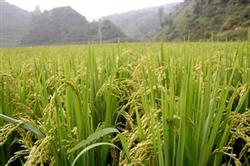
What are the practical measures for increasing rice yields?
Apply "no-deep-tillage" soil conditioner to increase soil permeability, promote rice root growth and development, and improve the rice plant's fertilizer use efficiency, thereby increasing rice yield. On this basis, firmly grasping the following measures also has a huge effect on increasing rice yield. 1. Increase the number of panicles. ① Cultivate strong seedlings. To...
-
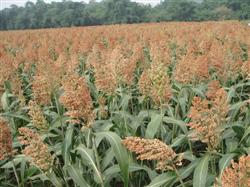
How to Grow Sorghum for High Yields? A Complete Guide to Cultivation Techniques
Sorghum is one of the main dryland crops in Haicheng City, with characteristics such as drought and waterlogging tolerance, salt and alkali tolerance, and strong adaptability. Due to changes in people's dietary structure in recent years, sorghum grain has once again become "favored" and is one of the staple foods people prefer. Appropriately expanding the sorghum planting area can achieve crop rotation and stubble succession, balance...
-
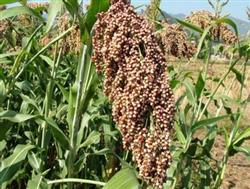
Detailed Explanation of Key Points of New High-Yield Sorghum Cultivation Techniques
1. Timely sowing to ensure full stands. The basis for determining sowing time is soil temperature and soil moisture. In early spring, when the soil temperature at a depth of 10 cm reaches 12°C and the moisture content is 15-20%, sowing can begin. When necessary, irrigate first to replenish soil moisture before sowing, or sow with water to supplement moisture, to prevent sprout drying and uneven emergence. In the main sorghum production areas of Liaoning, the western Liaoning...
-
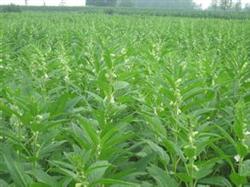
High-Yield Fertilization Methods and Key Technical Points for Sesame
(1) Land preparation: Sesame seeds are small, the root system is weak, and seedlings grow slowly, so fine land preparation is one of the important measures for achieving full emergence and strong seedlings from a single sowing. Sesame is afraid of waterlogging; in low-lying and rainy areas, on the basis of plowing and land preparation, ditches should be opened and raised beds made to do a good job of drainage and waterlogging prevention. In the urban area of Tianjin, spring rain and snow are scarce, so for spring-sown sesame, winter plowing and harrowing should be carried out...
-
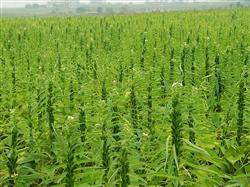
How to fertilize sesame for high yields? These key tips you need to know
To achieve high quality and high yields in sesame, scientific and rational fertilization is key. Production practice has proven that fertilizing sesame depends mainly on getting the timing and method right: the seedling fertilizer should be "early," the bud fertilizer should be "clever," and the flower fertilizer should be "heavy." The specific methods are discussed below for reference. Applying seedling fertilizer early: because sesame seeds are relatively small, plus...
条件筛选