-
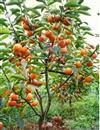
Detailed Explanation of Key Points for High-Quality and High-Yield Cultivation Techniques of Sweet Persimmon
Orchard establishment and planting. Sweet persimmon has no strict requirements for soil, but sandy soil with a pH value of 5.5-7.5 is optimal. An average annual temperature above 13°C is suitable. Most varieties of sweet persimmon have only female flowers but can set fruit parthenocarpically; however, planting pollinator varieties is more conducive to production. The main planted varieties should be selected for market suitability, large fruit size, attractive appearance, and flesh...
-
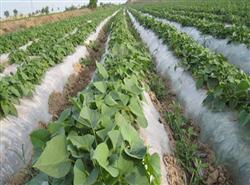
Properly controlling excessive vine growth in sweet potatoes can promote high yields
Sweet potato is a crop with high and stable yields. It has the characteristics of wide adaptability, strong stress resistance, drought and barren tolerance, and relatively few pests and diseases. When planted in places with good water and fertilizer conditions, it can generally yield 2000--3000 kg per mu. However, due to differences in natural conditions and cultivation levels, the yield per unit area is also extremely uneven. In order to fully...
-
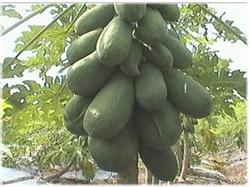
Detailed Explanation of Key Techniques for High-Yield Papaya Cultivation
Papaya (Chaenomeles sinensis) is a plant of the genus Chaenomeles in the Rosaceae family. Its fruit is rich in nutrients and has high medicinal value. The key techniques for high-yield field cultivation of papaya are described as follows: Papaya is suitable for close planting. On thin soils in mountainous and hilly areas, the plant-to-row spacing is generally 1.5-2 m x 3 m. On flat land with good fertility and water conditions, the plant-to-row spacing should be 2-3 m x ...
-
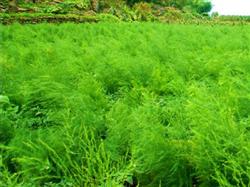
Detailed Explanation of Key Points for High-Yield Asparagus Cultivation Techniques
Asparagus seeds form a rhizome plate within two to three years after sowing. In spring, many tender spears emerge from the upper part of the rhizome plate, and these are the asparagus commonly eaten. It has a long lifespan, generally reaching 14-18 years. After sowing and planting, it can be harvested in the second year. An excellent F1 hybrid asparagus variety can yield 150 kg-2... of fresh green asparagus in the second year.
-
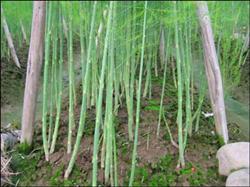
Key Points of High-Yield Cultivation and Management Techniques for Asparagus
Asparagus is one of the highly efficient economic crops; a single planting can be harvested for more than 10 years. The annual asparagus yield per mu generally reaches 2,300 kg, and the output value per mu reaches over 10,000 yuan. Fresh asparagus is rich in protein, cellulose and various trace elements, and has effects such as promoting blood circulation and relieving menstruation, as well as preventing cancer. Its high-yield cultivation and management techniques should focus on the following...
-
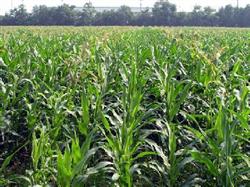
Technical methods for phosphorus and potassium fertilizer management for high-yield maize
The effect of applying phosphorus and potassium fertilizers varies greatly depending on the soil's available nutrient content. Increasing the application of phosphorus and potassium helps produce strong seedlings that emerge early, strong plants with large ears, a higher grain-to-leaf ratio, and more grains and greater grain weight, and is an important condition for improving population quality. However, after phosphorus and potassium fertilizers are applied, most are absorbed and fixed by the soil, the absorption and utilization rate in the current season is low, and in the soil...
-
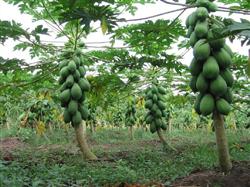
Key Points of Standardized High-Yield Cultivation Techniques for Papaya
The papaya fruit is oval-shaped, with lignified flesh, and is resistant to storage, capable of being stored naturally for 5-6 months. The fruit skin is smooth and waxy, golden-yellow and shiny; clean and attractive, with a rich and unique fragrance. When placed indoors, the aroma fills the air and lingers for a long time. Because the seeds of Yizhou papaya have a layer of mucilage on the surface, the seedling emergence rate is low, currently...
-
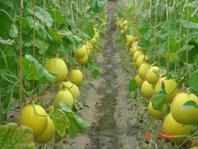
Key Technical Points for High-Yield and High-Efficiency Cultivation of Thin-Skinned Melons in Cold Greenhouses
Thin-skinned melons have traditionally been cultivated by letting the vines trail on the ground, with the vines growing in a tangled and crisscrossing manner that is very difficult to manage, and the yield is also low. When thin-skinned melons are cultivated in cold greenhouses, using the trellising method just like growing cucumbers in large greenhouses, higher yields and economic benefits have been achieved, with an average of 667 sq m producing over 5,000 kg of melons, and a net benefit of...
-

Put eggshells in the vegetable pot, and the leaves will be green and the seedlings strong, prettier than a bonsai, with double the yield
Private Balcony Vegetable Garden Teacher Xiao Ye teaches you to grow vegetables step by step Follow The eggshells left over from everyday meals are actually great fertilizer for growing vegetables. Not only do they make the vegetables grow green and strong, but the key is that after the vegetables absorb the nutrients, the yield will be twice as high! Today...
-
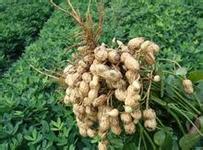
What kind of soil conditions do peanuts need for high yields?
(1) Deep full soil layer. For a high-yield field, the full soil layer should be more than 50 cm deep. 99% of the peanut root system is distributed within 50 cm, while the main root reaches deep, more than 1 m down, so a deep soil is very important for the growth and development of the peanut root system. (2) Loose and active cultivated layer. A thickness of 30 cm is the loose, active and fertile cultivated layer, and...
条件筛选