What kind of soil conditions do peanuts need for high yields?
(1) Deep full soil layer. For a high-yield field, the full soil layer should be more than 50 cm deep. 99% of the peanut root system is distributed within 50 cm, while the main root reaches deep, more than 1 m down, so a deep soil is very important for the growth and development of the peanut root system. (2) Loose and active cultivated layer. A thickness of 30 cm is the loose, active and fertile cultivated layer, and...
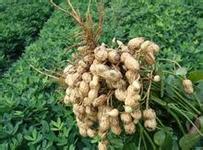
(1) Deep full soil layer. For a high-yield field, the full soil layer should be more than 50 cm deep. 99% of the peanut root system is distributed within 50 cm, while the main root reaches deep, more than 1 m down, so a deep soil is very important for the growth and development of the peanut root system.
(2) Loose and active cultivated layer. A thickness of 30 cm is the loose, active and fertile cultivated layer, and it is also the layer where the main root mass with the strongest ability to absorb fertilizer in peanuts is distributed.
(3) Loose fruiting layer. The topsoil layer of more than 10 cm is the fruiting layer where peanut roots and stems grow and the gynophores enter the soil to set fruit. The soil is required to have good permeability, a sandy loam that does not scatter or harden when dry and is not sticky or ? when wet. Organic matter content above 1%, total nitrogen content 0.05%-0.07%, available phosphorus content 24 to 25 parts per million, available potassium content 54 to 74 parts per million, pH 7-8. A plot where peanuts have not been grown for more than 3 years or that is not continuously cropped.