-

Practical Methods and Technical Key Points for Weed Control in Wheat Fields
Methods of Weed Control in Wheat Fields
-
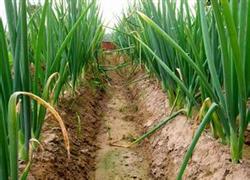
Key Winter Management Techniques for Intercropping Welsh Onions in Wheat Fields
In early autumn the weather turns cool and the onions begin vigorous growth, but the temperature is still relatively high and the plants grow slowly. Their water demand is not high, so they should be watered sparingly. Watering should be done in the morning and evening; never water at noon, as this suddenly lowers the soil temperature and affects root growth. In late August, when the average temperature in North China is below 24°C, Welsh onions...
-

How to double-crop cauliflower in spring wheat fields? Cultivation techniques for double-cropping cauliflower after spring wheat
Yield and output value Cauliflower yields an average of 1500-2000 kg, with an output value of 500-600 yuan. The main varieties are Beijing Holland Snowball 80 days, Jinxuan 31-9-8, and Japanese Snow Mountain 80 days. Beijing Holland Snowball 80 days is suitable for autumn vegetable cultivation. This variety has strong growth, a compact plant type
-

What are the main herbicides used in wheat fields? Detailed guide to their application methods
Main herbicides for wheat fields and their application methods
-
Comprehensive Control Methods for the Malignant Weed Jointed Goatgrass in Wheat Fields
Comprehensive Control of the Malignant Weed Jointed Goatgrass in Wheat Fields
-
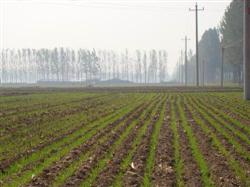
How can phosphate fertilizer efficiency in wheat fields be improved? Practical methods shared
1. Apply after mixed composting and fermentation with organic fertilizer. Organic fertilizer is rich in organic matter, phosphoric acid and a variety of organic weak acids, which can turn insoluble phosphorus into soluble phosphorus. It not only greatly improves the utilization rate of phosphate fertilizer, but also effectively overcomes the problem of phosphate fertilizer burning seedlings. 2. Apply in combination with nitrogen fertilizer, potassium fertilizer, and zinc fertilizer...
-
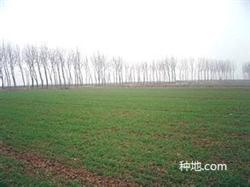
What are the precautions for using herbicides in wheat fields?
What should be noted when using herbicides in wheat fields? How should it be done? Applying herbicides to wheat requires the following strict practices: Strictly select herbicide varieties. There are many types of herbicides, and each herbicide has a certain spectrum of weed control. Some herbicides have a very narrow weed control spectrum, such as barban, which can only control wild oats; MCPA controls shepherd's purse, purslane, and wild oats very well, but its effect on cleavers is very poor; 2,4-D is effective against broadleaf weeds such as amaranth, but ineffective against grass weeds. Farmers should choose the right herbicide according to the most common weed species in the wheat field in order to achieve the desired effect. To control broadleaf weeds, herbicides such as chucaojing, dicaojing, tribenuron-methyl, and baijia mixture can be selected for good control results; however, metsulfuron-methyl, chlorsulfuron, and maicaoer can only be used early in wheat fields under a rice-wheat rotation system. If crops such as cotton, corn, peanuts, or beans are planted after rice, serious phytotoxicity will occur, leading to frequent incidents of almost total crop failure.
-
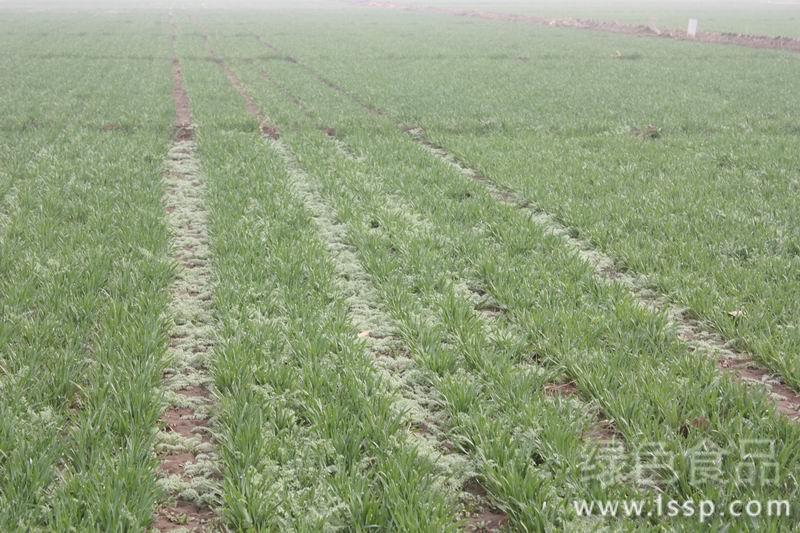
Weeds in wheat fields cause serious damage; what control measures are there?
Serious damage from wheat field weeds, growth and control measures
-
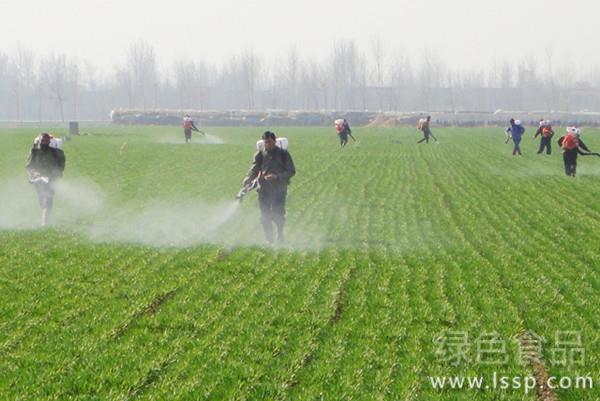
How to manage spring wheat fields well during the critical growth period of wheat
Spring wheat field management measures during the critical growth period of wheat
-
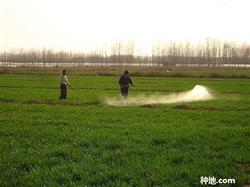
Chemical Weed Control Methods and Technical Points for Winter Wheat Fields
How to chemically control weeds in winter wheat fields? Please guide. For chemical weed control in winter wheat fields, you can refer to the following methods: 1. Control agents: 3% Shima oil suspension concentrate (mesosulfuron-methyl); 3.6% Kuoshima water-dispersible granules (mesosulfuron-methyl + iodosulfuron-methyl-sodium). 2. Usage amount: Shima...
条件筛选