-

Does applying chlorsulfuron to wheat fields affect cotton?
Chlorsulfuron is a sulfonylurea herbicide with high herbicidal activity, mainly used in wheat and flax fields to control annual monocotyledonous and dicotyledonous weeds. In China, it is currently restricted to use only in wheat fields in the wheat-rice rotation areas of the Yangtze River basin. It is not easily decomposed in soil, and its residual effect lasts up to 6 months. Crops such as cotton, peanut, soybean and vegetables are sensitive to this herbicide. When chlorsulfuron is applied to wheat fields and sensitive crops such as cotton are planted in the following crop, phytotoxicity of varying degrees will occur. In wheat fields where chlorsulfuron has been applied, it is best not to transplant cotton; other crops with strong tolerance can be planted instead.
-
How to double-crop cauliflower in spring wheat fields? Cultivation techniques for double-cropping cauliflower after spring wheat
Yield and output value Cauliflower yields an average of 1500-2000 kg, with an output value of 500-600 yuan. The main varieties are Beijing Holland Snowball 80 days, Jinxuan 31-9-8, and Japanese Snow Mountain 80 days. Beijing Holland Snowball 80 days is suitable for autumn vegetable cultivation. This variety has strong growth, a compact plant type
-
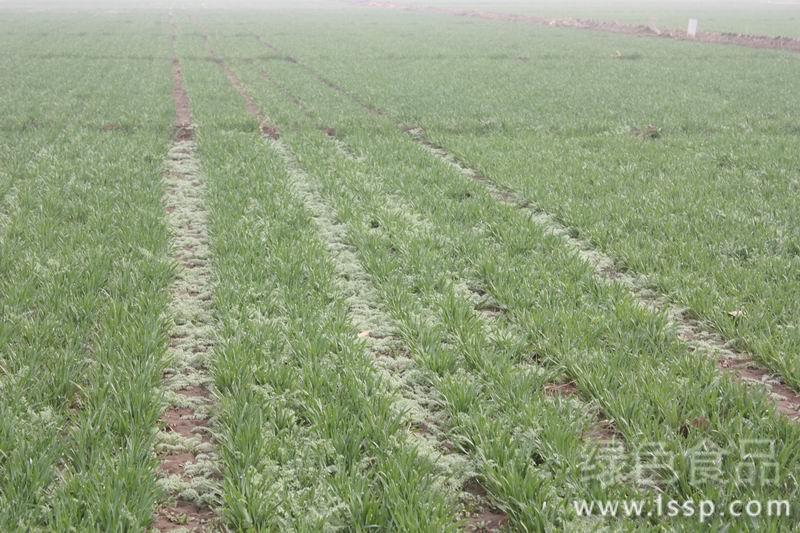
Weeds in wheat fields cause serious damage; what control measures are there?
Serious damage from wheat field weeds, growth and control measures
-
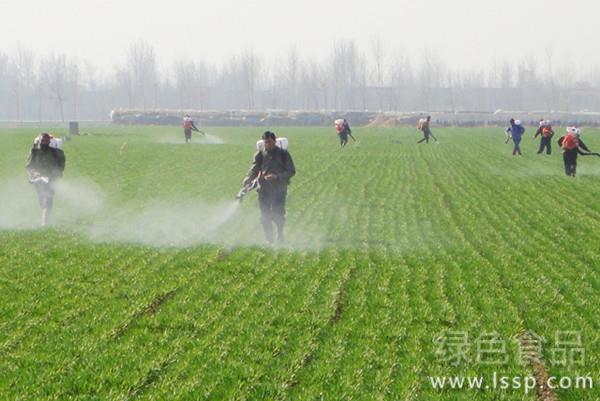
How to manage spring wheat fields well during the critical growth period of wheat
Spring wheat field management measures during the critical growth period of wheat
条件筛选