-
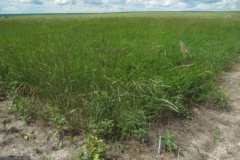
The Importance of Ecological Environmental Management and Protection as Seen from the Distribution of Weeds on Non-Cultivated Land
Weed Ecology and Distribution: Weeds can be seen everywhere, and there are also a great many weeds in the land we cultivate. So how should you go about managing weeds? Just buy herbicides? That is not ecological. If you want ecological and environmentally friendly methods, then you had best understand their ecology and distribution.
-
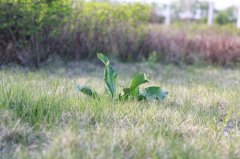
How to manage perennial invasive weeds? An introduction to practical control methods
Weed control: no matter what crop you grow, weed problems will always exist, so how do you manage weeds? Do you know how? If not, then let's find out together. The interference of weeds with the normal growth of crops differs from the damage caused by pathogens and insects and other pests (p
-
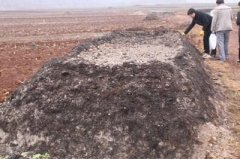
Methods and Benefits of Making Organic Fertilizer from Weeds
Weed Organic Fertilizer: Weeds can also be made into organic fertilizer. Do you know how to make it? Only by farming with a longer-term vision and forming a virtuous cycle can the vitality of the earth be sustained endlessly. In the general view of farmers, weeds are bad, they
-

What is the difference between common bugloss and rehmannia? A quick guide to tell them apart
In rural areas, wild weeds can be seen everywhere, and many people think they are nothing but weeds, not realizing that some of them are useful, just like common bugloss and rehmannia, which can be used as traditional Chinese medicine. Below is an introduction to the differences between common bugloss and rehmannia. Difference one: different families and genera.
-
When planting mangoes, density must be well controlled, with timely weeding in the later stages and scientific fertilization.
Abstract Orchard site: requires a relatively thick soil layer, soil that does not easily become compacted and does not waterlog, and proximity to a water source so that irrigation is possible during spring drought. Density: varies according to climate, soil fertility and cultivar; the commonly used spacings are 4 by 4 m, 4 by 5 m, 5 by 6 m and so on, 3 kinds in total. Planting: best done from June to August.
-
Weed Control Methods in Schisandra Planting Fields
1. The survey results of weed species in Schisandra fields show that the weeds causing serious damage in Schisandra fields include barnyardgrass, crabgrass, amaranth, lambsquarters, field horsetail, foxtail, and shortawn foxtail, among which crabgrass, Asiatic dayflower, and lambsquarters cause particularly severe damage. 2. Conventional control of weeds in Schisandra orchards
-
Pollution-free control techniques for diseases, pests, and weeds in jujube trees
Fully implement the plant protection policy of giving priority to prevention and comprehensive control, base efforts on improving the orchard ecological environment and strengthening cultivation management, give priority to agricultural and ecological regulation measures, pay attention to protecting and utilizing natural enemies, and give full play to the natural control role of natural enemies. Select high-efficiency
-
Key Field Management Techniques for the Late Growth Stage of Corn
1 Remove field weeds and diseased or weak plants. With the widespread adoption of mechanized wheat harvesting, the shading of wheat straw and stubble reduces the control effect of herbicides, and weeds left in wheat fields also increase the difficulty of weed control. For plots where chemical weed control is ineffective and field weeds are abundant, timely
-
How to chemically control weeds when growing peanuts
Peanut is one of the main cash crops in Yanshan, and in the cultivation process the most labor-intensive and time-consuming task is weeding. The weeds that cause relatively serious damage on peanut land include grasses such as crabgrass, foxtail, Chinese sprangletop, nutsedge, goosegrass and barnyardgrass; broadleaf weeds include thistle
-
Integrated Control of Diseases, Pests and Weeds in Pollution-Free Sweet Potato Cultivation
(1) Carefully select seed tubers. Choose tuber pieces free of disease, insects and injuries as seed tubers. (2) Chemical treatment of seed tubers (omitted). (3) Storage cellar management. Store the seed tubers in a sterile cellar; preferably use a new cellar. If an old cellar is used, first scrape off the cellar walls, then fumigate with 15 g of sulfur per sq m. After the tubers
条件筛选