-

Does Salvia smell good? A comprehensive analysis of its scent, benefits, and effects
Salvia, a herbaceous plant that holds an important place in the plant kingdom. Salvia belongs to the Lamiaceae family and is rich and varied in form. The plant is usually upright and erect, and the stems are mostly four-angled, with their surfaces covered in fine fuzz. The leaves are oblong-elliptical or lanceolate, with serrated edges, and are bright green and glossy. As for the flower
-
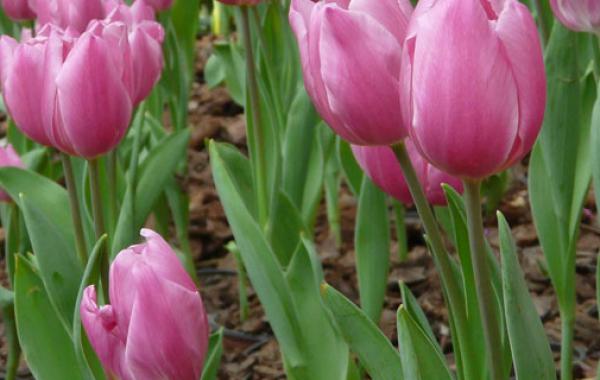
What Fertilizers Are There for Flowers? A Comprehensive Overview of Common Types
What fertilizers are there for flowers?
-

Comprehensive control methods for bacterial brown blotch disease in edible fungi
How much do you know about comprehensive control of bacterial brown blotch disease in edible fungi?
-

Onion Basics Introduction: A Comprehensive Guide to Onions
The onion, also known as bulb onion, round onion, jade onion, onion head, Dutch onion, piyazi, etc., is a biennial herbaceous plant of the Liliaceae family. It is widely used in the vegetable and health food industries, is one of the main cultivated vegetables in our country, and holds a very large share of the vegetable trading market.
-
A Comprehensive Analysis of Fertilizer Types and Characteristics
Scientific and rational fertilization requires an understanding of the types and characteristics of fertilizers. The fertilizers commonly used in various regions of China today mainly fall into two major categories: organic fertilizers and inorganic fertilizers. Organic fertilizers mainly include barnyard manure, human excrement and urine, livestock and poultry manure, compost, and green manure. Organic fertilizers contain a variety of nutrient elements,
-
Where is the origin of cacti? A comprehensive analysis of distribution factors
Most people are familiar with the cactus species, but know little about its place of origin. In fact, most plants in the cactus family are native to the Americas. In North America and South America, they are widely distributed from Canada to the Patagonia region of Argentina. They have gradually
-
Comprehensive Analysis of the Morphological Characteristics of Walnut Trees
I. Root System The portion of the walnut below the root crown is collectively called the root system, which is divided into the primary root, lateral roots and fibrous roots. The primary root is well developed, the lateral roots extend far horizontally, the fibrous roots are numerous and the root system is vigorous. Generally speaking, the root system of precocious walnuts is more developed than that of late-bearing walnuts, and this is especially evident in young trees.
-
A Comprehensive Overview of Common Rose Varieties and Their Features
When it comes to roses, many people are surely familiar with them and may even grow them. The rose is one of the more distinguished flowers, and growing them at home can not only decorate your environment but also make a great gift for a close friend. So which rose varieties are commonly seen in daily life?
-
What are the freshwater crab species? A comprehensive introduction to common types
The crabs people commonly eat are mainly sea crabs and freshwater crabs, but those who do not know much about crabs are not very familiar with the species of these two kinds of crabs and often confuse them. Do you know what freshwater crab species there are? Below is an introduction to the common freshwater crab species.
-
What Are the Common Varieties of Chinese Bayberry? A Comprehensive Guide
There are many varieties of Chinese bayberry. It is a famous specialty fruit tree of China and also an economic and ecological tree species in southern China. As we all know, Chinese bayberry is a seasonal fruit that relieves summer heat. The sweet-and-sour Chinese bayberry is not only unique in flavor and rich in juice, but also very high in nutritional value.
条件筛选