-
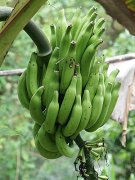
An introduction to the leaf, flower bunch and fruit characteristics of the rose banana (Musa spp.), a banana variety from Taiwan, China
Rose banana, a perennial herbaceous plant of the genus Musa in the family Musaceae, also known as rose mountain banana and queen banana, an agricultural cultivar, introduced in 1995 from the International Banana Germplasm Exchange Center in Belgium, a diploid banana, and one of the varieties in the plantain series. Rose banana, large herbaceous plant,
-
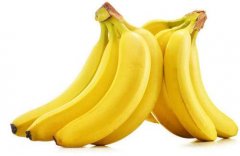
What kind of banana is the Luzon banana? What does the Taiwan variant that needs no peeling taste like
The peel of an ordinary banana is quite bitter, and it must be peeled to taste the flesh; a resident of Changhua County grew one commonly known as the mutant variety "Luzon banana," and the "Luzon banana" (a variant banana that needs no peeling) not only has fruit three times larger than an ordinary banana, but even more novel is that the "Lu
-
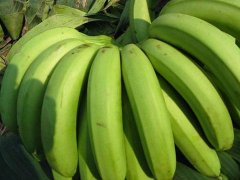
Origin and Variety Characteristics of the New Banana Variety Tai Jiao No. 6 Yufeng
Tai Jiao No. 6 is also known as Yufeng. Its parent is [Tai Jiao No. 2] (Cavendish B.F), and it belongs to the Cavendish banana group along with [Bei Jiao]. Its original code was TC2-425. In October of the 96th year of the Republic of China (2007), an application was made to name this high-yielding elite new variety, and after review it was approved and named [Tai Jiao No. 6], with the Chinese common name [
-
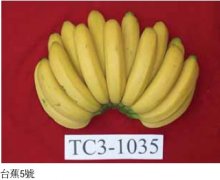
Differences Between the Banana Variety Tai Jiao No. 5 and Bei Jiao and a Comparison of Their Disease Resistance
"Tai Jiao No. 5" is commonly known as "Yushan" and belongs to the same line as "Bei Jiao"; it is a descendant in the great-grandchild generation of "Bei Jiao", selected from Tai Jiao No. 3, the 3rd generation of "Bei Jiao". In appearance, the grandparent and grandchild are extremely similar: newly planted plants are about 250-280 cm tall, with a pseudostem circumference of 69-72 cm, varying with the season, and each bunch of fruit weighs about 20-35 kg. Winter bananas (harvested from mid-January to mid-March) are lighter, while summer bananas (mid-June to late September) and some autumn bananas (after early October to mid-January) are heavier.
-
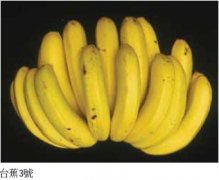
Characteristics, Advantages and Disadvantages of the New Banana Variety Tai Jiao No. 3 and Key Points for Its Cultivation and Management
"Tai Jiao No. 3" was a semi-dwarf variant discovered in the 80th year of the Republic of China by Mr. Chen Jin-shou, a banana farmer in Dashu Township, Kaohsiung County, in his banana plantation established from tissue-cultured plantlets of "Tai Jiao No. 1." After seven years of experimental research, the Taiwan Banana Research Institute proved that this variety combines semi-dwarf and yellow leaf disease tolerance
-
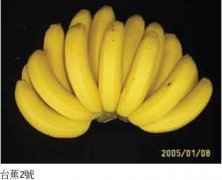
Introduction to the Growth Habits and Yellow Leaf Disease Resistance of the Taiwan Banana Variety Tai Chiao No. 2
The banana cultivars currently grown in this province are mainly the North Banana and Hsien Jen Banana of the Cavendish group, both of which are medium to tall types, making management and harvesting difficult. They also frequently suffer losses from wind damage. The Barbados Dwarf Banana is a short, sturdy plant that offers advantages such as reducing wind damage losses, lowering labor requirements, and improving banana plantation management efficiency.
-
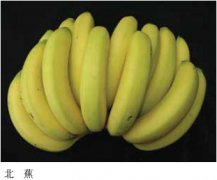
A roundup of common banana varieties: What are the differences between Beijiao, Xianrenjiao, and Baodaojiao in fruit characteristics?
Do you like eating bananas? Then do you know which banana varieties are commonly sold in the market? Would you like to learn about them? Let's take a look at the introduction of the three banana varieties below! Beijiao Alias: None Origin: Introduced from South China during the Qing Dynasty Qianlong period (1736-1795), belonging to the [Cavendish banana group], currently the most important cultivated variety of banana in Taiwan, China.
-
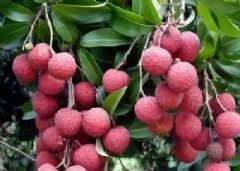
What are the characteristics of Jili lychee, the largest new lychee variety in Taiwan, China
After ten years of research and development by the Agricultural Research Institute and four years of trial planting by Taiping fruit farmers, the new lychee variety Jili (Tai Nong No. 4) officially held a launch event on the morning of the 4th. Its huge fruit is three times the size of ordinary lychee, with excellent taste, and its production period is staggered from that of Heiye lychee, making it a new asset for both export and domestic markets.
-
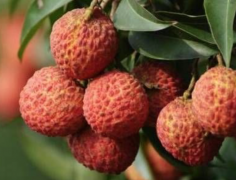
Red Hydrangea Lychee: Seedling Sources, Variety Characteristics and Key Cultivation Techniques
Red Hydrangea Lychee, this lychee comes from Dalang Town, Dongguan City. Its peel color is very red, and the fruit shape is very round, so it is called Red Hydrangea Lychee. So what characteristics does this coffee variety have? Characteristics: late maturing, medium tree vigor, branches slightly weak, fruit short heart-shaped, fruit shoulders raised, fruit stalk relatively thick, fruit apex rounded, flesh yellow-waxy in color, juicy, with a honey flavor, thick peel, bright color, few cracked fruits, high rate of aborted seeds, spherical fruiting. High and stable yield, high edible rate. 100 milliliters of juice contains vitamin C 26.0-30.0 mg, titratable acid 0.15-0.20 g, glucose 12.5 g, sucrose 5.15 g, soluble solids 18.1-21.5%.
-
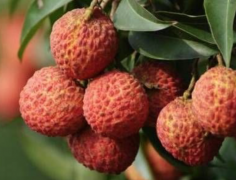
What are the characteristics and planting key points of the new lychee variety Feicui lychee
What are the characteristics of Feicui lychee? Feicui lychee flowers easily, with a moderate amount of flowers, high and stable yield, and the fruit matures in mid-to-late June. In terms of appearance, the fruit of this variety is medium-sized, heart-shaped, with red skin tinged with yellow, flat shoulders, a rounded top, crisp and refreshing flesh that is waxy white
条件筛选