Red Hydrangea Lychee: Seedling Sources, Variety Characteristics and Key Cultivation Techniques
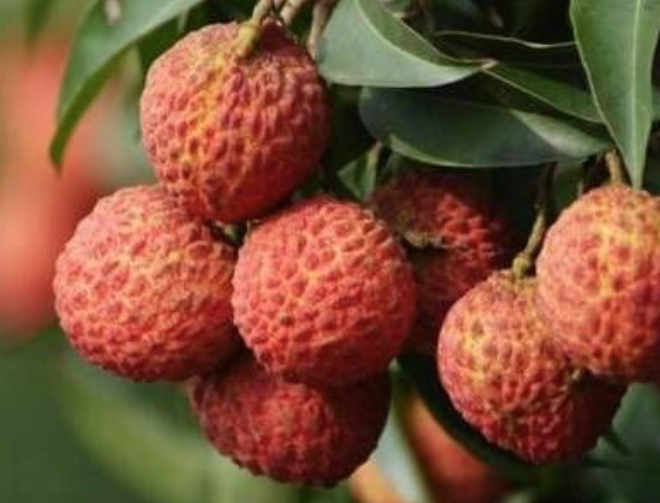
Red Hydrangea Lychee, this lychee comes from Dalang Town, Dongguan City. Its peel color is very red, and the fruit shape is very round, so it is called Red Hydrangea Lychee. So what characteristics does this coffee variety have? Characteristics: late maturing, medium tree vigor, branches slightly weak, fruit short heart-shaped, fruit shoulders raised, fruit stalk relatively thick, fruit apex rounded, flesh yellow-waxy in color, juicy, with a honey flavor, thick peel, bright color, few cracked fruits, high rate of aborted seeds, spherical fruiting. High and stable yield, high edible rate. 100 milliliters of juice contains vitamin C 26.0-30.0 mg, titratable acid 0.15-0.20 g, glucose 12.5 g, sucrose 5.15 g, soluble solids 18.1-21.5%.
Red Hydrangea Lychee, this lychee comes from Dalang Town, Dongguan City. Its peel color is very red, and the fruit shape is very round, so it is called Red Hydrangea Lychee. So what characteristics does this coffee variety have?
Characteristics: late maturing, medium tree vigor, branches slightly weak, fruit short heart-shaped, fruit shoulders raised, fruit stalk relatively thick, fruit apex rounded, flesh yellow-waxy in color, juicy, with a honey flavor, thick peel, bright color, few cracked fruits, high rate of aborted seeds, spherical fruiting. High and stable yield, high edible rate. 100 milliliters of juice contains vitamin C 26.0-30.0 mg, titratable acid 0.15-0.20 g, glucose 12.5 g, sucrose 5.15 g, soluble solids 18.1-21.5%.
Key cultivation techniques: (1) Cultivate timely, robust autumn shoot fruiting mother branches; young fruiting trees produce 2-3 rounds of autumn shoots after harvest, adult fruiting trees produce 1-2 rounds of autumn shoots after harvest;
(2) Control winter shoots and promote flowering; use “shoot control to benefit flowering” on autumn shoot fruiting mother branches or “lychee special flowering promoter” to control winter shoots, promote flower bud differentiation, and combine with measures such as girdling or spiral girdling or root cutting;
(3) Release bees for pollination during the flowering period or use artificial supplementary pollination;
(4) Strengthen flowers and protect fruits; apply soil fertilizer during the fruiting period combined with foliar topdressing, and at the same time carry out fruit protection measures such as girdling or spiral girdling or root cutting according to tree vigor;
(5) Integrated pest and disease control.
Current promotion areas and area: after this variety passed variety approval, the current promotion and application area exceeds 50000 mu and various excellent genetic traits are stable.
Suitable promotion areas: the areas relatively suitable for planting are regions with higher latitude (lower temperature), such as the central region of Guangdong Province and the more northern areas.