-
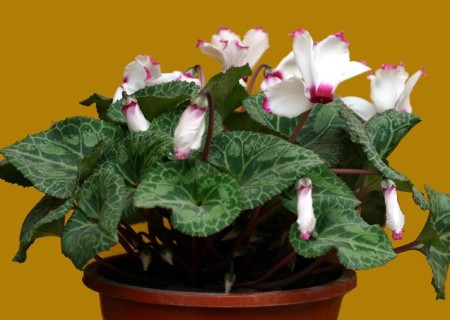
How do you propagate gloxinia using tubers? The method is actually very simple
The joy of growing gloxinia lies not only in admiring its dazzling flowers and cute leaves, but also in the considerable sense of achievement gained from propagating it yourself. Unlike most plants, which are grown either from seed or from cuttings, gloxinia has a truly varied range of propagation methods: it can be grown from seed, from stem cuttings, and from leaf cuttings
-
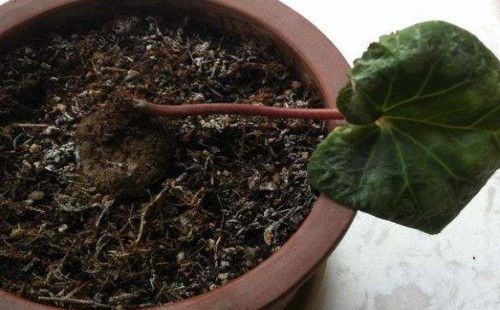
How to plant Cyclamen tubers? Detailed planting method
Cyclamen has the characteristics of peculiar flower shape, brilliant flower colors, and long flowering period, and is one of the famous Spring Festival pot flowers in China. If a pot of Cyclamen is placed indoors as the New Spring Festival arrives, it will surely fill the room with spring, and it is also an excellent gift for good friends. But during pot cultivation of Cyclamen
-
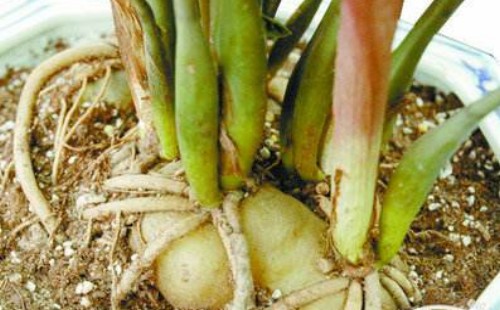
How to propagate Zamioculcas zamiifolia (ZZ plant) tubers? A few practical methods to teach you
The ZZ plant not only grows neat stems and leaves, but its leaves are also glossy and plump, and it stays evergreen all year round, so whether for greening and beautifying the environment or as a potted ornamental, its effect is often very good. In fact, the ZZ plant is also a plant that grows underground tubers and has the characteristics of fleshy roots
-
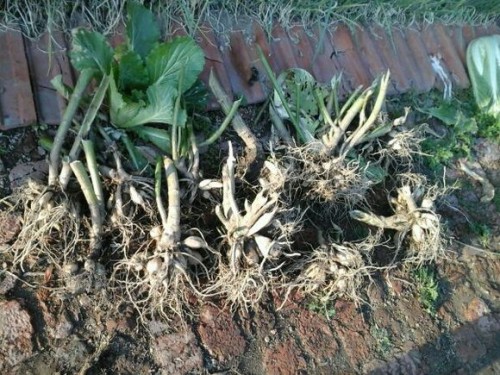
How to Plant Dahlia Tubers? A Detailed Guide to the Planting Method
Dahlia, also known as dahlia pinnata, dahlia coccinea, sweet potato flower, Dali flower, passionflower and foreign chrysanthemum, is a perennial herbaceous plant of the Asteraceae family. Chrysanthemums bloom proudly in the frost, but the dahlia is different: it blooms successively through spring and summer, blooms again after the summer, and withers at the time of frost. Its flower shape resembles that of the majestic peony, and its colors are gorgeous and varied
-
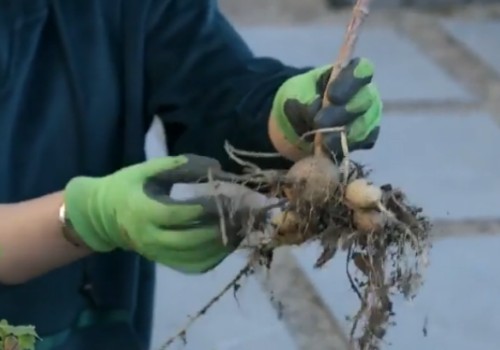
How to Plant Dahlia Tubers? Detailed Planting Methods and Steps
Dahlias not only have large, brilliantly colored flowers, but also come in a very rich range of colors, with lush foliage and a relatively tall plant form. If you want to grow them in pots, generally choose dwarf varieties; they also develop underground tubers, commonly called tubers. Therefore, we can usually grow them in pots using tubers. So
-

How to plant and care for anemone tubers? Different varieties grow from different parts
Anemone plants have low-clumping foliage and colorful flowers. Commonly known as windflowers, these carefree plants are often found dotting the landscape of many home gardens. There are several types of anemones, including spring-blooming and fall-blooming varieties
-
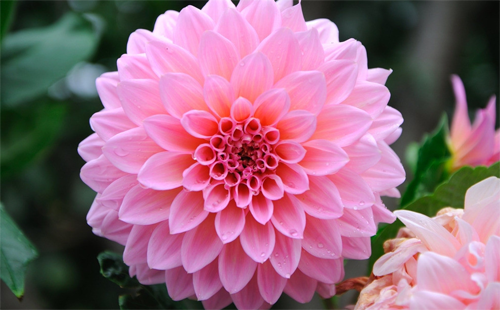
What are the methods for propagating dahlia tubers?
Methods for propagating dahlia tubers. Dahlias have tall, stately form, varied flower shapes, brilliant colors and elegant bearing, making them important bulb flowers for bedding displays, flower borders, courtyards and containers, as well as excellent material for cut flowers. Double-flowered dahlias with high ornamental value are very difficult to obtain seed from
-

Rot of Pinellia ternata tubers in the late growth stage: growers need to pay attention to prevention and control
Causes of the disease: When Pinellia ternata grows to August-October, that is, when the rainy season arrives, the second-, third- and fourth-generation bulbils formed by Pinellia ternata planted in early spring and the first- and second-generation bulbils formed by Pinellia ternata cultivated in summer rapidly expand and form tubers, and the small mother corms used as seed during cultivation are also expanding themselves. This period is the stage of fastest tuber growth in Pinellia ternata, and also the period when the tubers have the weakest ability to resist external infection. The larger the tuber, the weaker its resistance; the smaller the tuber and the bulbils, the stronger their defensive ability. Underground Pinellia ternata of various specifications
-
Will potato tubers continue to enlarge?
The tuberization stage is the period when tubers form and rapidly expand. Water consumption during the peak tuberization stage accounts for more than half of the total water requirement of the whole growth period. Soil moisture content should be maintained at about 70% of field capacity, that is, when picked up it forms a ball, and when dropped from a height of one meter it breaks apart; this is ideal. In the late tuberization stage, that is, one week to 10 days before harvest, irrigation should be stopped to facilitate harvest.
-
Potato tubers infected with Phytophthora cause cellar rot
Symptoms: Slightly sunken dark or purple lesions appear in patches on the surface of the tubers, extending less than 1cm into the tuber. White mold is generally not easy to see, but when humidity in the cellar is high, white mold grows on the diseased area, which is the pathogen's sporangiophores and sporangia. This causes cellar rot. For the pathogen, transmission routes and disease conditions, see Potato Diseases - Potato Late Blight. For control methods, see Potato Dry Rot.
条件筛选