How to Plant Dahlia Tubers? A Detailed Guide to the Planting Method
Dahlia, also known as dahlia pinnata, dahlia coccinea, sweet potato flower, Dali flower, passionflower and foreign chrysanthemum, is a perennial herbaceous plant of the Asteraceae family. Chrysanthemums bloom proudly in the frost, but the dahlia is different: it blooms successively through spring and summer, blooms again after the summer, and withers at the time of frost. Its flower shape resembles that of the majestic peony, and its colors are gorgeous and varied, making it a favorite.
The dahlia is the national flower of Mexico, the provincial flower of Jilin Province, and the city flower of Zhangjiakou City, Hebei Province. The gorgeous and graceful dahlia symbolizes generosity, magnificence, and great good fortune. Its footprint has spread to countries around the world, making it a regular guest in gardens and a world-famous ornamental flower.
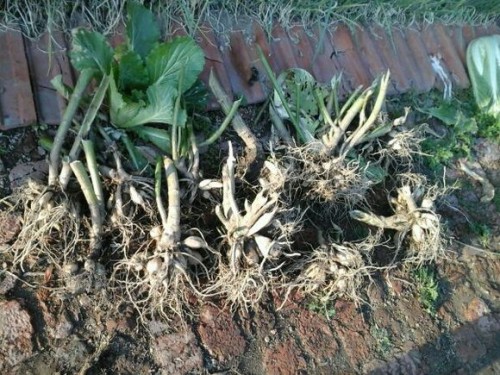
The dahlia's tuberous roots look like sweet potatoes, but their sprouting form is different from that of sweet potatoes: they only sprout from the place connected to the previous year's crown, and the sweet-potato-like tuber body itself will not sprout. If it is a single piece, you can plant it directly; if there are several pieces, do not rush to divide them. First bury them in moist soil to force sprouting, and once the sprouts emerge, divide them according to the sprouts' condition. Plant them at a soil depth of 3-5 cm above the sprouts, and they will bloom that same year. Of course, pot cultivation is not as good as ground cultivation.
Planting dahlia tubers requires preparing planting holes 5-6 inches deep. If you plan to stake the dahlias for support, then now is the time to do it, otherwise staking later will damage the tubers. Firmly set a wooden stake beside the tuber planting hole, with the stake standing 4-5 feet above the ground.
Some people find that using tomato cages can support dahlias very well, but tomato cages contain wire prongs, so you must place the tomato cage when you can see the tubers to avoid damaging them. Tomato cages are usually only suitable for small plants. Place the planting hole on one or both sides of the stake or tomato cage, and lay the tuber flat in the long hole beside the stake, with the new shoots facing up.
If the tuber has already grown new shoots 1 inch or longer, place it carefully and do not damage the fragile new shoots. In any case, if this does happen, it is also easy to handle. Do not be disappointed; the base of the damaged new shoot will have many new shoot points, which will continue to grow, but the plant's growth will be relatively delayed for some time. Do not put chemical fertilizer into the planting hole, as it will damage the new roots.
Cover the tuber with 4-5 inches of soil. Some gardening growers find that providing some support to the dahlia stems helps the plants grow, but in areas with strong winds this measure is still not enough. Hang a label on the pole so you know which variety of plant is growing.