-

How should Gastrodia elata tubers be selected for use as seed?
Gastrodia elata tubers that are undamaged, free of pests and diseases, and not deformed are best for cultivation as seed. However, when seed is in short supply, tubers with minor damage can also be used for cultivation as seed after treatment. The treatment method is: first cut away the damaged part with a knife or bamboo strip, sun-dry the cut surface until it no longer exudes sap, and then plant it; generally it will grow as normal. When large white Gastrodia tubers are cultivated as seed, after 1 year they can become 1 large arrow tuber. When arrow tubers are cultivated as seed for asexual propagation, the "parrot beak"-like mixed bud at the top of the arrow tuber must be broken off, so that the arrow tuber will not produce an arrow (no longer bolt)
-
Identification and Prevention of Physiological Disorders in Atlantic Potato Tubers
The Atlantic potato is a high-quality raw material for processing snack foods such as potato chips and French fries. Its growth period is relatively short, and it has strict requirements for the cultivation environment: it needs cool conditions but is not tolerant of low temperatures. During cultivation, freeze protection and fertilizer and water management should be done well to avoid physiological disorders such as black heart, hollow heart, starch leakage, cracking, and deformities, and to improve tuber quality and marketable yield. I. Tuber black heart 1. Symptoms: Irregular patterns ranging from black to blue appear in the center of the tuber. When oxygen deficiency is severe, the entire tuber may turn black. Usu
-
How to best select Gastrodia elata tubers for use as seed
Gastrodia elata tubers that are undamaged, free of pests and diseases, and free of deformities are best for cultivation as seed. However, when seed is in short supply, tubers with minor damage can also be treated and used for cultivation as seed. The treatment method is: first cut away the damaged part with a knife or bamboo slice, sun-dry the cut surface until it no longer bleeds sap, then plant, and generally they will grow as normal. When large white Gastrodia tubers are cultivated as seed, after 1 year they can become 1 large arrow Gastrodia tuber. When arrow Gastrodia tubers are cultivated as seed for asexual propagation, the mixed bud at the tip of the arrow tuber that looks like a "parrot's beak" must be pinched off, so that the arrow tuber will not produce an arrow (no longer send up a stem), which is called "extinguishing the arrow." After
-
How to select and store sweet potato seed tubers? These methods you need to master
1. Timely harvest: If sweet potatoes are harvested too early, the yield is lower; if harvested too late, they are prone to frost damage, which affects storage. Therefore, it is generally best to begin harvesting when the temperature is around 18°C, and finish harvesting when the temperature is above 10°C (that is, before the frost-kill period). 2. Carefully select tubers: When harvesting and selecting good sweet potato varieties, you must dig and cut carefully to avoid wounds. In order to produce more sprouts, strong sprouts and lower costs, tubers weighing 150-200 g should be selected as seed. The selected tubers must be disease-free, free from flood damage, and also have the typical characteristics of the variety. At harvest,
-
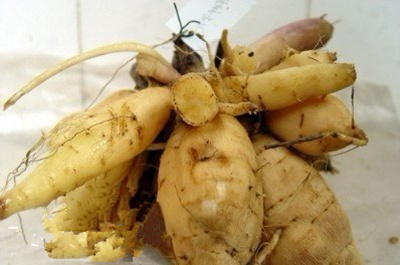
How to Harvest and Store Dahlia Tubers
Dahlias are not cold-hardy, mainly because the tubers cannot freeze. Dahlia tubers begin dormancy at 0.5°C and suffer freeze damage below 0°C, so they cannot overwinter outdoors in North China, and tubers should be harvested everywhere before the first early frost arrives. After a frost, the plants and leaves wither and die. At this point
-
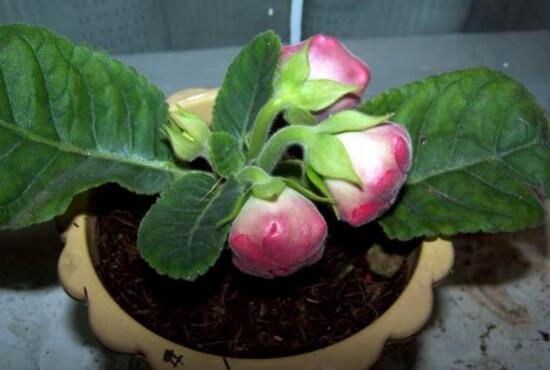
Why do Gloxinia tubers rot? Dig up the tuber, cut away the rotten part and replant
As a common indoor flowering plant, Gloxinia (Sinningia speciosa) should be familiar to flower lovers. Its leaves are large and emerald green, and its flowers are beautiful and multi-colored, making it highly ornamental when grown indoors. But during the growing process, many flower lovers encounter the phenomenon of the tuber rotting. So why do Gloxinia tubers rot? What should you do when a Gloxinia tuber rots?
-
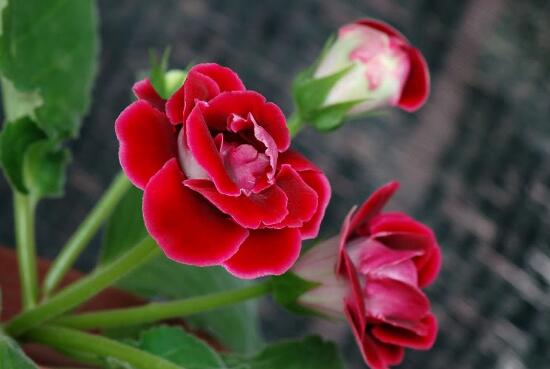
How to care for gloxinia in winter? Dig out the tubers and plant them again in spring
Keeping a pot of gloxinia at home is what many people do nowadays, but when winter comes, once the temperature drops below 5°C, the plant enters dormancy, and care at this time requires special attention, otherwise it is very easy to run into all kinds of problems with the plant. So how does gloxinia get through the winter? How to care for gloxinia in winter
-
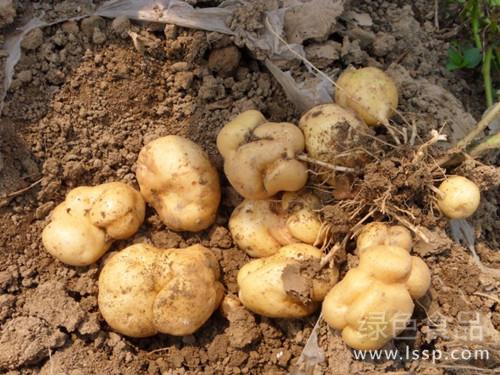
Deformed tubers affect marketability: how to reduce the rate of deformed potatoes
Deformed tubers affect marketability: how to reduce the rate of deformed potatoes
-
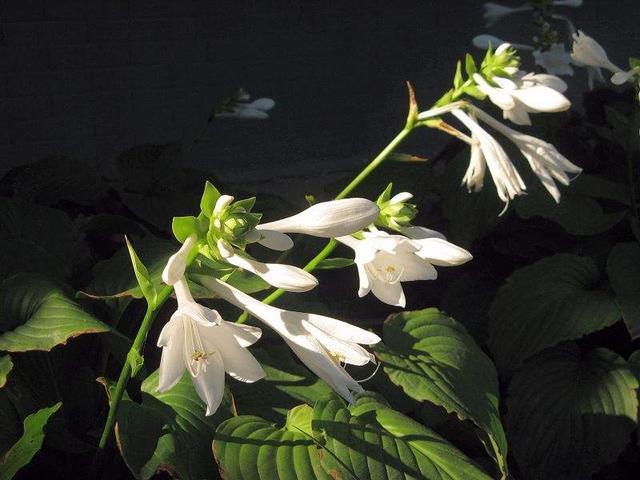
Plant hostas like this: bury the tubers in a flower pot, and two months later they bloom with bell-like flowers
Many flowers and plants love basking in the sunshine, but I wonder if you have ever noticed some plants and flowers that like to grow in dark corners. They do not need plenty of sunlight and prefer to hide quietly in shady corners, needing only non...
-
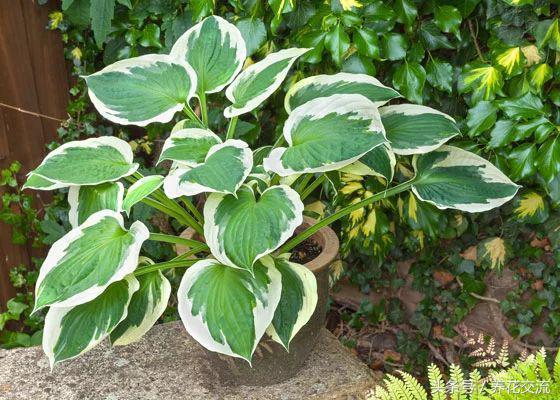
Hosta tubers sprout seedlings in a flower pot and produce charming flowers in less than two months
I really like growing some shade-tolerant plants under the small grove in the backyard. The sunlight in the backyard is not very plentiful, so I need to grow some plants that do not need too much light, and my favorite is the hosta. It has very low light requirements, and with a...
条件筛选