-
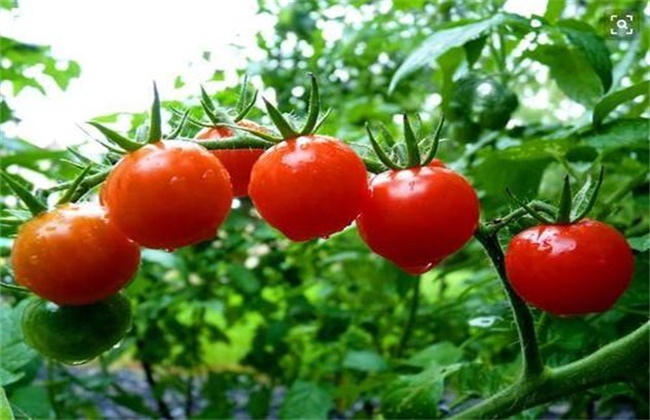
A detailed guide to tomato planting and management steps, mastering the whole process in one article
Tomato planting and management steps
-
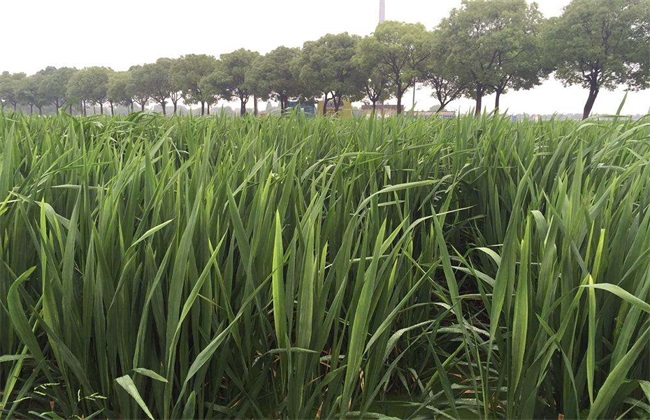
How Does Water Bamboo Grow? A Complete Guide to Its Growth Process
The Growth Process of Water Bamboo
-
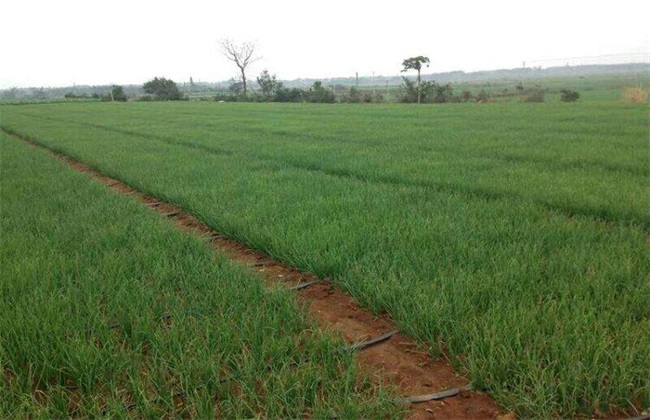
Detailed Guide to Shallot Cultivation Techniques: The Whole Process from Sowing to Field Management
Shallot Cultivation Techniques
-

Detailed Guide to Cilantro Growing Techniques: The Full Process from Sowing to Harvest
Cilantro Growing Techniques
-
Harvesting, Storage, Fresh-keeping and Processing Methods of Taro
Taro is a perennial herbaceous hygrophytic plant of the Araceae family, native to China, India, the Malay Peninsula and other places. At present, in China it is mainly distributed in South China, Southwest China...
-

Central Asia Grain, Oil, Storage and Processing Industrial Park to Be Established in Lanzhou New Area
The Central Asia Grain, Oil, Storage and Processing Industrial Park project in Lanzhou New Area was officially signed recently. The project mainly revolves around imported grain from Kazakhstan, expanding the upstream and downstream industrial chains, and building...
-

Potato waste turned into treasure, can be processed into protein feed
Recently, researchers at Harbin Institute of Technology have made encouraging progress in research on using discarded potato waste to produce single-cell protein feed. The researchers not only screened out an excellent combination of bacterial strains for producing cell protein, but also designed and formulated a complete process route for producing single-cell protein feed from potato waste. The use of potato waste with juice for liquid fermentation to produce cell protein is the first proposal and application of its kind both domestically and internationally. China produces more than 70 million tons of potatoes annually, and more than 3.4 million tons of potato waste remain after starch processing.
-
Detailed Guide to Processing Technology for a Series of Potato Snack Foods
Potatoes have rich nutritional value. They contain protein, phosphorus, iron, inorganic salts, vitamins B1 and B2, and carotene, and their protein quality is relatively good, closest to animal protein, and easy for the human body to absorb. According to determination with an amino acid analyzer, potatoes contain 18 kinds of amino acids required by the human body and various trace elements. Potatoes can also supply the human body with a large amount of mucoprotein. Mucoprotein is a mixture of polysaccharides and proteins, can prevent fat deposition in the cardiovascular system, maintain the elasticity of arterial blood vessels, and prevent
-
Detailed explanation of potato crispy candy slice processing technology, master all steps and methods
1. Selecting potatoes and slicing: Choose fresh potatoes weighing 50-100g with no pests or diseases, wash the soil off the skin, then place them in a 20% alkaline solution and stir constantly with a wooden stick to peel them. After all the skin has come off, scoop them out, rinse once, and drain for later use. For slicing, cut into diamond-shaped or triangular thin slices 1-2mm thick as needed; after cutting, immediately soak them in clean water to prevent the starch on the surface from discoloring. 2. Boiling and drying: Scoop out the cut slices soaked in water and put them into boiling water to cook. When they are 80% cooked, immediately turn off the heat and dry them. In this step, you must master
-
Potato pulp waste turned into treasure, can be processed into protein feed
Recently, researchers at Harbin Institute of Technology have made encouraging progress in research on using discarded potato pulp to produce single-cell protein feed. The researchers not only screened out an excellent strain combination for producing cell protein, but also designed and formulated a complete process route for producing single-cell protein feed from potato pulp. Adding juice to the pulp and using liquid fermentation to produce cell protein is the first proposal and application of its kind both in China and abroad. China produces more than 70 million tons of potatoes annually, and starch processing leaves behind more than 3.4 million tons of potato pulp. The pulp is rich in fiber
条件筛选