A detailed guide to tomato planting and management steps, mastering the whole process in one article
After planting tomatoes, you can't just leave them unattended. The harvest from tomatoes that are regularly tended and the harvest from tomatoes that are barely tended are not on the same level at all. So what are the steps of management after planting? And how should each one be done? Let's take a look together below!
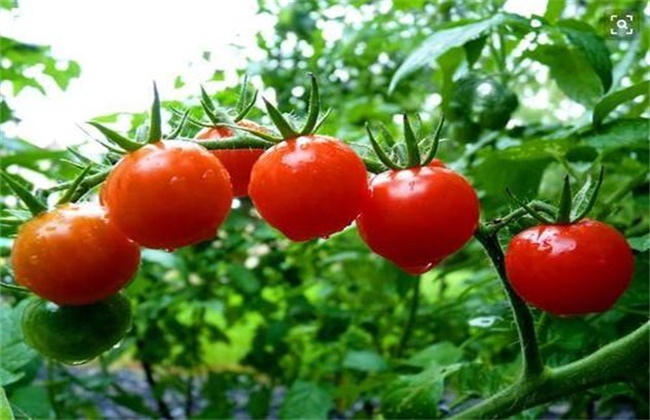
1. Seedling sorting
Naturally, it starts with seedling sorting, which includes all adjustments made to tomato seedlings during the seedling-raising and transplanting period. After seedling raising is complete, a batch of inferior seedlings needs to be culled first, and the rest are then transplanted. After transplanting is complete, another batch of unsatisfactory inferior seedlings is culled. After two rounds of culling, the remaining seedlings are basically decent. Once seedling culling is complete, preventive work on the environmental side needs to be done well, because these seedlings may suffer losses as a result.
2. Pruning
When tomatoes have passed the seedling stage and entered the growth stage, the main task at this time is branch control. The tomato plant itself is a plant whose branches and stems grow very easily, but these branches sometimes grow chaotically and affect normal growth. Branch control mainly involves adjusting the growth vigor of the tomato plant well, and then removing some useless roots so that nutrients can be supplied to the tomatoes in a more concentrated way. In this way, its fruits will be guaranteed nutrients to the greatest extent, and later growth will be better.
3. Fruit control
Tomatoes are very prone to growing many fruits, but this is not very useful, as not all fruits can develop and mature. A tomato plant like this may even have a lower harvest than one with fruit control. The fruit control stage mainly starts with adjusting the fruits growing on the tomato, keeping the number of fruits within the range the tomato plant can roughly bear. Other excess fruits are removed starting with the inferior ones, and a few backup fruits are reserved. This can basically ensure the greatest possible harvest of the tomato plant's fruits.
4. Harvesting and post-harvest care
The final step is harvesting and post-harvest care. Tomato harvesting easily leads to rough harvesting, because the joints on some tomatoes are quite firm and require force to pull off. During this process, many farmers accidentally damage the tomato plant, so extra attention should be paid to this when harvesting. After harvesting, the tomato plant needs care, and every aspect from nutrients to disinfection should be handled carefully to prepare for the next ripening.
The above are some management steps after tomato planting. In fact, these all follow the more important issues at each stage. Everyone should pay more attention to this. If you want higher returns, you always need to be more careful.