How Does Water Bamboo Grow? A Complete Guide to Its Growth Process
Water bamboo is a common aquatic vegetable in our daily lives, and the market demand for it in China is very large. As a result, more and more people are now growing water bamboo, but growing it is not as simple as it might seem. Before planting, we must first understand the growth process of water bamboo clearly, and then carry out management work according to that growth process. So what is the growth process of water bamboo like? Let's take a look together below!
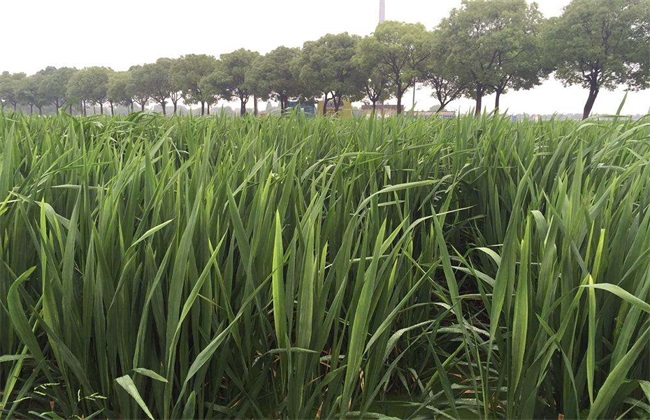
1. Germination Stage
Every spring, when the temperature gradually rises back to around 5°C, the above-ground parts and the dormant underground stems of overwintering water bamboo begin to grow. The germination stage of water bamboo lasts about 25 days. During this time, the nutrients for the growth of the tiller buds on the underground stems and the tiller buds on the above-ground stems mainly come from the stored nutrients of the mother plant. Therefore, after harvesting water bamboo in autumn, we should promptly strengthen management to increase the nutrient storage in the underground parts, which is very beneficial for the plant's germination the following spring. This period is the very first germination stage of water bamboo and is crucial to its yield and quality.
2. Tillering Stage
When new shoots of water bamboo begin to grow new leaves, more than half of the new shoots have reached normal plant height and show stability and individual-plant characteristics. In addition, two rounds of tillering will emerge from the base of each plant. The growth rate of the new plants is relatively slow in the early stage, but will speed up over time. This stage varies depending on the variety of water bamboo and the number of years it has been planted. If it is single-crop water bamboo, the time is about 5 months. If it is double-crop water bamboo, then in the year of harvest, the time needs to be increased by about 20 days, while for the second-year summer harvest, it is only about 70 days.
3. Rooting and Leaf Emergence Stage
After water bamboo germinates each spring, plants with a certain leaf age will begin to produce fibrous roots at the base of the tillers and ramets. Both the tiller shoots and the left and right nodes of the underground stems have the potential to produce roots. Leaves also begin to grow after germination. When the temperature reaches around 15°C, the rate of leaf emergence speeds up, generally reaching its peak one month before the swelling stage. Once the swelling stage begins, new leaves stop growing. For autumn water bamboo, the leaf age is about 25 leaves, while for summer water bamboo it is only about 10 leaves. As new leaves emerge and old leaves wither, the number of new leaves per plant is generally only about 6-7.
4. Swelling Stage
The swelling stage refers to the period from when the water bamboo plant stops growing taller and new leaves begin to shorten until harvest. During the swelling stage, the water bamboo plant generally forms about 20 nodes of fleshy stem. In the early part of the swelling stage, the pseudostem becomes flattened; after about four days, the pseudostem begins to expand, and then the clasping leaf sheaths are pushed apart, gradually exposing the water bamboo flesh. At this point, it has reached the suitable harvest period for water bamboo. If it is not harvested in time, it will gradually turn green and become tough. During the swelling stage, we should control the temperature according to the planting season. Slightly lower temperatures for autumn water bamboo will not affect swelling, but if the temperature for summer water bamboo exceeds 30°C, swelling will stop immediately. So everyone should pay close attention to this.
The above is a brief introduction to the growth process of water bamboo. That is all for today's introduction. This article is for reference only, and we hope it can help everyone!