-
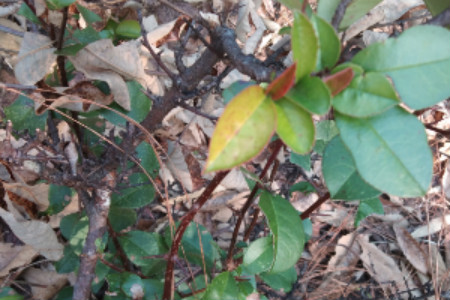
How to process freshly picked Rosa laevigata (Cherokee rose) fruit? A detailed processing method guide
How should freshly picked Rosa laevigata fruit be processed? Processing methods
-

A Detailed Guide to Lily Storage Methods and Processing Techniques
I. Storage. Freshly harvested lilies have a high moisture content and vigorous respiration; if not stored properly, they easily become moldy, which affects their medicinal efficacy and value. If lilies are stored in fine sand, they can be kept both fresh and of good quality. 1. Raw material preparation before storage: Freshly harvested lilies should be placed in a shaded area, avoiding direct sunlight, to prevent the outer scales from discoloring and losing water. After digging out the lily bulbs, soil, stems and fibrous roots should be removed promptly, then complete lily bulbs that are white in color, large, fresh and free of disease spots should be selected and stored by grade. 2. Key operating points of the sand storage method: ① In a cool room or basement
-
Detailed Explanation of Key Points on Lily Storage and Processing Techniques
I. Storage. Freshly harvested lilies have a high moisture content and vigorous respiration; if not stored properly, they are prone to mold, which affects their medicinal efficacy and value. If lilies are stored with fine sand, they can be kept both fresh and of good quality. 1. Raw material handling before storage: Freshly harvested lilies should be placed in a shaded area, avoiding direct sunlight, to prevent the outer scales from discoloring and losing water. After digging out the lily bulbs, soil, stems and fibrous roots should be removed promptly, then complete lily bulbs that are white in color, large, fresh and free of disease spots should be selected and stored by grade. 2. Key operating points of the sand storage method: (1) In a cool room or basement, build a pool or pit of appropriate size with bricks according to the quantity of lilies to be stored. (2) First evenly spread fine sand 6-8 cm thick on the bottom of the pool or pit, then arrange the fresh lily bulbs on the sand, then cover with sand 3-4 cm thick, then arrange another layer of lily bulbs on the sand layer, and repeat this stacking in turn, with a stacking thickness of about 1 m being suitable. The sand covering the lilies should be slightly dry, so as to avoid rooting and moldy rot of the lilies caused by excessive humidity. (3) Cover the surroundings and top of the lilies with soil (or sand, rice straw) 20-30 cm thick; note that it must not be too thin, otherwise the lily bulbs are likely to dehydrate and lose freshness. (4) The storage temperature within the pile should preferably be 6-11°C; during storage, inspections should be carried out frequently to prevent the lilies in the pile from heating up and becoming moldy and rotten. If heating occurs, they should be re-stacked and stored according to the above method.
-
Detailed Explanation of Lily Storage Methods and Processing Techniques
(1) Lily Storage Methods Lily is generally stored using the cellar (pit) sand storage method, or the basket (box) indoor storage method can also be used. The specific procedure is: 1. Harvesting. When the lily plant withers and the underground bulb matures, choose a sunny day for digging. The bulbs harvested at this time have high yield, good quality and are resistant to storage. Then cut off the aboveground part and the fibrous roots and seed roots. 2. Pre-cooling. Spread the bulbs evenly in a cool and ventilated indoor area to dissipate heat for 2D3 days. The pile height should preferably be 2D3 fruit bulbs high. The heat dissipation time should not be too long, to prevent the scales from discoloring. 3. Fruit selection. Select
-
There is a knack to processing dried lilies, and the three observations and three determinations are key
In our province, lilies are mainly sold as dried lilies to coastal areas, and in recent years they have consistently sold well. In particular, large, plump, and pure white high-quality dried lilies are in great demand and fetch high prices. Whether dried lilies are high quality or not, processing is a key step. Some farmers report that their fresh lilies are of good quality, but after processing into dried lilies they become second-grade products, or even inferior products, showing non-white color, thin dried slices, and incomplete slices, and the market price is greatly reduced. This is mainly caused by improper processing. In the lily production bases of Daping, Leijia'ao, Shawan, and other places in Niangxi Town, Xinshao County, lilies are planted year-round.
-
A Detailed Guide to the Processing Techniques and Uses of the Chinese Honey Locust
I. Harvesting and Processing: In autumn, cut off the thorns, slice and sun-dry them. For large Chinese honey locust pods, harvest the ripe fruit in autumn and sun-dry. II. Uses: Landscaping: The Chinese honey locust has a tall and unusual tree form, with a nearly round crown and dense branches and leaves. In May it blooms with pale greenish-white flowers; the fruit is colored in its early stage and ripens into black pods in autumn. As the autumn wind blows, the large black pods knock against each other, producing a cool and pleasant sensation. The wood of the Chinese honey locust is hard and can be used to make various kinds of furniture. The fruit can be used to wash clothing. Medical applications: The Chinese honey locust is pungent in taste and warm in nature; it invigorates the blood and reduces swelling, discharges pus and promotes lactation. Main
条件筛选