Detailed explanation of the growth process of mung beans from sowing to maturity
Mung beans are beans that sprout easily and quickly, so mung bean sprouts are also grown and sold on the market. When planting mung beans, sprouting is generally not done, because once the white sprout emerges after sprouting, the white sprout must face downward to take root easily, but when sowing on a large scale, it takes too much time and effort, and mung beans are generally not raised as seedlings either, they are all directly sown. Let's look at the specific growth process below.
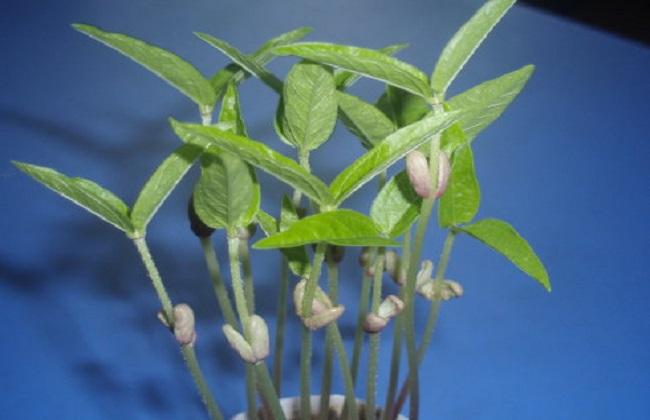
1. Seedling
After sowing, water and cover with a thin layer of soil to keep it moist. The seeds will absorb enough water in one or two days, then swell up. After that, the seed coat will crack, the white sprout will emerge, and budding will occur, then the stem will slowly grow out, then the cotyledons will slowly separate, roots will form, and true leaves will grow, while the cotyledons gradually fall off. Spray water to keep it moist. After the true leaves appear, apply a little diluted fertilizer water.
2. Rapid growth period
The plant will keep growing from the seedling stage onward. Legumes have nitrogen-fixing ability, so not too much fertilizer is needed, to avoid excessive vegetative growth. The plant growth period will be somewhat long, and it will continue until the plant has fully grown its branches and its root system has developed fully, and only then will it flower and form pods. During this period, just pay attention to high temperatures, drought, and irrigation, and avoid the plant losing water.
3. Pod-setting period
When a certain temperature is reached, but it has not become too hot, it will flower. When flowering, it is most afraid of high temperatures, rain, and waterlogging, which directly affect the flowering rate and pod setting. Some flowers may be directly affected and drop, and will no longer form pods. Pay attention to adjusting the sowing time and estimate where each year's growth period falls.
4. Maturity period
After the pods form, it still takes some time for the pods to mature. Wait for the pods to gradually change from green and not plump to black with plump seeds, which means they are mature and can be harvested. During this period, no fertilizer is needed, and water should be given sparingly, only watering during drought. But pay attention to preventing damage from pests and diseases. Seeds that are about to mature are exactly at the stage when they are most easily bored into and eaten.
5. Harvest period
Pull them up directly by the roots, then put them in the sun to dry. Dry the soil, then shake off the soil. The pods sometimes split open on their own. Dry them until they reach the degree of splitting open. Then you can lay down a mat and continue drying, beat the pods, and take out the seeds. Sieve to remove impurities such as pod shells. Dry the mung beans until they feel too hard to bite through with your teeth, and then they can be stored.
The growth of mung beans is also a process from germination to harvest, and during this period it is divided into several stages for management, or for paying attention to certain things. This is the entire growth process of mung beans.