-
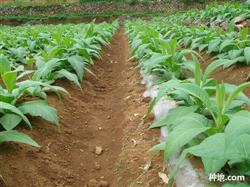
What is the correct method for using bio-organic fertilizer on tobacco?
How is bio-organic fertilizer used on tobacco? Tobacco is a crop valued for both yield and quality, and it has strict fertilizer requirements. The quality of fertilization techniques directly affects the growth and development of tobacco and the formation of yield and quality, thereby affecting the improvement of benefits. The life of tobacco is divided into the seedling stage, rosette stage, vigorous growth stage and maturity stage...
-
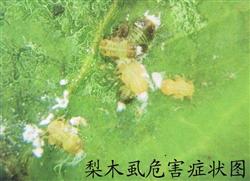
What are the control methods for the tobacco pear psyllid?
How to control the tobacco pear psyllid? The occurrence characteristics of the pear psyllid are many generations. The adult emergence period is long and generations overlap. Especially from late June to early July, the nymphs secrete a large amount of mucus, causing a large number of fallen leaves, which not only seriously affects tree vigor, but also reduces pear fruit quality, and it is difficult to control with general pesticides. Use tob...
-
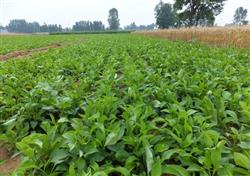
A Detailed Guide to the Cultivation Techniques and Growing Methods of the Chinese Medicinal Herb Atractylodes macrocephala
Cultivation Techniques 1. Raising Seedlings (1) Preparing the Seedbed One month before sowing Atractylodes macrocephala, turn the soil, cover it with a 30 cm thick layer of weeds, and burn the soil to disinfect it and prevent pests and diseases. Immediately after burning, turn the grass ash into the soil. If the soil is not to be burned, it can be turned in the previous winter so that the soil is fully weathered by freezing. The land...
-
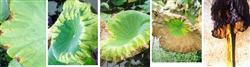
What are the control methods for lotus root rot?
How do you control rot when growing lotus root? Please give an introduction. Lotus root rot, commonly called stalk rot, mainly damages the underground stem, and the leaves and stalks can also be affected. Affected leaves form green wilt-colored patches along the leaf margins and curl downward, then the whole leaf turns brown, and the leaf stalk shrivels and dies from top to bottom. When it occurs severely, the whole field turns a withered yellow, caus...
-
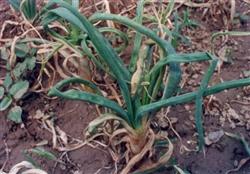
What are the control methods for onion viral disease?
How do you control onion viral disease? Please advise. The main onion diseases include yellow dwarf disease (viral disease), downy mildew, soft rot, gray mold and purple blotch. In recent years, onion viral disease has been a major disease in production. 1. Symptoms: it can occur during the seedling stage and the plant growth stage. After the plant is infected, the leaves become twisted, ...
-
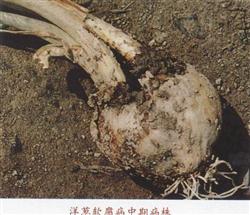
What are the control methods for onion soft rot?
How do you control onion soft rot? Please provide guidance. Onion soft rot can be controlled by referring to the following methods: 1. Early-stage control (1) Seedling preparation: choose disease-resistant varieties for raising seedlings in the nursery, eliminate diseased and weak seedlings, and cultivate healthy and strong seedlings. (2) Crop rotation selection: choose plots with good ventilation and light transmission, with relatively good previous crops such as corn and wheat; avoid continuous cropping, carrot stubble, and stubble of Liliaceae vegetables such as garlic, and try to avoid stubble such as autumn cabbage and potato that easily leaves soil-borne disease residues. (3) High-ridge planting: in areas where conditions permit, ridge planting is recommended, with onions transplanted on high beds, which can reduce waterlogging and lower the chance of pathogen infection. (4) Strengthen field management: timely cultivation and weeding, increase soil temperature, promote onion development, and help the onion population resist invasion and infection by soft rot pathogens.
-
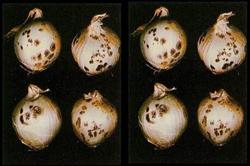
What are the control methods for onion anthracnose?
What control methods are there for onion anthracnose? Please introduce them. Onion anthracnose can be controlled by referring to the following methods: (1) Agricultural measures. In severely affected fields, rotate with non-allium crops and cultivate disease-resistant varieties. (2) Chemical control. Spray fungicides at the early stage of disease onset and before the rainy season. You can use 25% Shibaike emulsifiable concentrate at 1000 times dilution, or 50% prochloraz manganese salt (Shibaogong) wettable powder at 1500 times dilution...
-
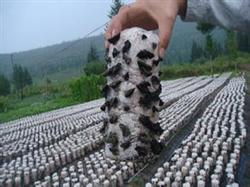
What are the leaf-bag cultivation methods for black fungus?
How to cultivate black fungus in leaf bags? Please advise. With the rapid development of bag-cultivated black fungus, traditional sawdust as a growing medium can no longer meet the demand in many places. The research group of the Edible and Medicinal Fungi Extension Center of the Science and Technology Association of Linkou County, Heilongjiang, succeeded in using leaves instead of sawdust to cultivate black fungus. This new technology...
-
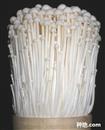
How to supplement nutrient solution for enoki mushrooms? A detailed guide to the method
How to cultivate white enoki mushrooms? Please advise. To cultivate white enoki mushrooms, you can refer to the following method: 1. Choose a suitable cultivation time. Most white enoki mushroom varieties are low-temperature types; the optimum temperature for mycelial growth is 18-20°C, and the optimum temperature for mushroom formation is 6-8°C. Accordingly, white enoki mushrooms are generally suitable for cultivation from October to the first ten days of March of the following year...
-
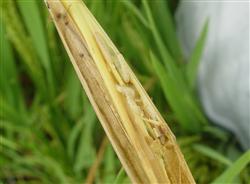
What are the control methods for the rice stem borer (Chilo suppressalis)?
How do you control the rice stem borer? Here are the control methods. The rice stem borer, also known as the stem maggot, can damage rice from the tillering stage to the milk-ripening stage, posing a threat to rice production and affecting both yield and quality. Doing a good job of controlling the rice stem borer is of great significance for promoting high rice yields and increasing farmers' income. The control methods are as follows:...
条件筛选