What is the correct method for using bio-organic fertilizer on tobacco?
How is bio-organic fertilizer used on tobacco? Tobacco is a crop valued for both yield and quality, and it has strict fertilizer requirements. The quality of fertilization techniques directly affects the growth and development of tobacco and the formation of yield and quality, thereby affecting the improvement of benefits. The life of tobacco is divided into the seedling stage, rosette stage, vigorous growth stage and maturity stage...
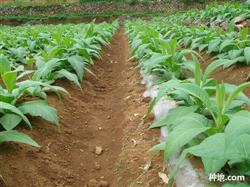
How is bio-organic fertilizer used on tobacco?
Tobacco is a crop valued for both yield and quality, and it has strict fertilizer requirements. The quality of fertilization techniques directly affects the growth and development of tobacco and the formation of yield and quality, thereby affecting the improvement of benefits. The life of tobacco is divided into four stages: the seedling stage, the rosette stage, the vigorous growth stage and the maturity stage. The seedling stage includes the seedbed period and the seedling recovery period after transplanting; during this period, the uptake of nitrogen, phosphorus and potassium nutrients is not large. After transplanting to the field and seedling recovery, the growth of stems, leaves and roots gradually accelerates, and up to the rosette stage vegetative growth still predominates, with the demand for fertilizer and water increasing significantly. From the rosette stage to budding, the tobacco plant enters a period of vigorous growth; this is the key period for leaf number, leaf area and leaf weight, and also an important stage that determines yield and quality. During the maturity stage, the tobacco's nutrient uptake decreases significantly; fertilization should be avoided to facilitate timely yellowing and the formation of high-quality tobacco.
During the seedbed period, generally only bio-organic fertilizer needs to be applied, at a rate of 2 kg per sq m, broadcast during land preparation. Field fertilization includes two methods: base fertilizer and topdressing. For base fertilizer, choose bio-organic fertilizer and apply it into the soil before transplanting, at a rate of 200 kg per mu, by hole application or furrow application. Tobacco prefers potassium fertilizer and nitrate nitrogen fertilizer and is sensitive to chloride ions; combining bio-organic fertilizer with a certain amount of ammonium nitrate and potassium sulfate or potassium nitrate is beneficial to tobacco growth and quality improvement. Tobacco topdressing is mainly a mixed application of quick-acting nitrogen fertilizer and bio-organic fertilizer, applied all at once during the rosette stage. For nitrogen fertilizer, generally use ammonium sulfate or urea, topdressing 5-10 kg of urea or 10-15 kg of ammonium sulfate per mu, together with 40-50 kg of bio-organic fertilizer; when fertilizing, mix the quick-acting nitrogen fertilizer and bio-organic fertilizer thoroughly, then apply by furrow or hole.
Click to get more tobacco cultivation techniques
Click to get more flower cultivation techniques