Cultivation Methods and Planting Techniques for Black Pine Landscaping
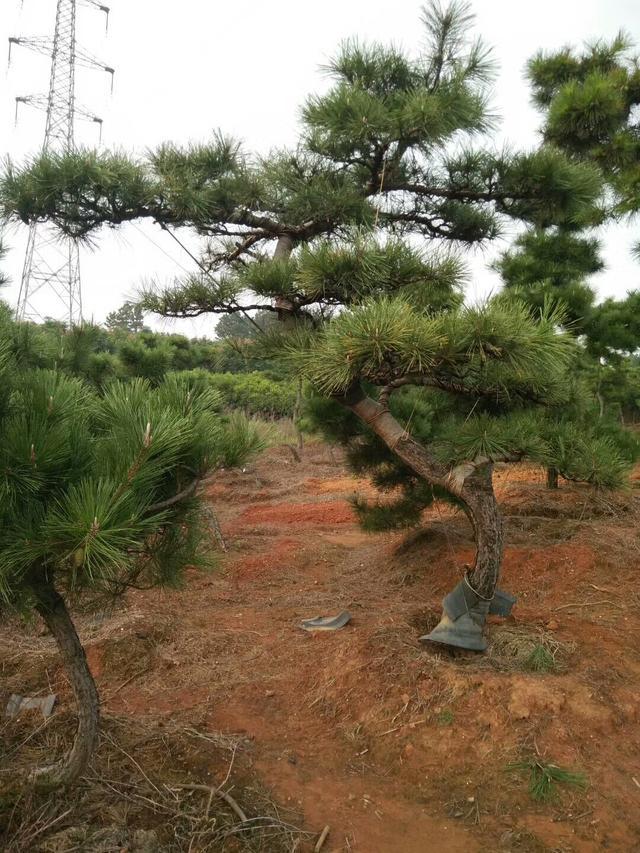
How are black pines cultivated for landscaping? Planting techniques for black pine landscaping
Black pines have vigorous vitality and stay green year-round. With greening developing rapidly today, black pine is the preferred tree species for roadside street greening, and black pines grow especially slowly, so they will not affect drivers' line of sight while driving. However, black pines mainly grow on mountains, and only after being planted and cultivated into shape can they be transplanted to roadsides, and the cultivation process is very slow. People today tend to seek quick success and instant benefits, which instead causes black pines to grow even more slowly.
1. Dig black pine seedlings from the mountains, together with the soil mixed with yellow sandy soil, and cultivate the black pine seedlings in flower pots;
2. Fertilize and water regularly. When watering, pour the water around the edge of the soil in the flower pot, and only 10-15 ml is needed;
3. Prune branches and trunks that have grown crooked;
4. Shape them as they grow;
During the growth stage, sprinkle a little anhydrous cobalt chloride crystal around the surface rhizomes in the soil of the said flower pot, then sprinkle gypsum powder on the soil surface to form a thin layer. This planting method can effectively help black pine seedlings grow smoothly. Cobalt chloride serves as an indicator of how much water the soil contains, used to remind the grower of the amount of water and the timing of watering. After watering 10 ml of water, wait 10-15 min for the water to fully spread. If the cobalt chloride has not yet changed color at this point, add another 2 ml of water, wait another 10-15 min, and continue observing. If the cobalt chloride turns light blue, then stop adding water; after cultivating for a period of time, when the cobalt chloride is gradually found to change from light blue back to its original color, water can be added again at this point. This way, water will not accumulate at the roots of the black pine, which helps the black pine seedlings grow. Thereby, the survival rate of black pine landscaping is improved and its growth is helped, obtaining beautiful black pine landscape trees.