-

High-temperature mushroom cultivation methods and techniques: teach you to grow good mushrooms
How to grow high-temperature mushrooms well? Please advise. High-temperature mushrooms are also known as large fat mushrooms, high-temperature button mushrooms, and double-ring mushrooms, which are taxonomically different from Agaricus bisporus. High-temperature mushrooms have the following characteristics: First, they have stronger adaptability than Agaricus bisporus and are more heat-tolerant; their mycelial growth temperature is 5°C higher than that of Agaricus bisporus, that is...
-
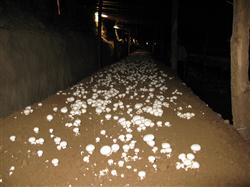
How to Grow Agaricus bisporus Well? A Full Analysis of the Key Cultivation Techniques
How to grow Agaricus bisporus well? An introduction to Agaricus bisporus, also known as the button mushroom or cultivated mushroom, the world's largest edible fungus by volume. Its nutritional value is extremely high, and it is currently developing very rapidly, growing at 15%-20% per year. Agaricus bisporus is a straw-decay fungus, a medium-to-low temperature mushroom; in northern regions, rice straw and wheat...
-
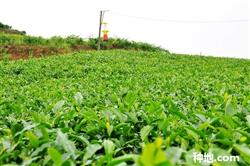
What are the key points of pollution-free tea cultivation techniques?
How is pollution-free tea cultivated? Please advise. People's demands for diversified, pollution-free and health-promoting tea are growing stronger. Pollution-free cultivation of tea can effectively control pesticide residues in tea, ensuring both tea exports and consumer health, while also improving producers' economic benefits. The pollution-free tea...
-
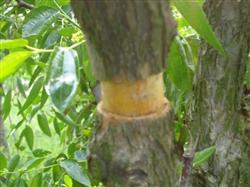
How to Preserve Flowers and Fruits on Jujube Trees? A Detailed Guide to Practical Management Techniques
How to preserve flowers and fruits on jujube trees? Please provide guidance on methods. Jujube trees generally have a high self-fruitfulness rate and do not need pollinator trees, but they suffer from severe flower and fruit drop and low yields, so management should be strengthened during the flowering and fruiting period. For detailed methods, refer to the following list: 1. Trunk girdling. At a distance of 10-20 cm from the ground on the trunk...
-
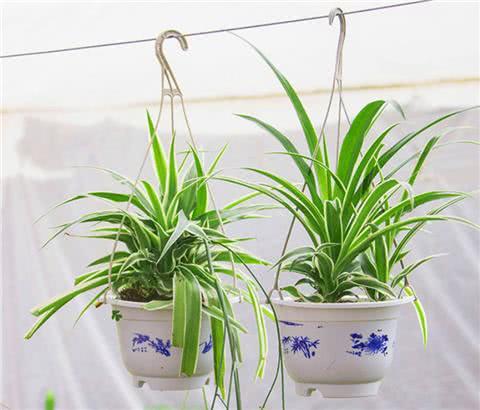
How do you grow a variegated spider plant so it bursts into a full pot? Master the techniques and it will grow into a waterfall
The variegated spider plant is a common household green plant, very suitable for keeping at home. It is extremely adaptable and ideal for placing in offices, living rooms, meeting rooms and public areas. If you want the plant to grow lushly, you need to master fertilizing, watering and lighting...
-
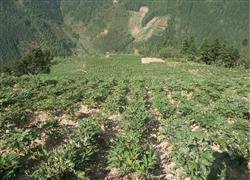
What are the key points of Angelica sinensis cultivation and management techniques?
How do you manage Angelica sinensis during cultivation? For detailed guidance on cultivating Angelica sinensis, you can refer to the following methods for management: 1. Thinning and final thinning of seedlings When the seedlings are 3 cm tall, carry out the first thinning, and after another half month carry out the second thinning. When the seedlings are 10 cm tall, carry out final thinning. For dibble seeding, keep 2-3 strong seedlings per hole. 2. Intertillage and weeding Angelica sinensis 1...
-
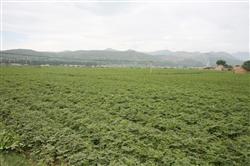
What are the key points of winter management techniques for Angelica sinensis?
How to manage Angelica sinensis in winter? Please give an introduction. For Angelica sinensis sown directly in winter, combine with topdressing before winter, cover the seedlings with manure or add about 1 cm of fine soil over the seedlings to protect them from frost damage; for Angelica sinensis raised in seedbeds and then transplanted, storage of seedlings should be done well in winter; for Angelica sinensis grown for seed, in order to improve seed yield and quality, before harvest it is necessary to...
-

How to grow Angelica sinensis well? A detailed explanation of the key cultivation techniques
How to grow Angelica sinensis well? Please explain the method. Angelica sinensis is propagated by raising seedlings from seed and then transplanting. In lower-altitude areas (1500-1800 m), there is also autumn direct sowing harvested the following year, or spring direct sowing harvested the same year, but the yield and quality are lower. The seedling bed should be chosen on a cool, moist shady slope or semi-shady slope, in hollows or small basins that retain water but do not become waterlogged, rather than on dry, wind-swept ridges...
-
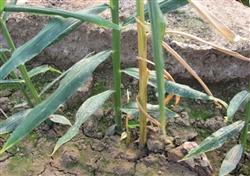
Ginger Cultivation Techniques: What Is Yellow Ginger Stem Base Rot?
What is yellow ginger stem base rot? Here is an introduction and control methods. Damage characteristics of yellow ginger stem base rot: Yellow ginger stem base rot is a fungal disease caused by Fusarium. The fungus survives saprophytically in the soil for long periods, spreads through water flow and cultivation, and invades through root and stem wounds or directly through cracks at branching points and openings at the stem base of aging seedlings...
-
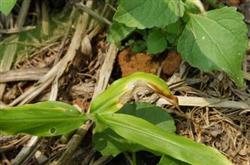
What is ginger bacterial wilt? A detailed guide to ginger cultivation techniques
What is ginger bacterial wilt? Please provide a detailed introduction. Ginger bacterial wilt is a bacterial disease caused by Pseudomonas solanacearum. Once this disease occurs in a ginger field, it causes reduced yields in mild cases and total crop loss in severe cases. In recent years, the disease has worsened year by year and has become an important factor restricting large-scale ginger production. Through several years of research and field...
条件筛选