-
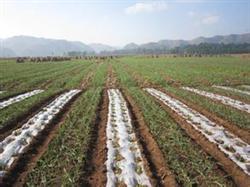
Key Technical Points for Green Prevention and Control of Garlic Pests and Diseases
Green prevention and control of crops means using agricultural control, physical control, biological control, precision pesticide application and other techniques during agricultural production to control pests and diseases, with the aim of reducing pesticide use, lowering pesticide residues in agricultural products, and comprehensively improving the quality and safety level of agricultural products. This year, the garlic planting area in our town...
-
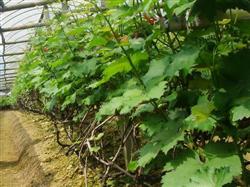
Grape Spring Management Technical Knowledge Guide
Spring is the season when grapes bud and unfold leaves, vines extend, and they send out clusters and bloom and bear fruit. Strengthening spring grape management can improve grape yield and quality. 1. From mid-to-late February to early March, the budding stage: irrigate to promote bud break and apply quick-acting nitrogen fertilizer. At this stage, orchards with the conditions should irrigate the whole orchard in a timely manner to ensure uniform budding...
-
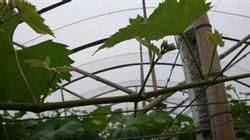
What are the key technical points for spring grape management?
Spring is the season when grapes bud and unfold leaves, canes extend, and clusters form and flowers set fruit. Strengthening spring grape management can improve grape yield and quality. From mid-to-late February to early March, during the budbreak stage, irrigate to promote budbreak and apply quick-acting nitrogen fertilizer. At this stage, orchards with the conditions should irrigate the whole orchard promptly to ensure uniform budbreak. And at this time...
-
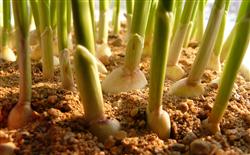
Key Technical Measures for Garlic Seedling Stage Management in Autumn
1. After emergence, cultivate in time. Once the seedlings are fully emerged, water once for emergence and cultivate to remove weeds. Before winter, depending on conditions, apply 1 round of compound fertilizer with watering, 150 kg per hectare. After watering, when the seedlings grow their second leaf, cultivate once to control growth and promote normal root development of the seedlings. 2. In soil sealing...
-
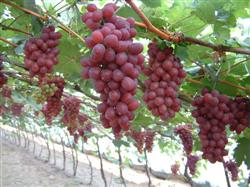
Key Technical Points for Light Regulation in Greenhouse Grape Cultivation
In greenhouse grape cultivation, because the light intensity inside the shed is often less than 70% of that outdoors, it has a significant adverse effect on grape growth and fruiting, often causing serious flower and fruit drop, poor fruit coloration, low sugar content, poor flower bud differentiation and other phenomena, greatly reducing grape yield and quality. Therefore, enhancing...
-
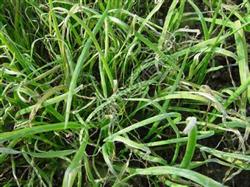
Control Methods and Technical Key Points for Gray Mold in Greenhouse Chinese Chives
When humidity inside a greenhouse for Chinese chives is high, gray mold is likely to occur. After the disease develops, pale grayish-brown to white spots gradually appear on the leaves from the tip downward, on both the upper and lower surfaces; after expanding, they become elliptical or spindle-shaped lesions and merge with each other into large dead patches. When air humidity is above 85% and the temperature is 15°C~20°C, warm and humid conditions favor the occurrence of this disease.
-
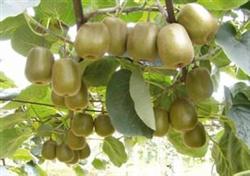
What are the key technical points for summer management of kiwifruit?
1. Preventing wilting. Kiwifruit leaves wilt during the high temperatures of summer, mainly for two reasons: first, high temperature and drought, mostly occurring between 12 noon and 4 pm on sunny days, recovering in the morning and evening, usually occurring over large areas. When this happens, irrigate promptly in the morning and evening, and the wilting will be relieved. Second, the root system suffers from root rot, root-knot nematode disease, etc., which damages root function and causes pathological wilting. It is most severe at noon and lasts a long time; in severe cases symptoms also appear in the morning and evening, and it tends to occur sporadically. Once discovered, dig down to check the roots. If it is indeed caused by pests or disease, appropriately prune branches and leaves, remove some or all of the fruit, and use agents such as Nongkang 120 and Junlimie for root drenching.
-
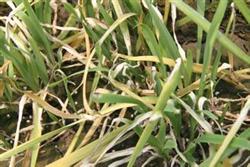
Control Methods and Technical Key Points for Chive Blight
Treat seeds with 25% metalaxyl at 0.3% of the seed weight. After disease onset, use 64% oxadixyl mancozeb at 600 times dilution, 69% dimethomorph mancozeb at 600 to 800 times dilution, 50% iprodione at 500 times dilution, and 77% copper hydroxide at 600 to 700 times dilution, applied alternately, once every 5 to 7 days, for 2 to 3 treatments.
-

Key Technical Points and Cultivation Management Methods for Brazilian Banana Planting
I. Selection of Banana Orchard Site A Brazilian banana orchard requires loose soil, a deep and fertile soil layer, a low groundwater table, easy irrigation and drainage, abundant sunlight and air, and convenient transportation. II. Land Preparation 1. Opening the Orchard and Preparing the Land At present, banana planting in our city mostly uses paddy fields, and paddy fields generally have a high groundwater table,...
-
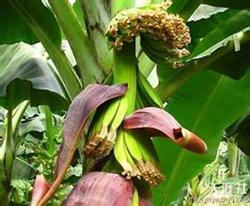
Detailed Explanation of Key Technical Points for Banana Production Mechanization
(1) Management of banana plants at flowering stage ① Bud adjustment: When the banana plant pushes out its flower bud, if any leaf or petiole is in the way of the bud emerging, it should be moved aside or cut away. If the bud happens to emerge right at the petiole and is blocked by the petiole so that it cannot gradually hang down, and if left as it is, the increasing weight of the bud will break the petiole, and the bud...
条件筛选