-
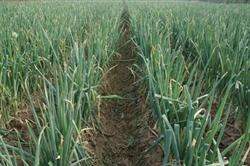
How to manage green onions in early summer? Detailed explanation of key technical points
Green onions prefer a cool and humid environment. The optimum temperature for growth is 15-25°C. Above 26°C, growth becomes thin and slow, and above 30°C they enter a semi-dormant state. The first stage generally runs from planting to the start of the dog days, a period when the temperature rises from 15°C to 25°C, which is relatively suitable for green onion growth. Therefore, after planting and recovering from transplanting, they quickly enter...
-
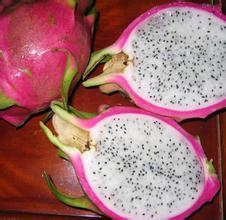
Detailed Explanation of Key Technical Points for Dragon Fruit Cultivation and Management
Depending on the specific variety, dragon fruit belongs to the Cactaceae family, either the genus Hylocereus (Hylocereus undatus) or the genus Selenicereus (Selenicereus megalanthus). It originated in Central and South America, including Costa Rica, Panama, Ecuador, Cuba, and Colombia, as well as Vietnam in Southeast Asia...
-
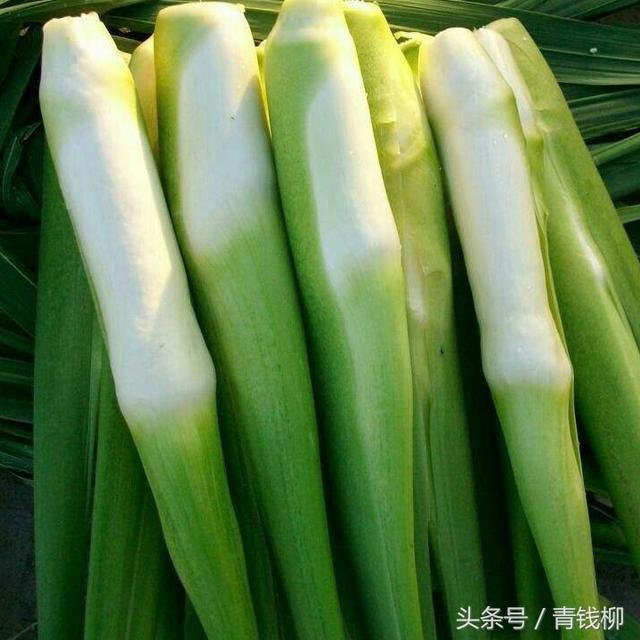
Detailed Explanation of Key Technical Points for Organic Vegetable Greenhouse Cultivation
Greenhouse Organic Vegetable Cultivation Techniques 1 Analysis of Influencing Factors in Greenhouse Vegetable Cultivation 1.1 Influence of Harmful Gases Greenhouse vegetables differ most fundamentally from ordinary vegetables in that they incorporate artificial management. Greenhouse vegetables remain in a sealed...
-
Autumn management of Welsh onions is timely, and key technical points must be mastered
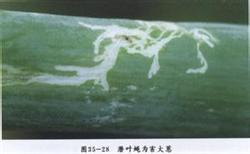
Affected plants show larvae boring into the heart leaves and leaf sheaths of the onion, feeding on the leaf mesophyll and epidermis, and forming grayish-white irregular winding mines. The larvae tunnel through the mines in various parts of the onion leaves, damaging the leaf veins, and in severe cases causing the aboveground part of the Welsh onion to dry up and die. Generally, in areas with severe leafminer damage, agricultural control requires...
-
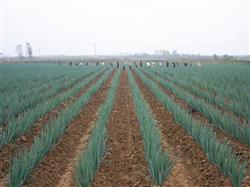
Welsh Onion Cultivation Technical Guide: Learn to Grow Welsh Onions in One Article
I. Seedling Raising: 1. Sowing Time: Depending on the different requirements for the product, sowing can be done in all four seasons. The best sowing period for high-yield Welsh onion cultivation is autumn sowing (when the average temperature over a ten-day period is stable at 16.5°C-17°C, which is exactly in early October). The climatic conditions across the north and south of the country differ, and sowing times also vary. The best time is determined...
-
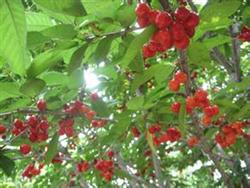
Key Technical Points for Early, High-Yield and Efficient Cultivation of Sweet Cherry
1. Selection of Orchard Site Based on the characteristics of sweet cherry, such as drought tolerance, poor waterlogging tolerance, poor cold tolerance, poor saline-alkali tolerance, and shallow root system, the sweet cherry orchard site should be selected in areas with deep soil layers, loose loam or sandy loam soil, low groundwater level, no water accumulation, good drainage and irrigation conditions, and not prone to wind damage. In areas with high groundwater level, overly heavy soil...
-
Key Technical Points for Topdressing Management in Onion Cultivation
I. Selecting Superior Varieties In production, purple-skinned varieties such as Ziyu No. 1, Ziyu No. 2, Zixing, and Shuanghuanhong can be selected. These varieties have the characteristics of strong pungency, high yield, excellent quality, and suitability for export. These varieties generally yield about 5,000 kg per mu, and high-yielding plots can reach 7,500 kg per mu. II...
-
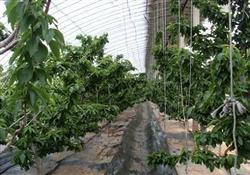
A Complete Analysis of the Key Technical Points of Cherry Cultivation
(1) Soil management. For soil management, a good foundation must first be laid before planting, and the soil must also be continuously improved after planting. 1. Expanding the planting hole and deep plowing. The method is to start from the edge of the planting hole and expand outward every year or every other year, digging a ring-shaped trench about 50 cm wide and 60 cm deep, until the deep plowing trenches between two trees connect. Deep plowing...
-
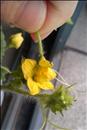
Key technical points for hand pollination of watermelon
(1) Flower-to-flower pollination method: Gently lift the female flower's stalk so that the stigma is exposed, then select a male flower that opened the same day, pick it together with its stalk, turn the petals outward to expose the stamens, and gently smear the pollen onto the stigma of the female flower at the fruit-setting node, so that the pollen is evenly scattered on the stigma. Generally, 1 male flower can pollinate 2...
-
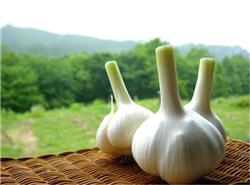
Key Technical Points for Spring Garlic Production Management
First, ensure adequate water supply. As garlic enters the critical water-demand period of bulb expansion, combined with rising temperatures and more frequent windy weather, garlic's demand for water increases. Garlic growers should pay full attention to water management in garlic fields and strive to give one general irrigation (watering) for bulb expansion, so as to meet the water demand for bulb expansion....
条件筛选