-
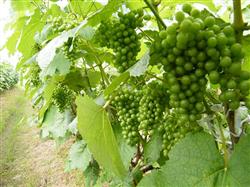
Methods and Technical Key Points for Summer Topdressing of Fruit Trees
How to do summer topdressing for fruit trees? Please introduce the methods. In mid-to-late June, the fruits of grape, pear and other fruit trees begin to swell and are in the first rapid expansion stage. Flower buds are in the physiological differentiation stage, their root systems grow rapidly and their absorption function is active, making nutrient deficiency likely. During this critical period, timely and appropriate topdressing can supplement the nutrients needed by the tree and promote...
-
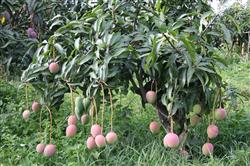
Methods and Technical Key Points for Applying Potassium Fertilizer in Orchards
How should potassium fertilizer be applied in orchards? What methods are there? Traditional orchard fertilization methods often focus only on applying nitrogen fertilizer while neglecting phosphorus and potassium fertilizers, especially potassium fertilizer. Potassium deficiency in orchards can affect flower bud differentiation, the tree's cold resistance and fruit coloring, and can also reduce yield and fruit quality. When potassium deficiency is severe, the leaf margins or entire leaves scorch, spreading from the middle and lower parts upward and downward. After the leaves dry up, they can remain hanging on the branches for a long time. The leaves that have not withered curl and shrink, flower buds are small, and fruit color is poor.
-
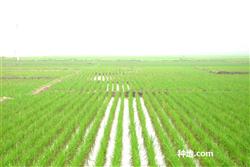
Methods and Key Technical Points for Scientific Potassium Fertilizer Application in Rice
How should potassium fertilizer be applied to rice? What method to use In rice production, scientific and rational application of potassium fertilizer plays an important role in cultivating strong seedlings, improving resistance to disease, insects and lodging, increasing the seed-setting rate, and achieving high and stable yields. According to monitoring, for every 500 kg of rice grain produced, about 15 kg of potassium chloride...
-
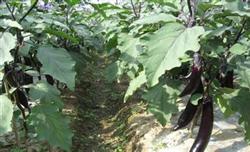
Technical Guidance on the Application of Commercial Organic Fertilizer for Solanaceous Fruit Vegetables
Solanaceous fruit vegetables include tomatoes, eggplants, peppers and other vegetables whose harvested fruit is the product; they are warm-loving, fertilizer-tolerant vegetables. According to the growth stage, methods such as broadcast application of base fertilizer, strip trench application of topdressing, hole application of transplanting fertilizer, and root dipping are generally used. The application rate of commercial organic fertilizer should be scientifically determined according to the needs of different vegetables and soil nut...
-
Rational application methods and technical key points for potassium fertilizer
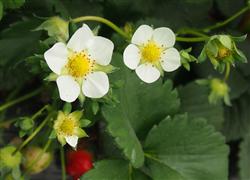
Strawberries bloom and bear fruit continuously, with many flowers and a large fruit load, and a long flowering and fruiting period, so they consume a lot of phosphorus and potassium fertilizer. Once phosphorus is deficient and potassium is low during the flowering and fruiting period, cold resistance will decrease, few flowers will form, flower buds will be weak, and flowering and fruiting will be affected. Not only will the fruit-setting rate be low and the fruit prone to deformities, but the coloring will also be poor, the sugar content will drop, and the taste will be bland, ...
-
Methods and Key Technical Points for Applying Phosphate Fertilizer in Orchards
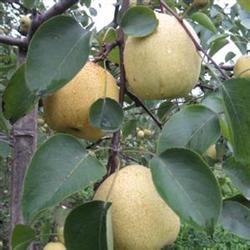
In spring and summer, the periods before and after flowering of fruit trees are stages prone to various diseases (physiological diseases and pathogen toxin diseases). At this stage, in addition to necessary chemical prevention, timely application of phosphorus and potassium fertilizers is also a good choice. However, many fruit growers tend to apply only nitrogen fertilizers (such as urea, high-nitrogen...
-
Scientific application methods and technical key points for potash fertilizer
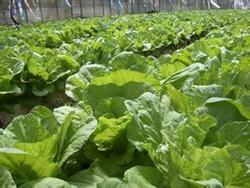
Potassium is one of the three essential fertilizer elements. Many vegetables often require more potassium than nitrogen and phosphorus; well-grown vegetables contain potassium at 2.5%-7% of their dry matter, higher than their nitrogen and phosphorus content. Most vegetables absorb more potassium than nitrogen; for example, the nitrogen-to-potassium ratio absorbed by cucumber is 1:(1.5-1.7), by pumpkin is 1:2.1, and by tomato is 1:...
-

Key Technical Points and Detailed Methods of Foliar Fertilization
Do not spray in extremely hot weather or before rain, so as to avoid burning the seedlings or losing fertilizer nutrients. The best time to spray is in the early morning or afternoon each day, and after spraying, wait 7-10 days before spraying again. When spraying on cereal crops or crops with smooth leaves, add 0.1% adhesive (such as laundry detergent or dish soap), etc. Otherwise, the effect...
-
Correct Methods and Technical Key Points for Foliar Fertilization of Vegetables
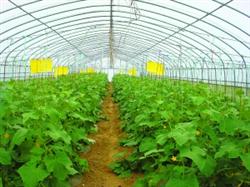
Spraying an aqueous solution of the nutrients plants need onto the leaves, so that plants directly absorb effective nutrients through their leaves, is a technique called foliar fertilization of vegetables. Compared with soil fertilization, this technique has the advantages of rapid conversion, high fertilizer use efficiency, and promotion of nutrient uptake by the root system. Foliar fertilizers can be broadly divided into macro...
-
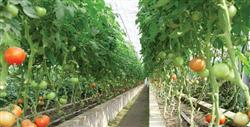
What are the key technical points for foliar spraying of micronutrient fertilizers on vegetables?
Micronutrient fertilizers are indispensable nutrient elements in the growth and development of vegetables. Diluting micronutrient fertilizers and applying them as foliar fertilizer costs little, takes effect quickly and gives high returns. The key technical points are: 1. Spraying concentration. Only a suitable concentration can achieve good results; in particular, the concentration must not be too high, otherwise it is not only useless but harmful....
条件筛选