Correct Methods and Technical Key Points for Foliar Fertilization of Vegetables
Spraying an aqueous solution of the nutrients plants need onto the leaves, so that plants directly absorb effective nutrients through their leaves, is a technique called foliar fertilization of vegetables. Compared with soil fertilization, this technique has the advantages of rapid conversion, high fertilizer use efficiency, and promotion of nutrient uptake by the root system. Foliar fertilizers can be broadly divided into macro...
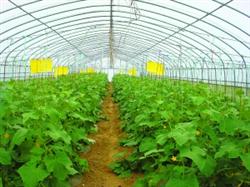
Spraying an aqueous solution of the nutrients plants need onto the leaves, so that plants directly absorb effective nutrients through their leaves, is a technique called foliar fertilization of vegetables. Compared with soil fertilization, this technique has the advantages of rapid conversion, high fertilizer use efficiency, and promotion of nutrient uptake by the root system. Foliar fertilizers can be broadly divided into macro-element fertilizers, micro-fertilizers, organic fertilizers, microbial fertilizers, or foliar fertilizers serving as photosynthesis promoters or pesticides, and so on. Those commonly used in production include urea, potassium sulfate, superphosphate, ammonium nitrate, photosynthetic micro-fertilizers... and many others.
The following points should be noted when applying foliar fertilizer:
1. It should be carried out on the basis of applying sufficient base fertilizer and timely topdressing;
2. According to the vegetable type, growth and development stage, growth vigor, and fertilization purpose, select the appropriate type of foliar fertilizer;
3. The concentration of the liquid fertilizer must be reasonable;
4. Choose evening or cloudy days for spraying;
5. Pay special attention to evenly spraying the vigorously growing leaves and the undersides of the leaves. For example, for greenhouse cucumbers, eggplants, peppers, celery, Chinese chives, and many other vegetables, the solid multi-element compound foliar fertilizer "Gaole", which has disease-preventing and disease-treating drugs added and is cheap, high-quality and clearly effective at increasing yield, can be selected for spraying; for greenhouse cucumbers at the fruiting stage, spraying a sugar-nitrogen solution of 0.2% urea plus 0.2% monopotassium phosphate plus 1% sucrose not only increases yield and resists disease, but also reduces the harm of downy mildew; applying photosynthetic micro-fertilizers and light absorption inhibitors, sprayed on tomatoes, cucumbers, peppers, kidney beans, celery, Chinese cabbage, cabbage, lettuce, cauliflower, etc., all give very good results.