-
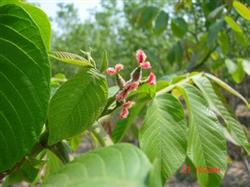
Control Methods and Technical Key Points for Hickory Flower Bud Midge
The hickory flower bud midge is the main pest damaging hickory flower buds. Because the insect body is tiny and concealed, its occurrence period is short, and the damage consequences are severe, once the effective control period is missed, hickory yield will be seriously affected. To effectively safeguard this year's hickory yield, scientific and technical personnel have proposed the following on how to carry out effective control: First, seize...
-
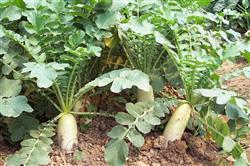
Key Technical Points for Spring Sowing and Cultivation Management of Carrots
The growing temperature range for radishes is 6 to 25°C. Among the winter-spring radish varieties currently in wider use are Korean New White Jade Spring, White Light Spring White Jade, and others. For the soil, choose a sandy loam that is loose in texture, fertile, and well aerated. Before sowing, apply sufficient fully decomposed organic fertilizer and compound fertilizer; generally apply 45,000 to... of organic fertilizer per hectare.
-
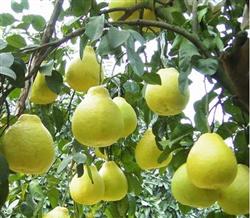
Key Technical Points for High-Quality and Efficient Fertilization Management of Shatian Pomelo
Shatian pomelo is a fruit of important standing in the fruit production of Xingning City. At present, the planting area has reached more than 30,000 mu, and the total output has reached more than 30,000 tons. Quite a number of farmers have already embarked on the road to prosperity by growing pomelo. In the long-term practice of planting Shatian pomelo, fruit growers in Xingning City have continuously experimented and summarized, and explored ways to improve the fruit quality of Shatian pomelo...
-
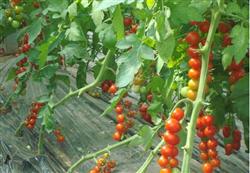
Key Technical Points for Spring Planting and Management of Cherry Tomatoes
As a variety of tomato, cherry tomatoes are increasingly popular with consumers. To achieve high yields when growing cherry tomatoes in spring, the work of planting and management must be done well. 1. Land preparation and planting The planting time for spring cultivation of cherry tomatoes is generally arranged for February to March, choosing land where no solanaceous vegetables have been grown within 3 years...
-
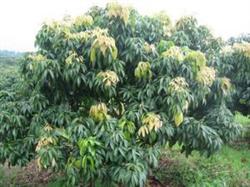
Detailed Explanation of Spring Management Measures and Technical Points for Lychee
China generally experiences dry climate, which promotes nutrient accumulation and flower bud differentiation in lychee and longan. It is currently spring, and lychee management during this season is a key link related to the quality of growth and development in the current year. Based on the current growth and development situation of lychee and longan, the following technical work opinions for spring management are specifically proposed. Lychee due to...
-
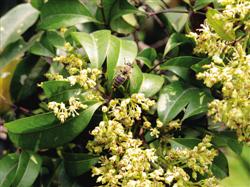
Key Technical Points for Fruit Retention and Fruit Enlargement in Lychee, Longan and Mango
At present, most lychee and longan trees in Guangdong Province are at the stage from flower panicle emergence to flower bud stage. Affected by the weather since the beginning of spring, with relatively high temperatures and suitable humidity, the flower panicles of lychee and longan have emerged early, pests and diseases have occurred early, and the base of pest and disease sources after winter is relatively high. It is expected that the main pests and diseases during the flowering period of lychee and longan will occur at a moderate level, with some areas being relatively severe. Lychee stink bug...
-

-
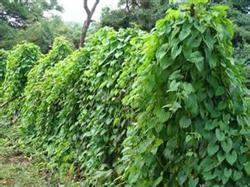
Yam Pest and Disease Control Methods and Key Technical Points
I. Anthracnose. Yams are prone to anthracnose during hot, rainy seasons, and after onset it causes stem blight and leaf drop. In the early stage, black spots appear on the leaves; in the later stage, the leaf color turns black, and the lesions become water-soaked; in severe cases it affects plant growth and causes reduced yield. Control: In the early stage of the disease, spray once every 7 days with 50% Tuzet 600x solution, or 7...
-
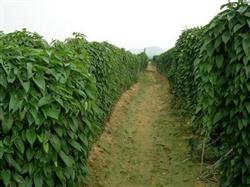
Key Technical Points for Integrated Pest and Disease Control in Chinese Yam
I. Agricultural Control 1. Selecting disease-resistant varieties is an effective method for controlling Chinese yam pests and diseases. When cultivating disease-resistant varieties, rational layout is necessary, rotating varieties every 2 to 3 years, and attention should be paid to variety purification and rejuvenation. 2. Crop rotation can reduce or avoid damage from Chinese yam stem rot and root-knot nematodes. Rotate at least once every 3 years with crops that are not infected, such as corn (2343, -3.00, -0.13%), wheat, radish, and watermelon; in old areas where Chinese yam is cultivated year-round, rotate once every year; where conditions permit, paddy-upland rotation can be implemented for better control results.
-
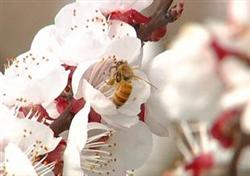
Technical key points for timely and proper pollination of apricot trees
Why do apricot trees often bloom profusely but rarely bear apricots? The main reason is poor pollination. To improve the fruit set rate of apricot blossoms, preparations must be made in advance and apricot blossom pollination must be done promptly, carefully and meticulously. For the main cultivars of apricot trees, choose varieties with natural pollination ability, a low rate of abortive flowers and a high natural pollination fruit set rate...
条件筛选