Technical key points for timely and proper pollination of apricot trees
Why do apricot trees often bloom profusely but rarely bear apricots? The main reason is poor pollination. To improve the fruit set rate of apricot blossoms, preparations must be made in advance and apricot blossom pollination must be done promptly, carefully and meticulously. For the main cultivars of apricot trees, choose varieties with natural pollination ability, a low rate of abortive flowers and a high natural pollination fruit set rate...
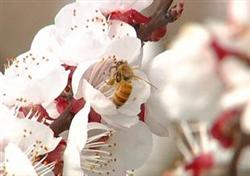
Why do apricot trees often bloom profusely but rarely bear apricots? The main reason is poor pollination. To improve the fruit set rate of apricot blossoms, preparations must be made in advance and apricot blossom pollination must be done promptly, carefully and meticulously.
For the main cultivars of apricot trees, choose varieties with natural pollination ability, a low rate of abortive flowers and a high natural pollination fruit set rate; plant pollinizer trees of varieties that have good compatibility with the main cultivars, bloom at the same time, produce a large amount of pollen and have a high pollen germination rate (such as Chuanzhihong). Irrigate in early spring to delay the flowering period of apricot trees, so the flowers can avoid damage from late frost; burn smoke in the apricot orchard to prevent frost damage. One month before flowering and before flower buds break, spray 0.1%-0.3% salt water once each time to reduce freezing damage to the flower organs; and hand-pollinating apricot blossoms can both help achieve good apricot blossom pollination and increase the fruit set rate.
The pollen used for hand pollination should be a mixed pollen of pollen from pollinizer variety trees and pollen from the main cultivars. The pollen of the pollinizer varieties should be collected at the bell stage of the flowers or the early opening stage of the flowers. After picking the apricot blossoms, rub two flowers together to remove the anthers. You can also first rub the flowers, then sift out the anthers, spread the collected anthers evenly on smooth clean paper after removing impurities, and place them indoors at a temperature kept at 20°C-25°C and a humidity kept at 60%-80% (too hot or too dry indoors will affect anther dehiscence). After 24 hours, the anthers dehisce and release pollen; wait briefly for them to dry, collect the pollen and put it in a glass container, then store it in a homemade desiccator for later use. The desiccator can be homemade: use a paper tube or iron tube, put some quicklime at the bottom of the tube, spread paper over the lime, put the pollen on the paper, and cover the tube opening.
From the early full-bloom stage to the late full-bloom stage, pollinate twice at intervals of one to three days. When there are many flowers, pollinate only the 1-3 newly opened flowers at the center of the inflorescence; when there are few flowers, all newly opened flowers should be pollinated. When pollinating, put the pollen in a glass bottle (not too much), use a brush, feather, paper twist or rubber tip to dip the pollen and lightly apply it to the stigma of the flower being pollinated. One dip of pollen can pollinate 4-5 flowers continuously. Determine the number of flowers to pollinate per tree according to tree age, tree vigor and management conditions. For trees with many flowers and poor fertilizer and water conditions, fewer flowers can be pollinated; otherwise, more can be pollinated. After each pollination, pour out the remaining pollen, air-dry it (without heating), then grind it into powder on a glass plate with a glass bottle (rod), and it can be used once more.