-
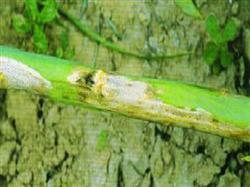
What are the key technical points for harvesting asparagus while retaining the mother stalks?
Asparagus stem blight is a devastating disease known as "asparagus cancer." Once stem blight occurs, it causes reduced yields in mild cases and total crop loss in severe cases, bringing huge losses to asparagus growers. Affected by the 2003 SARS outbreak, asparagus prices were low, many growers abandoned management, stem blight outbreaks were relatively severe, and asparagus fields...
-
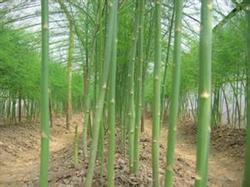
Key Technical Points for Fertilization and Earthing-Up Management of Asparagus
1. Fertilization: When cultivating asparagus, use plenty of organic fertilizer to make the soil loose and fertile, which is beneficial to the development of rhizomes and root systems. The amount of fertilizer used should be comprehensively considered based on factors such as the size of plant growth, soil fertility level, and utilization rate. Plant growth includes the yield of young shoots, the weight of aboveground stems, and the growth of rhizomes and fleshy roots...
-
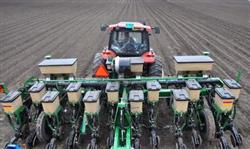
Detailed Explanation of Key Technical Points for Relay-Intercropping Corn Sowing
Improving sowing quality: To ensure full stands and strong seedlings of corn, generally apply 5 kg of diammonium phosphate and 1 kg of zinc sulfate per mu as seed fertilizer. Before sowing, spread out heaps of wheat straw evenly so as not to affect sowing and seedling emergence. When sowing, pay attention to the operating speed of the seeder to prevent missed sowing or sowing seeds on wheat stubble. Try to achieve "rows...
-
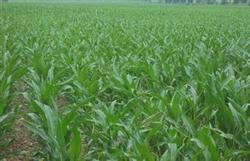
Key technical points for ensuring full seedling emergence in a single sowing of summer maize
To achieve "full seedling emergence in a single sowing" of summer maize, in addition to selecting good-quality seeds, attention should also be paid to the following aspects: Do not sow too deep: the most suitable sowing depth for summer maize is 3-5 cm. If sown too deep, the lower temperature makes the seeds prone to rotting; even if they manage to emerge, because the seeds are buried too deep, the seeds...
-
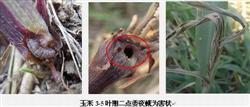
Technical key points for controlling the two-spotted field noctuid moth (Athetis lepigone) during the seedling stage of summer corn
The two-spotted field noctuid moth is a newly emerged pest in summer corn production areas in China. Returning wheat straw to the field provides an excellent environment for the two-spotted field noctuid moth to choose hidden, moist places for laying eggs and hatching. Once the larval peak period coincides with the corn seedling stage and suitable rainfall occurs, it may cause serious damage. The two-spotted field noctuid moth's...
-
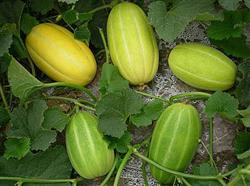
Key Technical Points for Open-Field Cultivation of Melons in Spring
Open-field melon cultivation in spring has low input costs and is easy to manage, making it one of the best choices for farmers to increase income and get rich in the short term. Optional varieties include Xiangmi 900, the Shabai series, and others. 1. Seed soaking: After selecting good varieties, the seeds can be appropriately sun-dried in fine weather and then screened. For warm-water seed soaking, soak in 55-degree water for 1 minute, then cool to 25 degrees, remove after 6 hours and let them dry slightly, then promote germination (keep the germination temperature at around 28 degrees). When the seeds sprout and turn white, sow them promptly.
-
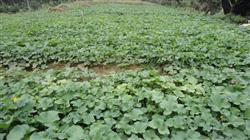
Key Technical Points for Open-Field Spring Muskmelon Cultivation
Apply all the base fertilizer at once, open a furrow 30 cm from the plants, and apply 50-100 kg of potassium sulfate compound fertilizer per mu, or 2-3 cubic meters of decomposed livestock and poultry manure. Or apply 50-100 kg of ternary bio-organic fertilizer, and in the middle and late stages spray the leaves with potassium dihydrogen phosphate + Xin Gao Zhi Mo (New High Lipid Film) at 600-800 times dilution, while also spraying Cuihua Wang No. 3 to balance vegetative growth...
-
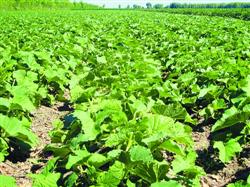
Key Technical Points for Spring Field Management of Melons
Fertilization: Apply the base fertilizer all at once in sufficient quantity. Dig a furrow 30 cm from the plants, and apply 50-100 kg of potassium sulfate compound fertilizer per mu, or 2-3 cubic meters of decomposed livestock and poultry manure. Or apply 50-100 kg of ternary bio-organic fertilizer. In the middle and late stages, spray the leaves with potassium dihydrogen phosphate + 600-800 times dilution of Xin Gao Zhi Mo, and at the same time spray Cui Hua Wang No. 3 to balance vegetative growth...
-
Three-step early spring management for asparagus: technical points growers must see
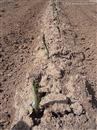
Because asparagus prices have been low for the past two years, most asparagus growers have given up field management or intercropped other crops in asparagus fields, seriously affecting the growth, development and yield of asparagus. In addition, the snow disaster that occurred too early in 2009 froze the plants to death, resulting in less nutrient accumulation and a reduced number and differentiation of scale buds. If effective measures are not taken,...
-
4 Key Technical Points for Raising Spring Cabbage Seedlings in Winter
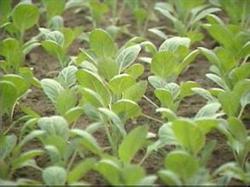
Spring cabbage is a type of vegetable crop with a relatively large planting area in the vegetable-producing regions of the central and southern parts of our province. Spring cabbage production has the characteristics of low input, saving labor and effort, and high yield. Right now, the golden season for raising early spring cabbage seedlings has arrived again. Below, the key technical points for raising spring cabbage seedlings are introduced for everyone's reference: 1. Suitable...
条件筛选