-

-
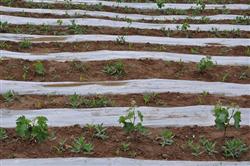
How to manage newly planted grapevines? These technical points need to be mastered
For grapes planted in the same year to bear fruit early and produce a high yield, the following measures should be carried out well in cultivation and management: Fertilization should be frequent and light. During the grape growing season, fertilization should be done frequently and lightly to reduce fertilizer burn and waste, thereby promoting good growth and development of new shoots and laying a solid foundation for early shaping, early fruiting, and high yield...
-

Detailed Explanation of the Cultivation Methods and Technical Key Points of the Snakegourd
How to Cultivate the Snakegourd
-

Detailed Explanation of the Planting Methods and Key Technical Points for Water Shield
Planting Methods for Water Shield
-

How to Grow Passion Fruit Well? Detailed Explanation of Planting Methods and Key Technical Points
How to Grow Passion Fruit Well
-

Detailed Explanation of Musk Deer Farming Methods and Technical Key Points
Musk Deer Farming Methods
-
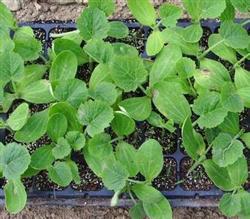
Key Technical Points for Fertilization During the Seedling Stage of Zucchini
Soil preparation and fertilization: Zucchini prefers slightly acidic soil, with a suitable pH value of 5.5 to 6.8. Zucchini has a very strong nutrient uptake capacity; applying too much nitrogen fertilizer easily causes excessive vegetative growth of stems and leaves, leading to flower and fruit drop and the occurrence of diseases. Therefore, nitrogen, phosphorus, and potassium should be applied in combination. Under normal circumstances, for every 1000 kg of fruit harvested, it needs to absorb 3.92 kg of nitrogen...
-
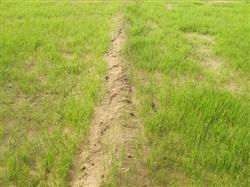
How to grow onion seedlings? Key technical points explained in one article
You must use the water-drop seedling method. Before sowing, treat the soil for pests and diseases. After emergence, immediately use Previcur to prevent damping-off and downy mildew, and do a good job of removing weeds. In the Guanzhong area of Shaanxi, sow at White Dew (September 7); in other areas, delay or advance according to the local climate. Seedling method: water-drop seedling raising....
-
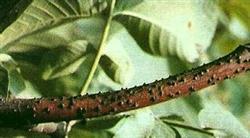
Integrated Control Methods and Technical Key Points for Walnut Branch Blight
Walnut branch blight is caused by fungal infection and mainly damages branches and trunks. It occurs in all regions, with a general diseased plant rate of 20-30%, and in severe cases the diseased plant rate reaches over 80%, causing massive branch dieback and directly affecting tree growth as well as walnut yield and quality. Therefore, timely control is necessary to curb the disease and promote tree...
-
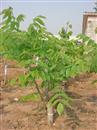
Detailed Explanation of Key Technical Points for Spring Management of Ma Walnut Trees
I. Planting of Ma Walnut Trees 1. The suitable time for planting is from March to mid-April, after the soil thaws and before the buds sprout. Early planting makes it easy to survive, with deep rooting. When choosing a site, the specific environmental requirements for walnut growth and development should be considered. The orchard site is best chosen on sunny flat land or gentle slopes, with sandy loam soil being ideal, and requires a soil layer of more than 1 m, with the groundwater level more than 2 m below the surface. The planting area should be leveled, aged, and measures taken to prevent alkalinity and waterlogging. For mountainous areas, fish-scale pits can be built first, then the tree discs gradually expanded. Before planting, large pits must be dug and sufficient base fertilizer applied. The correct method of digging pits is: dig pits 80-100 cm square, keep topsoil and subsoil separate, and apply one small cartload (50-100 kg) of barnyard manure organic fertilizer per tree. When backfilling the pit, first fill with topsoil mixed with base fertilizer, then fill with subsoil, tamping while filling, and water thoroughly before planting.
条件筛选