-
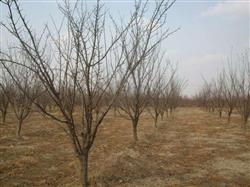
Pest Control Methods and Technical Key Points for Apricot Cultivation
Apricot seed wasp: Larvae overwinter inside fallen apricot pits or inside pits on branches. Female adults lay eggs between the pit shell and the kernel. The egg-laying hole on the fruit surface is not obvious, slightly grayish-green, and sunken; sometimes apricot gum flows from the egg-laying hole. The egg stage lasts about 10 days. The hatched larvae feed on the kernel inside the pit, causing a large number of fruit drops. Around early June...
-
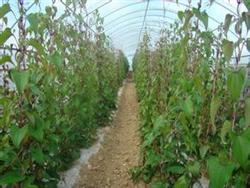
Key Technical Points for Site Selection, Land Preparation and Fertilization in Yam Cultivation
How should yams be managed after planting? From planting until trellising, timely cultivation and weeding should be carried out; later cultivation should be shallow rather than deep, so as not to damage the roots. A few days after the yams emerge, they begin to send out vines, so supports must be set up immediately to train the vines; to increase the light-receiving area, a trellis height of about 1.5 is best. After sowing and until the vines grow, manure can be spread on the ground surface, spread...
-
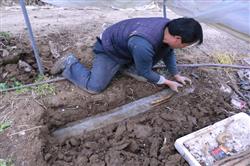
Detailed Explanation of Key Technical Points for Yam Cultivation
When yams are grown in the ordinary way, they are prone to developing many hairs, rough skin, curvature and branching, which seriously affect the yield and marketability of the yams. However, using plastic casing tubes to cultivate yams can not only solve the above problems and improve the marketability of the yams, but also greatly reduce the number of damaged yams, while also having high yield and qual...
-
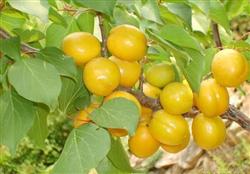
Key Technical Points for Fertilization and Irrigation Management of Apricot Trees
(1) Fertilization: Each year in September to October, after new shoots stop growing, apply sufficient base fertilizer, mainly organic fertilizers such as barnyard manure and chicken manure, combined with a certain amount of quick-acting fertilizer. The amount of fertilizer applied should be determined according to the size of the tree and its growth conditions. Usually, apply 30-50 kg of organic fertilizer per tree, plus about 0.5 kg of compound fertilizer specially formulated for fruit trees. After sprouting...
-
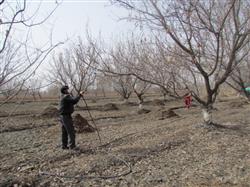
Winter Pruning Methods and Technical Key Points for Apricot Trees
Spring Management of Apricot Trees As the saying goes, "apricot trees fail nine years out of ten." Besides the low fruit-setting rate, the main reason is that apricot trees' ability to withstand low temperatures during bud break and blooming is greatly reduced. When temperatures fall below -3.9 at the bud stage, below -2.2 at the blooming stage, or below -0.6 at the young fruit stage, and the low temperature lasts more than 30 minutes, frost damage is likely to occur. Therefore...
-
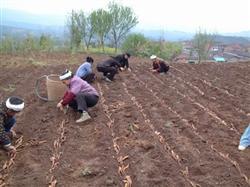
Detailed Explanation of Yam Planting Methods and Technical Key Points
Yam, also known as shanyao or Chinese yam, is a perennial twining herb. Traditional Chinese medicine holds that yam has multiple effects such as strengthening the spleen, tonifying the lungs, consolidating the kidneys, and boosting essence. As a highly nutritious food, yam contains large amounts of starch and protein, various vitamins, glucose, crude protein amino acids, choline, allantoin, and more. Among these, an important...
-
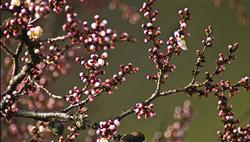
Detailed Explanation of Key Technical Points for Flower and Fruit Management of Apricot Trees
I. Artificial Pollination Apricot trees rely on bees and others for pollination. But experience shows that carrying out artificial supplementary pollination can increase the fruit-setting rate by 3-4 times compared with natural pollination. Artificial supplementary pollination should be carried out during full bloom, because the apricot flowering period is very short (5-7 days), so preparations should be made in advance. Apricot flower stalks are fragile and break easily, so extra care should be taken during pollination...
-
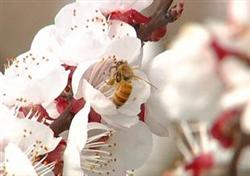
Technical key points for timely and proper pollination of apricot trees
Why do apricot trees often bloom profusely but rarely bear apricots? The main reason is poor pollination. To improve the fruit set rate of apricot blossoms, preparations must be made in advance and apricot blossom pollination must be done promptly, carefully and meticulously. For the main cultivars of apricot trees, choose varieties with natural pollination ability, a low rate of abortive flowers and a high natural pollination fruit set rate...
-
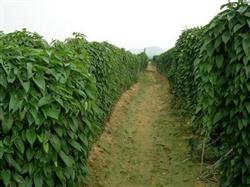
Key Technical Points for Integrated Pest and Disease Control in Chinese Yam
I. Agricultural Control 1. Selecting disease-resistant varieties is an effective method for controlling Chinese yam pests and diseases. When cultivating disease-resistant varieties, rational layout is necessary, rotating varieties every 2 to 3 years, and attention should be paid to variety purification and rejuvenation. 2. Crop rotation can reduce or avoid damage from Chinese yam stem rot and root-knot nematodes. Rotate at least once every 3 years with crops that are not infected, such as corn (2343, -3.00, -0.13%), wheat, radish, and watermelon; in old areas where Chinese yam is cultivated year-round, rotate once every year; where conditions permit, paddy-upland rotation can be implemented for better control results.
-
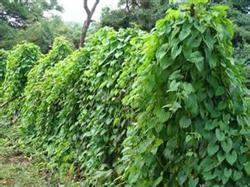
Yam Pest and Disease Control Methods and Key Technical Points
I. Anthracnose. Yams are prone to anthracnose during hot, rainy seasons, and after onset it causes stem blight and leaf drop. In the early stage, black spots appear on the leaves; in the later stage, the leaf color turns black, and the lesions become water-soaked; in severe cases it affects plant growth and causes reduced yield. Control: In the early stage of the disease, spray once every 7 days with 50% Tuzet 600x solution, or 7...
条件筛选