-
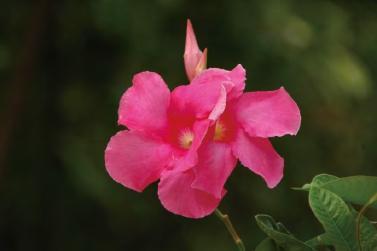
Cultivation Techniques for Chilean Jasmine: Propagation Methods and Pest and Disease Control
Cultivation Techniques for Propagation and Pest and Disease Control of Chilean Jasmine. Chilean jasmine (Mandevilla laxa), also known as red wrinkled vine, double gland vine, double joy vine, etc., is a tropical evergreen climbing ornamental plant of the genus Mandevilla in the family Apocynaceae, native to Central and South America (Brazil). ...
-
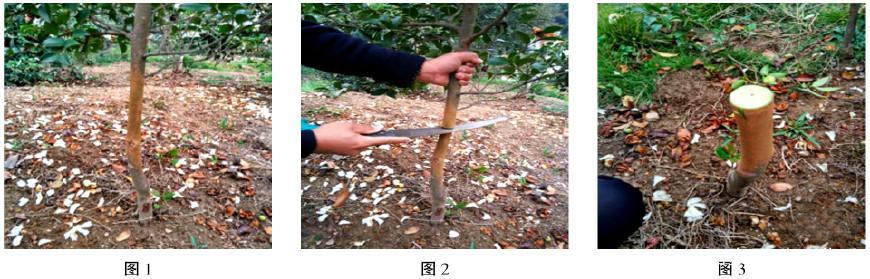
How to top-graft Camellia onto large Camellia oleifera rootstocks? A detailed explanation of the grafting technique
How to graft Camellia onto large Camellia oleifera rootstocks? The technique of top-grafting Camellia onto large Camellia oleifera rootstocks. How to graft Camellia onto large Camellia oleifera rootstocks? The technique of top-grafting Camellia onto large Camellia oleifera rootstocks. Camellia is a plant of the genus Camellia in the family Theaceae, an evergreen shrub or small tree, and one of China's ten traditional...
-
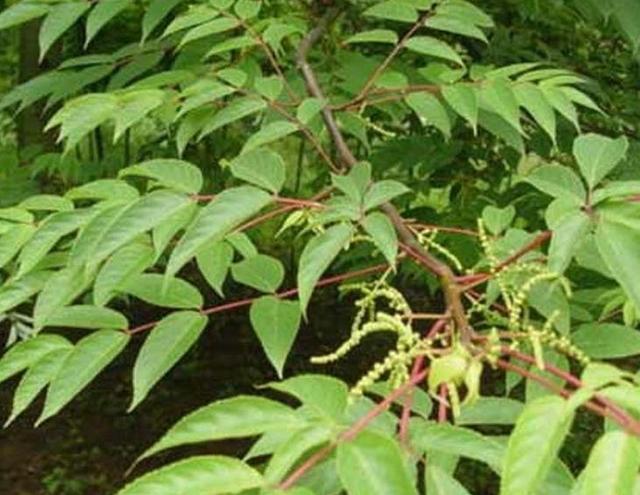
Experimental Study on Cutting Propagation Technology of Tapiscia sinensis
Experimental Study on Cutting Propagation Technology of Tapiscia sinensis 1 Materials and Methods The test material was the seeds of Tapiscia sinensis collected from the Houhe Nature Reserve in Wufeng. They were sown in March of the following year, and after seedlings grew, softwood cuttings were used for cutting propagation. 2 Results and Analysis 2.1 Seed...
-

A Clivia That Has Not Bloomed for Over 10 Years: These Few Techniques You Must Master
Every time I mention that Clivia will bloom once it grows more than 12 leaves and has been grown for 3 to 4 years, a gardening friend comes to ask me: Editor, take a look at my Clivia - how come it still has not bloomed after 10 years? I have tried everything, from rice-washing water to tea leaves, ...
-
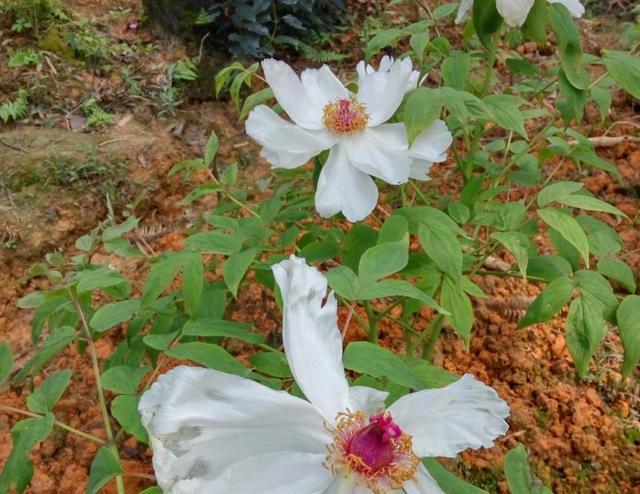
Detailed Explanation of Bare-Root Transplanting Techniques for Large Oil Peony Seedlings
Bare-Root Transplanting Techniques for Large Oil Peony Seedlings As the state places increasing importance on the development of the woody oilseed industry, oil peony has sparked a planting boom across the country. Afforestation practices in recent years have shown that afforestation with 2-3 year old oil peony seedlings...
-
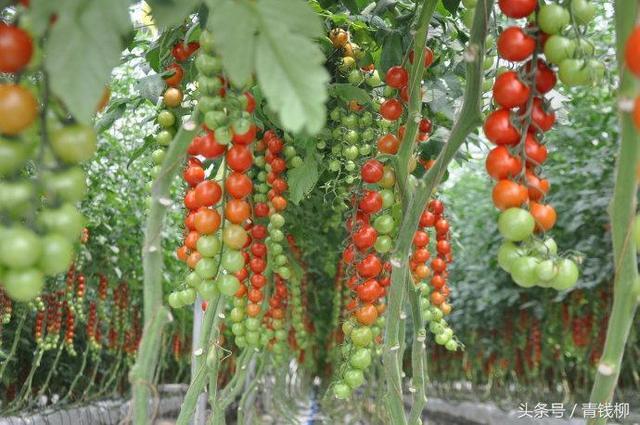
Sharing soilless vegetable cultivation techniques: simple methods that are easy to get started with
A simple soilless vegetable cultivation technique. Soilless cultivation refers to a cultivation method that uses nutrient solution irrigation instead of natural soil. In vegetable production, it has advantages such as high yield, good quality, early maturity, mild disease, no pollution, water savings, and labor savings...
-
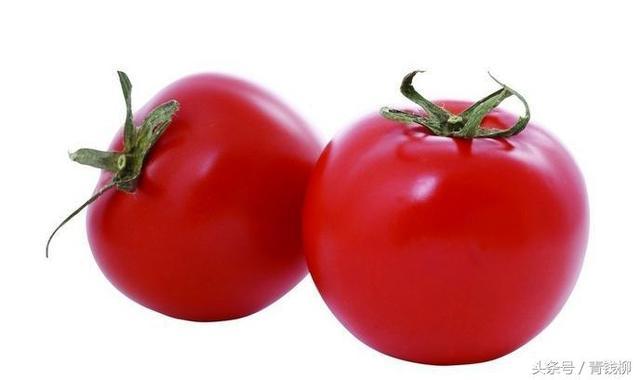
High-Yield and High-Efficiency Cultivation Techniques for Spring Greenhouse Tomatoes
High-Yield and High-Efficiency Cultivation Techniques for Spring Greenhouse Tomatoes I. The Growth Period of Tomatoes and Their Environmental Requirements (I) The Organs of Tomatoes Roots, stems, leaves, flowers, fruits, seeds -> typical seed plants Roots: The root system is relatively well developed, with strong regenerative capacity. Stems: ...
-
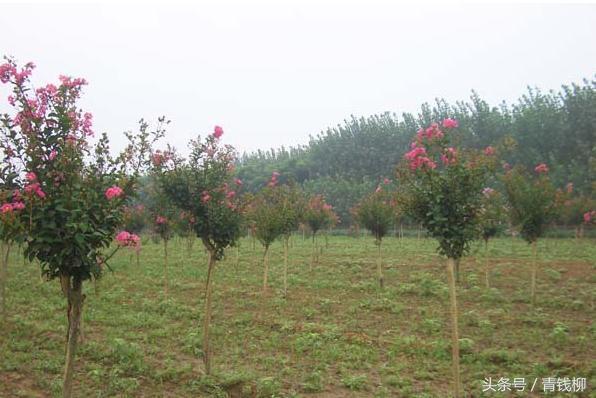
Detailed Explanation of Key Techniques for Cultivating Large Single-Trunk Crape Myrtle Seedlings
Cultivation Techniques for Large Single-Trunk Crape Myrtle Seedlings. Crape myrtle (Lagerstroemia indica) belongs to the genus Lagerstroemia in the family Lythraceae, also known as hundred-day red, mantanghong, itchy tree, and itchy flower. It is a shrub or small tree. The bark of crape myrtle is smooth, young branches are four-angled, leaves are alternate or opposite, and the flower colors are purplish-red or pink...
-
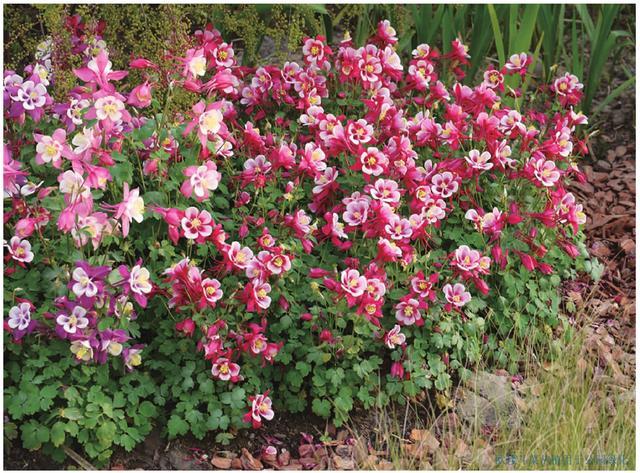
Cultivation Techniques for Aquilegia vulgaris: Propagation Methods and Key Points for Pest and Disease Control
Cultivation Techniques for Propagation and Pest and Disease Control of Aquilegia vulgaris. Aquilegia vulgaris (columbine) is a perennial herb in the genus Aquilegia, family Ranunculaceae. Plant height 30-60 cm. Basal leaves have long petioles; basal leaves and lower stem leaves are bipinnately trifoliolate...
-
Detailed Guide to Three-Dimensional Intercropping Techniques for Fritillaria cirrhosa and Ligusticum sinense
Intercropping and Three-Dimensional Cultivation Techniques for Fritillaria cirrhosa and Ligusticum sinense 1. Biological Characteristics of Fritillaria cirrhosa and Ligusticum sinense. Fritillaria cirrhosa D. Don is a plant of the genus Fritillaria in the Liliaceae family, with characteristics of cold tolerance, moisture preference, intolerance of high temperatures, and avoidance of strong light...
条件筛选