Experimental Study on Cutting Propagation Technology of Tapiscia sinensis
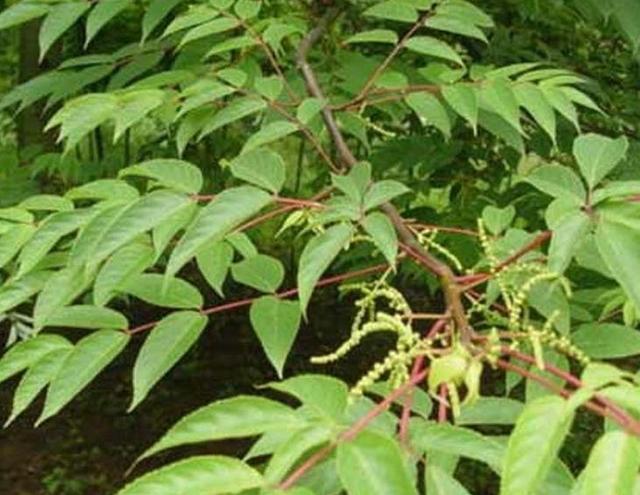
Experimental Study on Cutting Propagation Technology of Tapiscia sinensis
1 Materials and Methods
The test material was the seeds of Tapiscia sinensis collected from the Houhe Nature Reserve in Wufeng. They were sown in March of the following year, and after seedlings grew, softwood cuttings were used for cutting propagation.
2 Results and Analysis
2.1 Seed Propagation
The harvested seeds of Tapiscia sinensis were placed in a tray and stratified in moist sand for about 2 months, with regular watering to maintain moisture. They were then evenly sown in an electronically controlled intermittent mist full-light cutting bed. The cutting bed substrate was: the upper layer was soil about 10-20 cm, and the lower layer was yellow sand [1].
The Tapiscia sinensis seeds sown in the cutting bed began to emerge after about 25 d, and the vigorous seedling stage lasted about 2 months. In mid-June, more than 300 Tapiscia sinensis seedlings were moved to the nursery. Because young Tapiscia sinensis seedlings are relatively shade-tolerant but not tolerant of high temperatures and drought, a shade frame had to be set up. A few days before transplanting, 1:3 000 decis was sprayed to prevent diseases and pests. After one year of observation, more than 100 plants had survived and were growing well. The tallest seedlings reached 2 m, and the survival rate was about 40%.
2.2 Cutting Propagation
Vigorous, well-developed, pest- and disease-free softwood shoots with strong regeneration capacity that had sprouted in the current year were selected for propagation trials in the cutting bed. The cutting substrate was mainly vermiculite or perlite. Before cutting, the cutting bed was deeply turned, disinfected with a 0.3%-0.5% potassium permanganate solution, and the substrate was leveled. The cuttings were 12-15 cm long and prepared by radial cutting; the cuttings had to be processed immediately after collection. Three different hormones and concentrations, namely NAA, 911 rooting agent and ABT rooting powder, were used to soak the cuttings for 0.5 h, after which they were inserted [2]. The rooting results are shown in Table 1.
Table 1 Comparative test results of rooting rates under different hormone treatments and concentrations
As can be seen from the table above, NAA had the best rooting effect, followed by ABT rooting powder and 911 rooting agent; in terms of concentration, 500 mg/L had the best effect, followed by 1 000 and 100 mg/L. From an economic perspective, because NAA is relatively expensive and the rooting effects of ABT rooting powder and 911 rooting agent differ little, 911 rooting agent should be chosen for cutting rooting. This can effectively expand the propagation coefficient while reducing production costs, and has practical value. High hormone concentrations had better rooting effects than low concentrations. As for the hormones, NAA had the best induction effect, while ABT rooting powder and 911 rooting agent performed similarly. This experiment only used the soaking method; whether quick dipping of cuttings in hormones is effective still requires further study.
3 Discussion
(1) Because Tapiscia sinensis is scattered in distribution, does not easily set seed, and has weak natural regeneration capacity, seed collection is relatively difficult. Seed propagation involves sowing seeds after certain treatments in a cutting bed or nursery. Once seed propagation is successful, cutting propagation must be used to expand the propagation coefficient. The test results showed that the cutting rooting rate was highest at a concentration of 500 mg/L; the rooting effects of the various hormones differed little, and from an economic perspective 911 rooting agent should be chosen.
(2) The cutting rooting rate of Tapiscia sinensis is relatively low without hormone treatment, so hormone treatment is necessary during cutting propagation. Generally speaking, cutting propagation can be carried out in both spring and autumn. This time only a spring experiment was conducted; whether the autumn effect is good remains to be further studied.