A Clivia That Has Not Bloomed for Over 10 Years: These Few Techniques You Must Master
Every time I mention that Clivia will bloom once it grows more than 12 leaves and has been grown for 3 to 4 years, a gardening friend comes to ask me: Editor, take a look at my Clivia - how come it still has not bloomed after 10 years? I have tried everything, from rice-washing water to tea leaves, so why does nothing work?
1. If It Will Not Bloom, It Is Because You Do Not Understand Them Well Enough - Let Us Take a Look Together
Wild Clivia
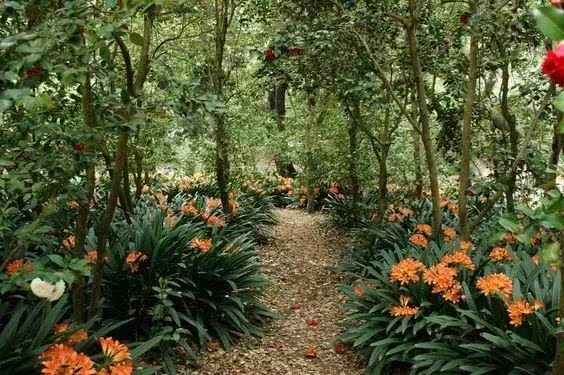
The native habitat of Clivia is relatively humid, warm woodland. They usually grow under scattered light in evergreen forests, in places with well-drained soil rich in humus on small hillsides. Their habitats range from subtropical coastal forests to canyon highland forests.
Clivia miniata planted in the ground can grow into a very spectacular large patch. They love a cool winter and warm summer environment. Add fertile, loose humus soil and their fleshy roots can grow as deep as 80 cm below the surface.
Whether the leaves form a regular fan shape or a scattered chive-like shape, they are very appealing. Each stem can produce 15-20 trumpet-shaped flowers, each 5-8 cm (Clivia miniata really is that big).
Clivia miniata grows slowly and generally takes 3-5 years to reach full maturity. Each stem can produce one inflorescence, and the inflorescence is filled with small flowers clustered at the top.
Its fruit can be picked once it turns from green to orange; remove the outer skin and you can sow it. Its seeds have a pearly luster and can be sown while fresh.
2. Tips for Growing Clivia Indoors
Clivia miniata is a familiar houseplant among gardening enthusiasts. It can live for many years, is easy to grow and simple to care for, but it requires plenty of patience.
In everyday care, avoid moving the plant frequently; just turn the pot once a week. Each week, gently wipe the leaf surface with a damp soft cloth to make the leaves more glossy.
If you do not want your Clivia to keep its fruit after flowering, you can cut off the flower stem with a knife when the flowers are almost spent. Otherwise it will affect the next year's bloom.
1. Choosing the Placement Position
The best position for growing Clivia miniata is one where it can get 3 hours of light in the morning and then another 3 hours of light before evening - that would be perfect.
The midday sun is too strong and will scorch the leaves of Clivia, so remember it must never be exposed to blazing sun. But if it is too dark, it will not bloom, and the plant will not be robust either.
In summer, you can place Clivia in a shaded, ventilated environment, but it must not receive too much rain, and remember there must be no waterlogging.
2. Suitable Temperature
In a warm environment, Clivia miniata grows very quickly. In winter it needs a short dormant period (6-8 weeks), that is, keep the temperature at around 10°C for 6 weeks, which will help them bloom better the following year.
If there is too much heating in winter, they may still bloom the following year, but if the winter is too warm, it will affect the flowering time and shorten the lifespan of the flowers.
3. Wateringand Fertilizing
Avoid misting Clivia too much, and in particular do not let excess water remain on the leaves.
In spring and summer you can give a bit more water, but as much as possible let the potting soil dry out completely and then water thoroughly each time. After it turns cool in autumn, gradually reduce the frequency and amount of watering.
But by late winter, once the Clivia has flower stems after blooming, you should start increasing the watering frequency again. Be careful not to overwater; frequent overwatering can cause root rot.
4. Potting Soil and Fertilizer
In spring and summer, you can give liquid fertilizer once every two weeks, preferably a fertilizer specially formulated for Clivia. In late winter, appropriate additional fertilizing is needed.
The best soil for potted plants is loose humus soil with good drainage. A mix of leaf mold and wood shavings works well, and fertile humus soil is the very best.
5. Introduction to Repotting and Potting Up
Potted Clivia generally needs repotting once every 2-3 years, though of course it depends on the size of your pot. When repotting, clean up diseased roots, weak roots and old roots. For Clivia that has been flowering for more than 3 years, only a little more than 1/3 of the root system needs to be kept.
When potting up, you can place broken tiles at the bottom of the pot, add base fertilizer to the soil, preferably decomposed organic fertilizer, and you can appropriately add bone meal.
6. How to Grow Clivia Outdoors
If grown outdoors, Clivia needs a mild, frost-free environment. Clivia is very sensitive to frost and is especially prone to freezing damage in cold winds.
Many people who grow Clivia on a large scale plant Clivia miniata under tree shade, in a dry, cool place with scattered light. The tree canopy can protect them from frost damage or sunburn.
7. Sowing and Division
The most suitable temperature for sowing Clivia is around 21°C. It is best to grow them in a seedling tray. Clivia grown from seed needs at least 3 years to mature and bloom.
When repotting, if you see side shoots that the Clivia has produced, you can separate them and cultivate new plants from them.
3. Common Problems Gardening Friends Have When Growing Clivia:
1. There Are Bugs
If Clivia is harmed by mealybugs, scale insects or spider mites, use an appropriate insecticide promptly. You can wipe them off with a cotton swab dipped in alcohol, or spray with soapy water diluted in water.
2. Has Not Bloomed for Many Years?
If your Clivia still has not bloomed after 10 years, then ask yourself whether you have never fertilized it, whether you have overwatered it, and so on. (It is partly male and female.)
3. Root Rot
If your Clivia shows symptoms of root rot, then you must promptly remove the rotten roots, dry the wounds, soak them in carbendazim, and then repot.
4. Spots on the Leaves
Spots growing on the leaves are very likely from sunburn, or possibly caused by light refracting through water droplets on the leaf surface. Otherwise it is leaf spot disease; promptly remove diseased leaves and spray with thiophanate-methyl. Soil that is too wet or random fertilizing can also cause this, so try to avoid it.
5. Flowers Trapped in the Sheath
When Clivia flowers are trapped in the sheath, meaning the flowers are hidden among the stems and leaves, it is usually because the winter environmental temperature is unsuitable - usually too warm. Keeping it at around 10°C is the most suitable.
If the flowers are already trapped in the sheath, then you need to shade it, give a bit more water, and increase the temperature difference.