High-Yield and High-Efficiency Cultivation Techniques for Spring Greenhouse Tomatoes
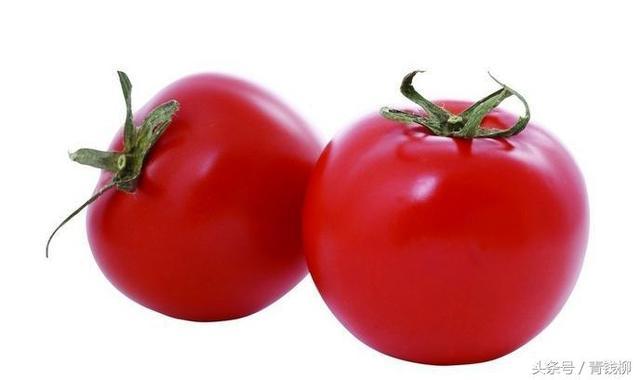
High-Yield and High-Efficiency Cultivation Techniques for Spring Greenhouse Tomatoes
I. The Growth Period of Tomatoes and Their Environmental Requirements
(I) The Organs of Tomatoes
Roots, stems, leaves, flowers, fruits, seeds -> typical seed plants
Roots: The root system is relatively well developed, with strong regenerative capacity.
Stems: The degree of lignification is relatively low, with strong branching ability (lateral branches) Leaves: Simple leaves, with relatively deep leaf lobes: Flowers: Relatively deep leaf lobes
Fruits:
Seeds: 1000-seed weight is about 3 g
(II) The Growth and Development Process of Tomatoes (4 stages)
1. Germination stage
SeedGerminationAppearance of the first true leaf
2. Seedling stage
From the appearance of the first true leaf to the appearance of large buds (before flowering)
The key management period "rapid root growth, flower bud differentiation, accumulation of effective accumulated temperature"
3. Flowering and fruit-setting stage
From transplanting to the first cluster of fruit set
Turning point Preserving flowers and fruits (increasing early-stage yield)
4. Fruiting stage
From the first cluster of fruit set to vine removal
Production focus Regulating the relationship between vines and fruits, with large demand for fertilizer and water
(III) The Environmental Conditions Required for Tomato Growth
The five major elements of the environment: temperature, light, water, air, fertilizer
The sixth major element: biological activity (pests and diseases)
1. Temperature
Tomatoes are a warm-season vegetable
2. Light
Tomatoes require a light saturation point of 70000 lux, and generally a light intensity of above 30000-35000 lux should also be ensured to maintain normal growth and development. Sufficient light during the seedling stage is beneficial for early flower bud differentiation and early flowering. If light is below 13000 lux, flower bud differentiation is greatly delayed, and even increasing nitrogen fertilizer application cannot overcome this weak-light effect.
3. Water
Tomatoes belong to semi-drought-tolerant vegetables, with well-developed root systems and relatively strong water-absorbing capacity; their suitable relative air humidity is 50%-60%. If air humidity is too high, it easily causes the occurrence of various fungal and bacterial diseases, and also affects self-pollination and fertilization.
Soil moisture content should reach 60%-80%. If soil moisture content changes unevenly, such as alternating dry and wet conditions, fruit cracking is likely to occur, affecting the commercial quality of the fruit and thereby affecting benefits.
4. Fertilizer
Tomatoes are one of the crops that most need fertilizer. During growth and development, tomatoes need to absorb large amounts of nutrient elements. In addition to major elements such as nitrogen, phosphorus, potassium, calcium, and magnesium, they also need to absorb trace elements such as boron, sulfur, iron, zinc, and manganese from the soil to achieve high yield and high quality. According to surveys, for a yield of 5000 kg of tomatoes per mu, 17 kg of nitrogen, 5 kg of phosphorus, and 26 kg of potassium need to be absorbed.