-
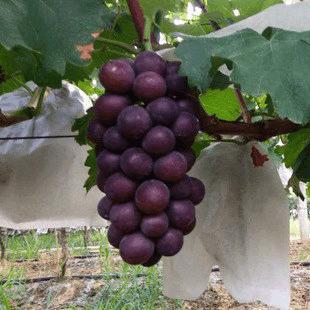
Detailed Explanation of Standardized Cultivation Techniques for Hutai No. 8 Grape
Standardized Cultivation Techniques for Hutai No. 8 Grape. Hutai No. 8 is a dual-purpose table and processing variety originating from Europe and America. It is suitable for planting in areas with an annual effective accumulated temperature of 3,800 °C and a frost-free period of more than 180 days, and is resistant to downy mildew, gray mold, and anthracnose. Tolerant to high...
-
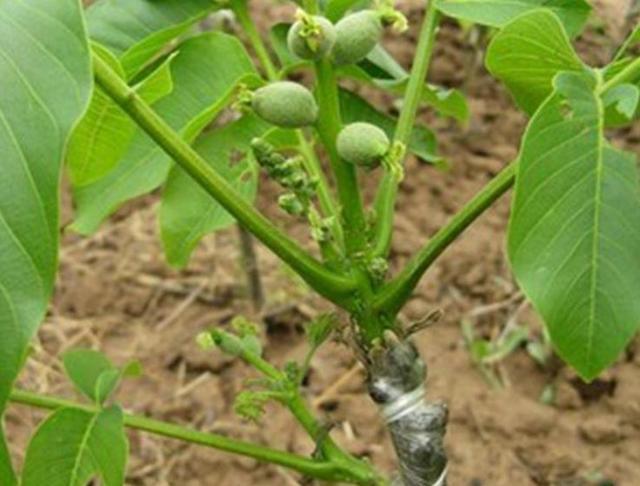
How to train and prune early-bearing walnut? Detailed technical points
Training and pruning techniques for early-bearing walnut. The tree shape of walnut should be chosen according to soil conditions and planting density. The open-center layered shape and the natural open-center shape are commonly used, and free spindle and slender spindle shapes can be used in dense orchards. The open-center layered shape has an obvious central leader...
-
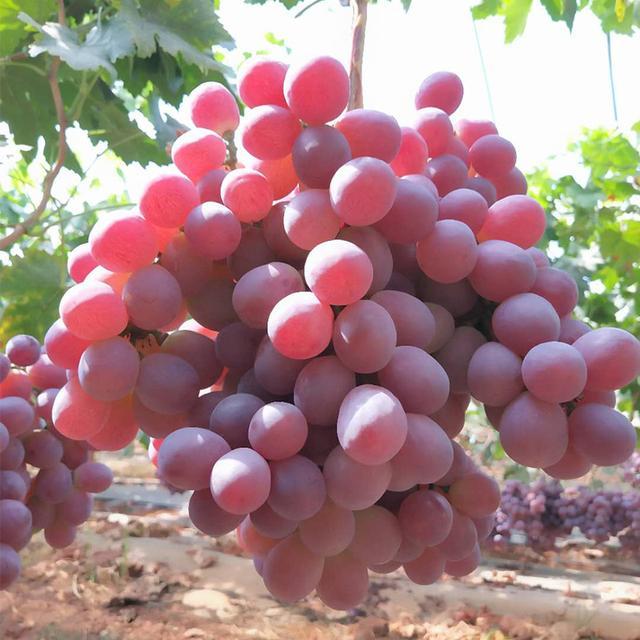
What are the key management techniques during the grape berry development period?
How should grapes be managed during the berry development period? Shoot pinching and foliar fertilizer application for the canes and vines, to maintain a good tree appearance. One month after flowering, the new shoots basically stop growing; those that have not stopped are pinched to control them, so as to concentrate nutrients for berry development. The fully expanded functional leaves near the trunk and canes...
-
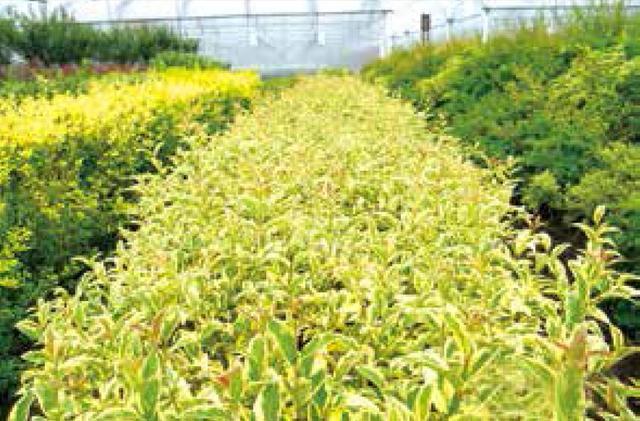
Detailed Cultivation Techniques for Asexual Propagation and Pest and Disease Control of Variegated Privet
Asexual Propagation and Pest and Disease Control Cultivation Techniques of Variegated Privet: Cutting Orchard Site Selection: Choose slightly acidic, neutral and slightly alkaline soil, a site with good drainage and convenient transportation, and set up a shade net with 65% shading rate. Plow, open furrows, make beds, at...
-
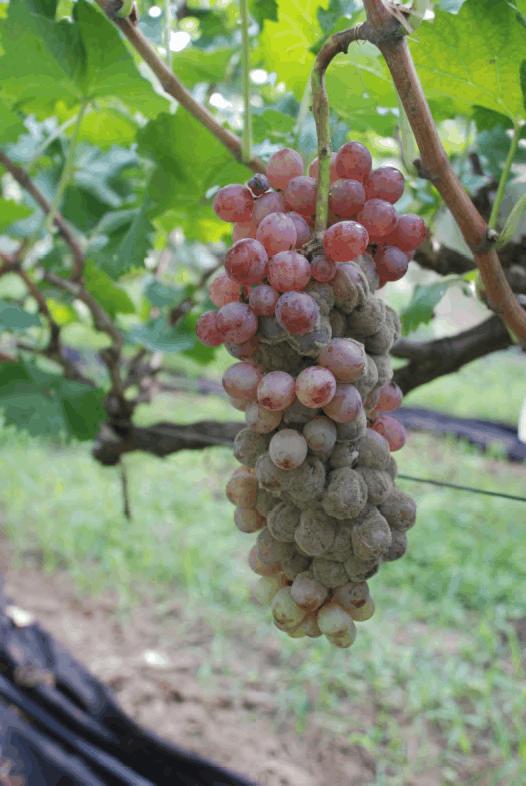
How to prevent and control grape gray mold? Detailed explanation of its occurrence pattern and green control techniques
Occurrence pattern of grape gray mold and green control techniques. Grape gray mold, commonly known as "rotten flower cluster," is one of the most common and seriously damaging diseases in grape production, mainly caused by Botrytis cinerea. In recent years, whether under protected cultivation or open-field cultivation...
-
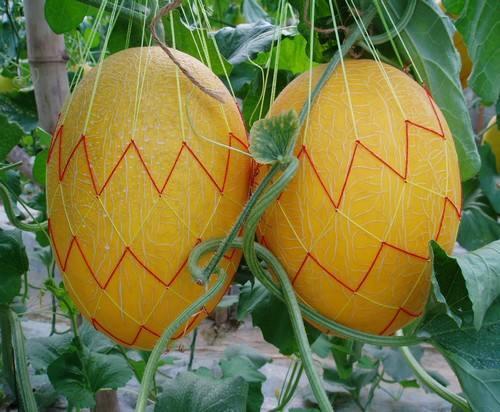
Development Prospects and Technical Countermeasures for Cantaloupe-Type Muskmelons in South China
Development Prospects and Technical Countermeasures for Cantaloupe-Type Muskmelons in South China Fund project: Guangxi Academy of Agricultural Sciences Science and Technology Development Fund (Guinongke 2015JZ84, Guinongke 2017JM14). South China (mainly the Guangxi Zhuang Autonomous Region...
-
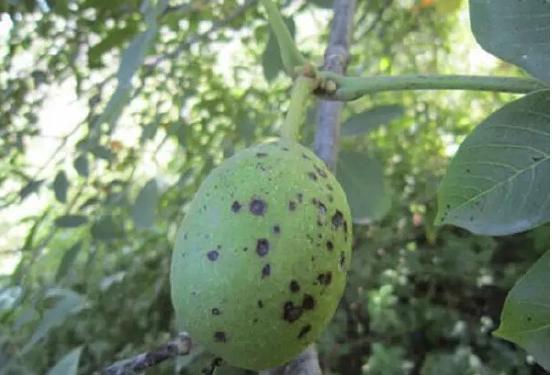
Detailed Explanation of Key Technical Points for the Prevention and Control of Walnut Bacterial Blight
Techniques for the Prevention and Control of Walnut Bacterial Blight With the adjustment of the agricultural structure and to promote increases in farmers' income, Taocheng District, Hengshui City, Hebei Province, has developed walnut cultivation on a large scale, and in 2014 was the first to introduce Lvling walnut. Now the walnut trees have successively entered the fruiting stage...
-
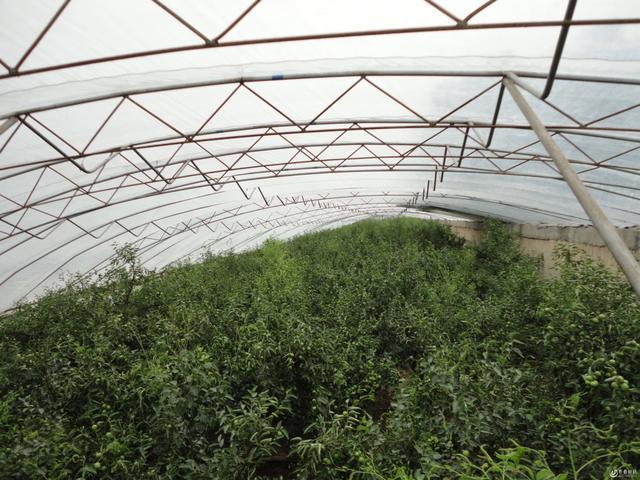
Key Technical Points for the Construction and Management of Zhandong No. 2 Winter Jujube Greenhouses
Construction and Management Techniques for Zhandong No. 2 Winter Jujube Greenhouses. "Zhandong No. 2" is a new high-quality late-maturing fresh-eating jujube variety developed through bud mutation and selective breeding from Zhanhua winter jujube. Its fruit has an attractive appearance, is rich in nutrients, and has excellent quality. However, "Zhandong No...
-
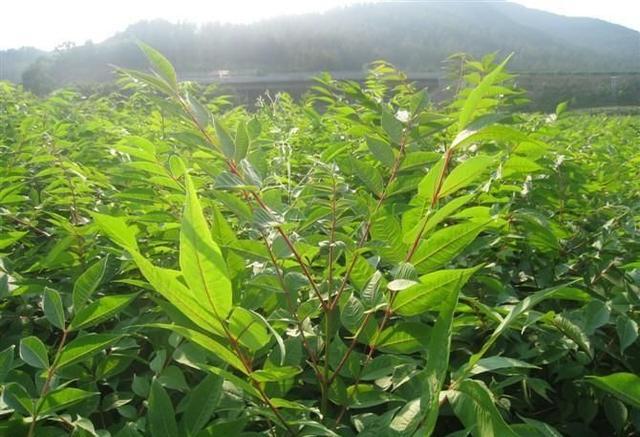
Detailed Explanation of Huangbailuo (Phellodendron amurense) Seedling Cultivation and Artificial Afforestation Techniques
Huangbailuo (Phellodendron amurense) Seedling Cultivation and Artificial Afforestation Methods 1 Growth Habits of Huangbailuo Huangbailuo is a deciduous tree. Mature trees grow to about 20 m tall, and the trunk diameter can reach about 50 cm. It is an important military timber raw material in China. Common...
-
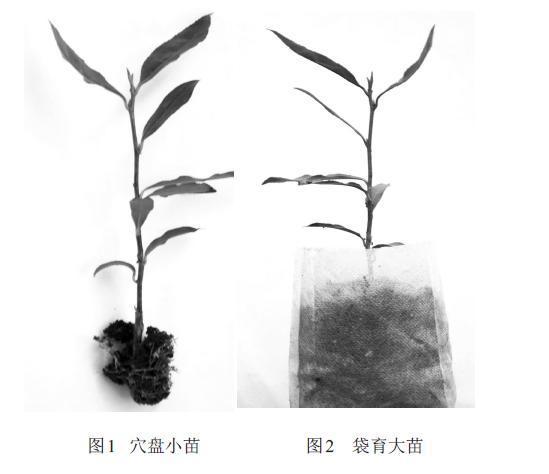
Detailed Explanation of Key Technical Points for Rapid Orchard Establishment of Newly Planted Clonal Tea Gardens
Rapid Orchard Establishment Technology for Newly Planted Clonal Tea Gardens Generally, for a newly planted clonal tea garden, it takes 3 to 4 years from tea seedling transplanting to orchard establishment and harvesting. If planting and management are poor, it takes even longer. Since there is no income for many years before tea harvesting, in order to seek immediate benefits...
条件筛选