-
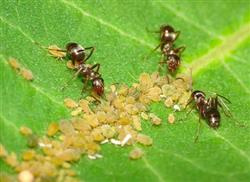
What are the methods for controlling aphids? Read this one article to understand the techniques
What are the methods for controlling aphids? Is there a netizen who can help explain? Zhongdiwang has compiled the methods for controlling aphids, and the following is a detailed list for netizens' reference. Method 1: Make reasonable use of aphids' natural enemies: There are many kinds of natural enemies of aphids, mainly the seven-spot ladybird, green lacewing, aphid hoverfly, flower bug and aphid braconid...
-
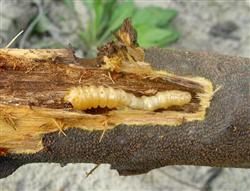
How to control longhorn beetle larvae? Detailed explanation of control methods and technical key points
How to control longhorn beetle larvae? Longhorn beetle larvae cause very severe damage to fruit trees. How should they be controlled? Please provide methods. Damage caused by longhorn beetles: larvae of the bark-girdling longhorn beetle girdle the bark (gnawing the green surface layer of the trunk); larvae of the Miezi ridge tiger longhorn beetle damage branches and trunks, boring the xylem into crisscrossing tunnels and boring toward the center of the stem, damaging the pith, then boring downward to damage the roots. This seriously affects water transport, causing weakened tree growth, withered yellow branches and leaves, and symptoms of fertilizer and water deficiency.
-
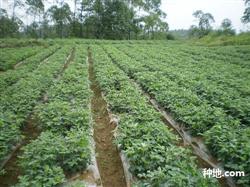
Chemical Weed Control Methods and Technical Key Points for Peanut Fields
How is chemical weed control carried out in peanut fields? Please explain. Peanut is one of the major economic crops, and in the cultivation process, the most labor-intensive and time-consuming task is weeding. The major harmful weeds occurring on peanut land include grass-family weeds such as large crabgrass, green foxtail, Chinese sprangletop, purple nutsedge, goosegrass, and late barnyardgrass; broadleaf weeds include field thistle, feather cockscomb, chickweed, prickly lettuce, small bindweed, shepherd's purse, knotweed, lambsquarters, amaranth, bean and black nightshade, etc.
-
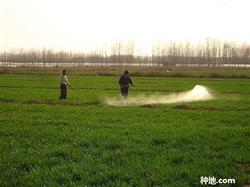
Chemical Weed Control Methods and Technical Points for Winter Wheat Fields
How to chemically control weeds in winter wheat fields? Please guide. For chemical weed control in winter wheat fields, you can refer to the following methods: 1. Control agents: 3% Shima oil suspension concentrate (mesosulfuron-methyl); 3.6% Kuoshima water-dispersible granules (mesosulfuron-methyl + iodosulfuron-methyl-sodium). 2. Usage amount: Shima...
-
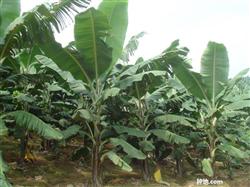
Application Methods and Technical Key Points of Pre-emergence Herbicides for Soybean
How are growth regulators used on banana? Please advise. The growth, development, flowering and fruiting of banana are affected by nutrients and endogenous hormones within the plant as well as external environmental conditions (climate, soil, management level). During growth and development, it is often constrained by one aspect or another, which affects the yield and quality of banana fruit. Plant...
-
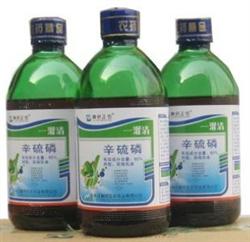
Application Methods and Technical Key Points of Botanical Insecticides
Chemical fertilizers, pesticides and hormones are major means of agricultural production and play an important role in ensuring increased agricultural output and higher farmer incomes. With social development, in order to improve labor efficiency and increase economic returns, farmers often mix two or more of chemical fertilizers, pesticides and hormones when applying them in production. Scientific and rational...
-
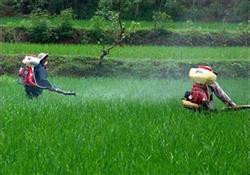
A detailed explanation of new grain insect-killing technology, scientific prevention and control of grain pests
In rural areas, this phenomenon is often encountered: when farmers spray pesticides, they do not know what pesticide they are using, nor how many times it should be diluted, and only know how many caps (pesticide bottle caps) to mix into a bucket of water. This is the true portrayal of how most Chinese farmers use pesticides today. Of course, this current situation has to do with rural...
-
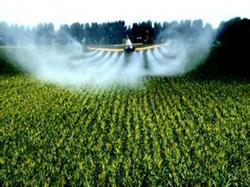
How to apply insecticides scientifically? Correct methods and techniques
To control crop pests with pesticides and achieve the best insecticidal effect, in addition to selecting the right targeted agent and applying it at the right time, you should also pay special attention to the following two issues that are easily overlooked. Different agents and different application methods should be chosen according to the part of the plant the pest damages, so that the pesticide is delivered to the right place. For example, for pests that damage...
-
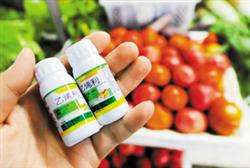
Bt insecticide application techniques matter; mastering the method is key
Ethephon is an organophosphorus broad-spectrum low-toxicity plant growth regulator that promotes ripening. It can enter the plant through leaves, bark, fruit, and seeds, then be transported to the sites where it acts, releasing ethylene. It can promote fruit ripening and coloring, promote the abscission of leaves and fruit, dwarf plants, and change the ratio of female to male flowers...
-
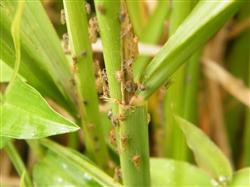
How to control brown planthopper? Detailed explanation of control methods and techniques
How to control brown planthopper? Please introduce methods for controlling brown planthopper. It is necessary to apply insecticides at the appropriate time according to the occurrence and damage characteristics of brown planthopper, and select suitable insecticides according to the occurrence situation of brown planthopper in the field. Occurrence and damage characteristics of brown planthopper: brown planthopper is a migratory pest and cannot overwinter north of 25°N...
条件筛选