-
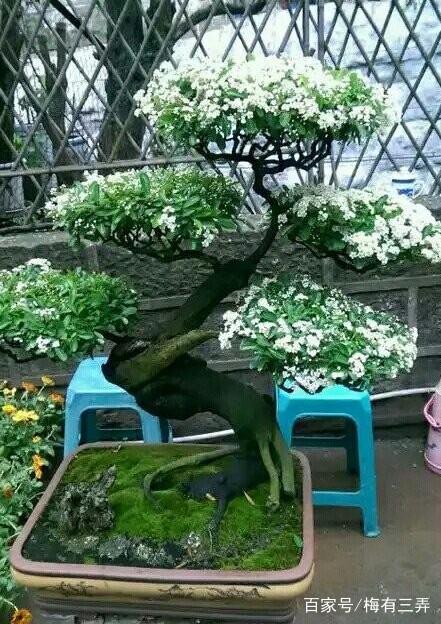
Bonsai styling without asking for help - becoming an expert is just this simple
1. Roots The root of a tree stump is the foundation of a bonsai, and it is also extremely important. After the stump comes down from the mountain, the roots must be cut first, then the trunk. While ensuring survival, the thick roots should be cut as short as possible, which helps produce more roots and more buds...
-
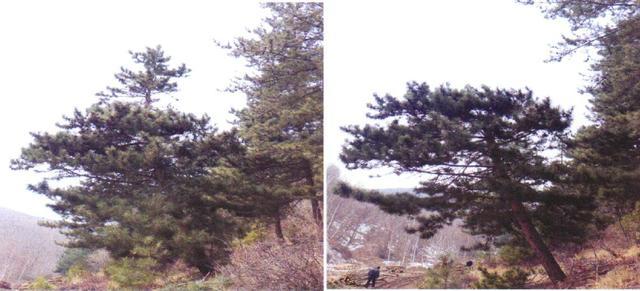
Shaping, pruning and styling techniques for large mountain Chinese pine trees
Large tree shaping and pruning techniques - styling mountain Chinese pine (1) Overall styling approach ① For trees whose crown is greater than 1/2 of tree height and whose tree form is relatively full, carry out thinning and release, and cultivate them as normal nursery stock; for this type of tree, simply clearing dead branches is sufficient...
-

Introduction to the Styles of Red Maple Bonsai and Common Styling Features
Red maple bonsai is also known as purple-red Japanese maple or red duck-foot maple. Red maples are relatively easy to cultivate, so they are often made into bonsai, which gives them even higher ornamental value. So what styles of red maple bonsai are there
-
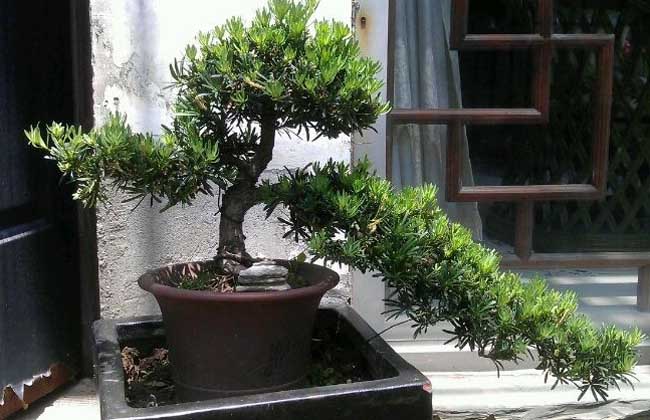
A detailed guide to Podocarpus styling techniques, teaching you to create a beautiful tree shape
Podocarpus styling techniques
-
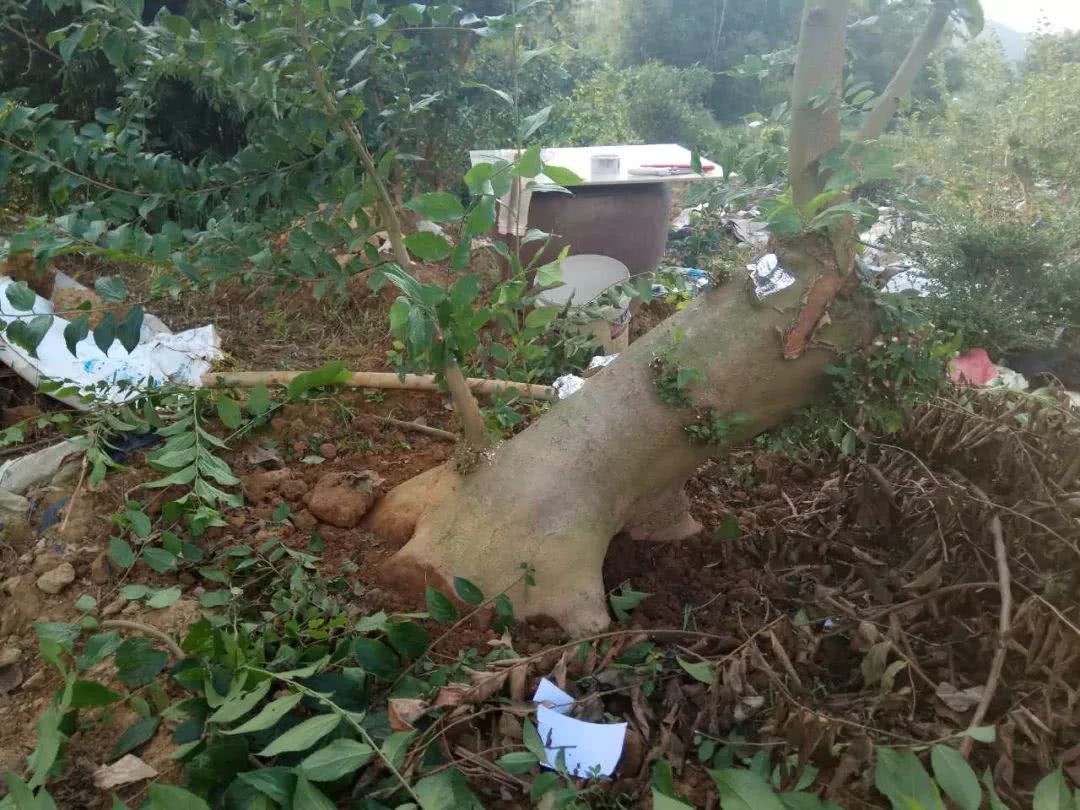
In the styling design of Chinese hackberry (Celtis sinensis) bonsai, breaking the trunk is an effective means of speeding up the transition.
Advantages of the stump material: 1. The front root flare of the stump base is strong, with a reasonable distribution. 2. The trunk leans at 45 degrees, rising along a parabolic curve, which gives the emerging branches a powerful, vigorous force. 3. The apex branch has been grown out fully, making it easy to form a suitable transition. Material sourcing and cultivation measures 1. Art...
-
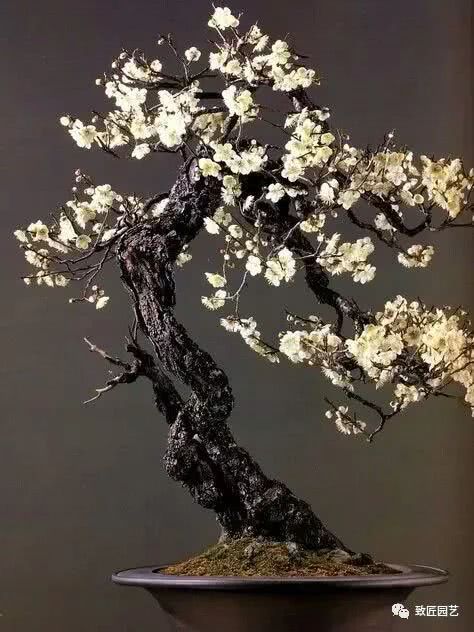
Styling Techniques for Plum Blossom Bonsai: The Beauty of Curves
Horizontal, slanting, sparse and lean, beauty lies in the curves. Mao Zedong wrote: "Already a hundred zhang of ice hang on the cliff, yet still the flowering branches stand proud." It is clear that whether in ancient times or today, there are always those who hold a special affection for plum blossoms! Highlights ...
-
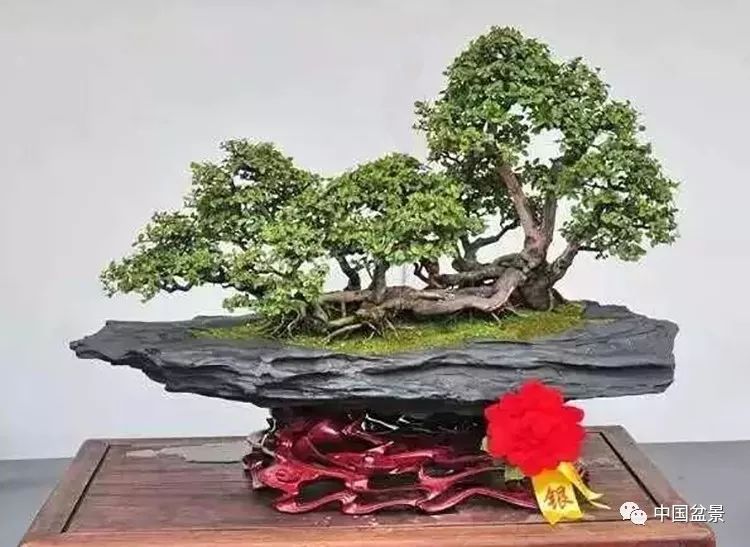
A bonsai enthusiast's reflection: Naturalistic styling is the only way forward for bonsai innovation
[Bonsai Enthusiast's Reflections] Text by @Zhou Yingzhi, Xiamen, Fujian Water, flat as a mirror, with clouds and moon reflected within, content and at ease. Water, with a calm and light spirit, flows gently onward, softly sidestepping any obstacle, never taking offense, calm in heart and light in flow, naturally unhindered. Clouds, free and easy, drift in the sky, relaxed and graceful, not minding whether they stay or go, drifting over mountain peaks and across oceans, leaving no trace behind, free and serene. In life, when you calm your heart, it is a placid pool of water; when you lighten your heart, it is a carefree cloud.
-
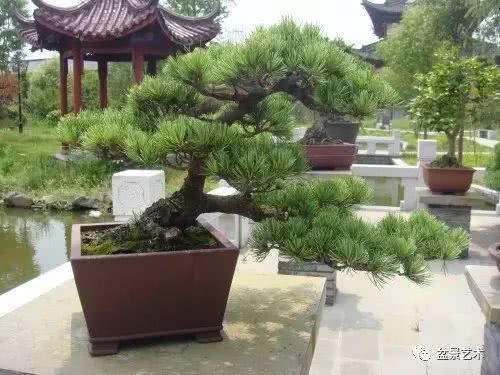
Detailed Explanation of Rapid Styling Methods for Five-needle Pine Bonsai
1. Five-needle pine bud grafting and branch high grafting. Five-needle pine bud grafting and branch high grafting are two different forms, but their methods and effects are the same; the only difference is the scion. The method is as follows: Selection of rootstock - choose a potted black pine (Pinus thunbergii) old stump that has begun to take the preliminary shape of a bonsai...
-
How to Make a Redbud (Cercis) Bonsai: A Detailed Guide to Sourcing Materials and Styling Techniques
Redbud, also known as "mantiaohong" (full-branch red), is a deciduous shrub or small tree in the genus Cercis of the legume family (Fabaceae). The plant grows upright and clump-forming, reaching 3 m to 4 m in height. The trunk is grayish-brown, with the old bark splitting longitudinally, while young branches are smooth. The simple leaves are alternate, nearly round, 6 cm to 14 cm long, with pointed tips and deep heart-shaped bases, entire margins or with a transparent cuticle along the leaf edge
-
Why bonsai styling cannot be formulaic or mechanical
Bonsai styling does not need this kind of foresight. If there is such foresight, bonsai styling easily falls into the dead end of formulaic and mechanical work. The shapes in an individual's mind are all limited; it is impossible to have the divine craftsmanship and ever-changing forms of nature. Before painters create, they all go into nature to sketch from life
条件筛选