-
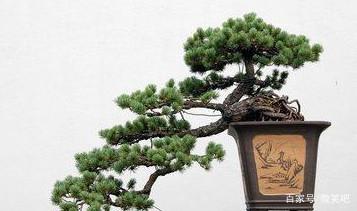
How to Turn a Messy Pine Stump into a Beautiful Bonsai? A Styling Tutorial
The most important thing in bonsai is the design concept; it matters more than the starting point and the techniques. Before we begin, we should break free from the year-after-year timeline, the framework of New Year's Eve, and even the habit of starting by digging up a clump, always stubbornly waiting until New Year's Eve. ...
-
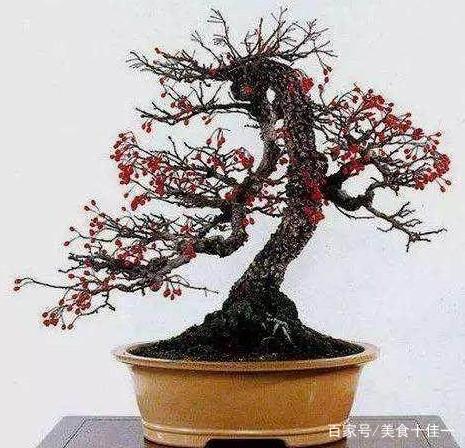
To master bonsai, you need to grasp these bonsai styling techniques
Xiao Bian believes the most essential skill in bonsai is planting, followed by pruning, wiring, root lifting, grafting, carving, and so on. ...
-
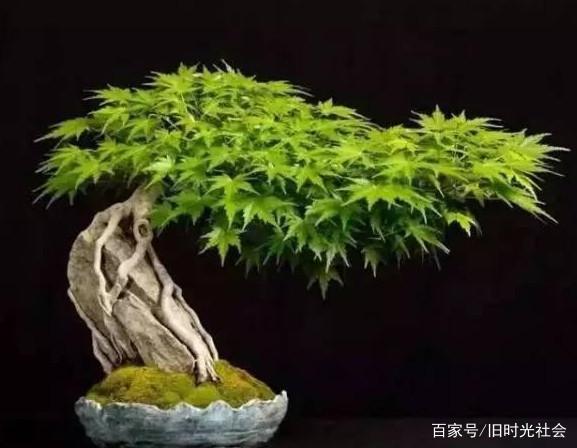
Bonsai styling without begging others for help - after reading this, you too can become a bonsai expert
1. Roots The roots of a tree are the roots of a potted plant, and they are very important. After a stump comes down from the mountain, the roots must be cut first, and then the trunk. Cutting the roots means making the rough roots as short as possible while ensuring survival. The hidden wording must be smooth and fluent. Many people like rooted plants. Their partners may or may not mention this. No matter what they do, they must ensure that they can see the roots on the surface of the pot.
-
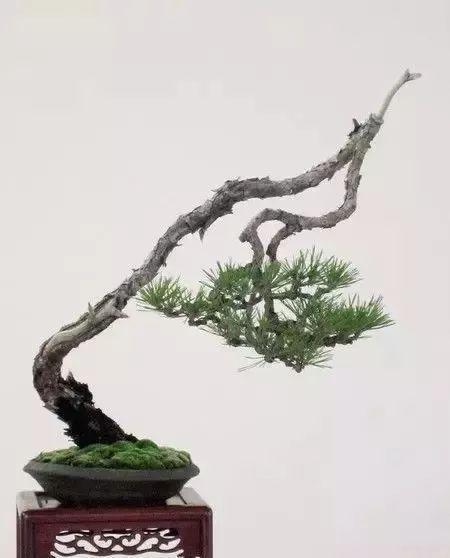
Penjing (bonsai) styling values the beauty of the strange, the vertical and the abrupt.
Of the Strange and the Abrupt: On Penjing The vigorous life of a strange and abrupt penjing blooms in the study ...
-
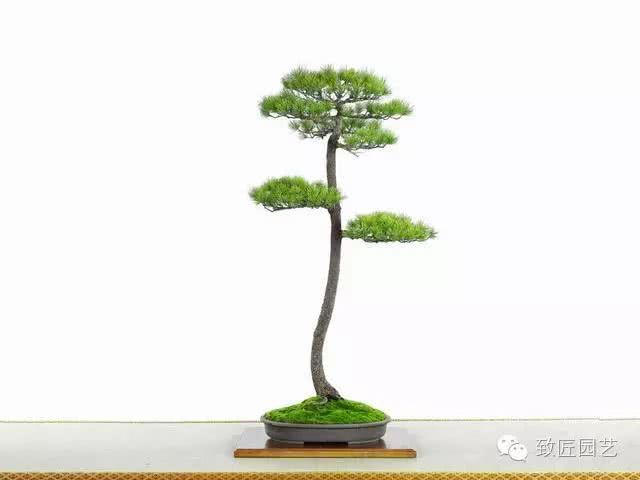
An introduction to the styling characteristics of five-needle pine literati bonsai
Literati style is a special form of expression within literati bonsai: the trunk is lean, vigorous and ruggedly simple, the branch structure is concise and crisp, and the style prizes elegance and archaic simplicity, emphasizing strength of character and spiritual resonance, carrying the symbolism of traditional Chinese literati value standards. Today we bring literati...
-
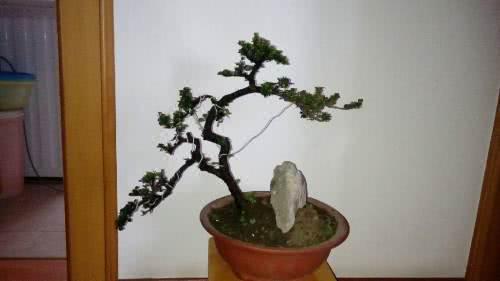
Lycopodium clavatum styling and care tips: this is the more sensible way to grow it
Lycopodium clavatum is a relatively easy plant to grow, and its requirements for soil are not very high, making it well suited to growing in sandy loam with good permeability. It is also drought tolerant, and during its growing period, if it is not especially dry, it basically needs no watering...
-
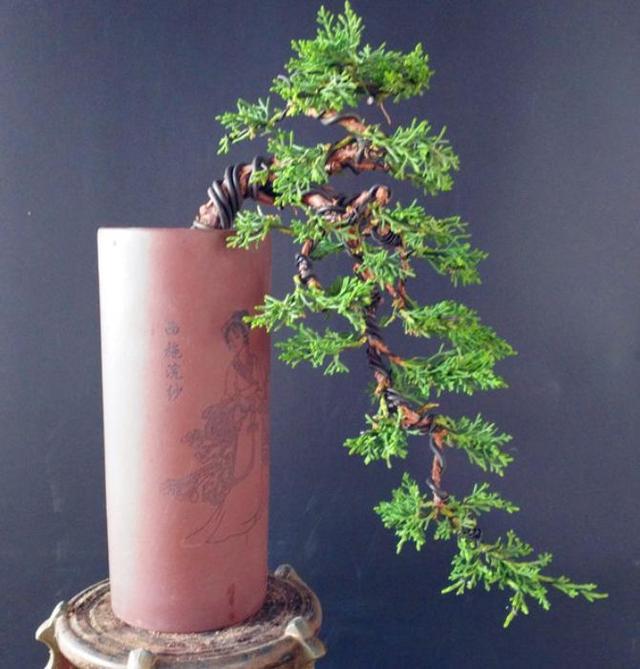
The styling of cascade bonsai emphasizes seizing the momentum by overhanging into space
Cascade bonsai that seize the momentum by overhanging into space. Cascade bonsai generally include semi-cascade, full-cascade and inverted-hanging styles, etc. (1) Semi-cascade bonsai: the entire tree extends beyond the pot, but the tree body does not drop below the pot surface, either the trunk extends horizontally, or because the trunk is relatively short while the first branch is thicker and longer, thus seizing the momentum by overhanging into space.
-
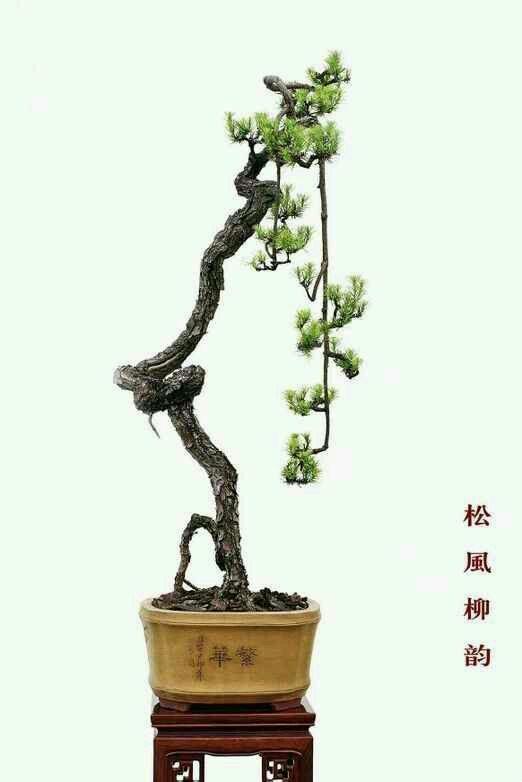
How to create a cascade branch in bonsai? A detailed explanation of the styling method
In bonsai styling, we sometimes see a type of branch technique, namely the "cascade branch." The cascade branch is often used for raw material with a tall trunk base and an empty lower section, and it can play a role of "turning the rotten into the magical." The cascade branch technique, in bonsai styling, is...
-
Bonsai teaching: Master the principles of branch point distribution in styling
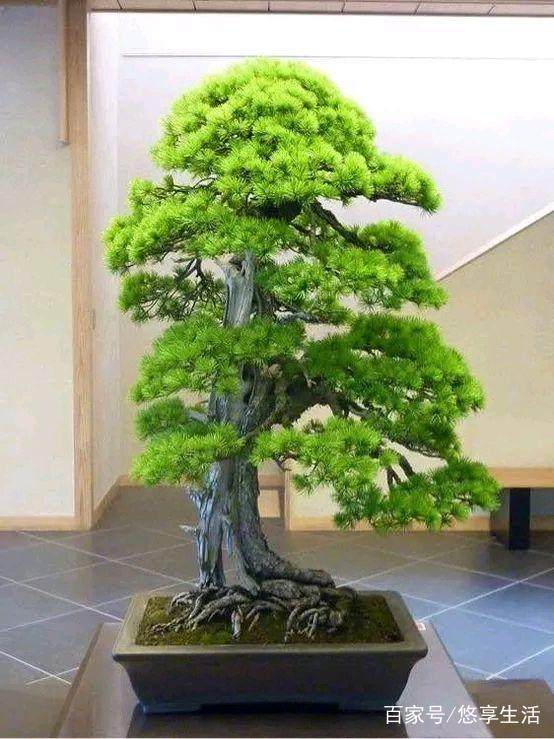
In the appearance of a bonsai, branches are the primary external element. Clever branch distribution and manipulation can increase the length of the embryo and avoid the embryo's shortness. If the branches are unevenly distributed, the entire bonsai gives people a sense of beauty. Here, let us...
-
The formal and stable styling of the formal upright bonsai
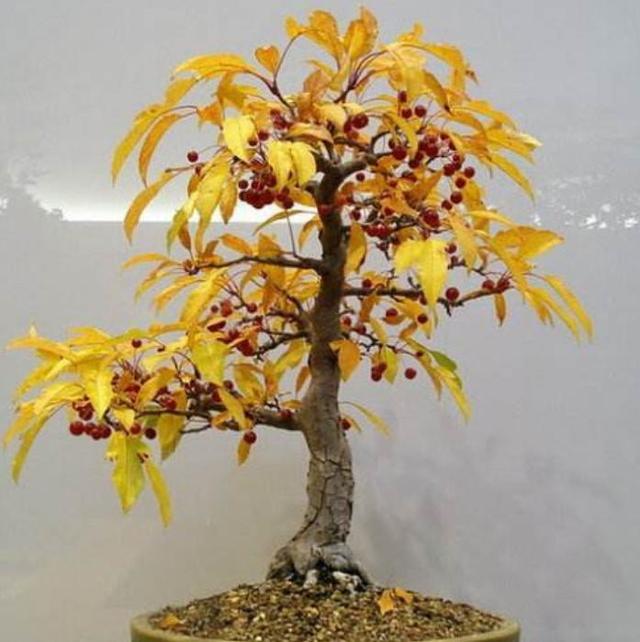
Formal and stable formal upright bonsai The best state for the roots of a tree in a formal upright bonsai is for thick roots to extend in all directions, fully displaying a formal and stable appearance with a spirit of standing firm between heaven and earth. Branches extend in all directions, with rich layers and strong branch momentum. Branches should preferably...
条件筛选