-

A Detailed Explanation of the Artistic Characteristics and Techniques of Lingnan Penjing Styling
Lingnan penjing is one of the outstanding traditional arts of the Han Chinese and a treasure of garden art. It originated in the Ming and Qing dynasties, but its distinctive style took shape only after the founding of the People's Republic. The area where penjing is cultivated, centered on Guangzhou, extends across the Pearl River Delta and the south-central region of Guangxi. Guangzhou penjing is an important component of Lingnan penjing.
-
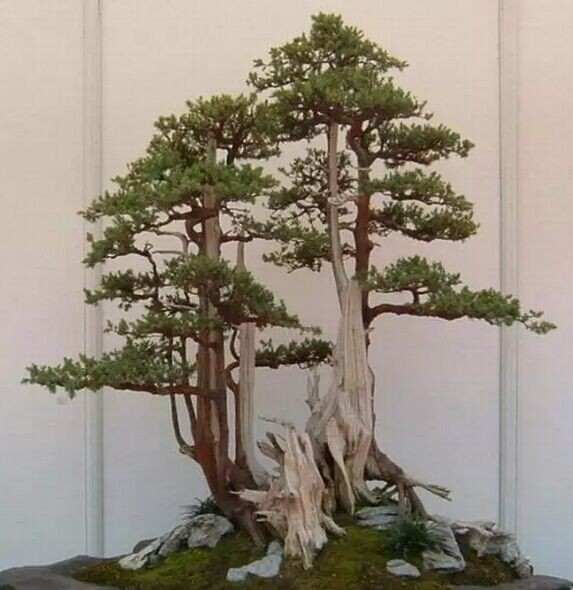
Detailed Explanation of the Unique Styling Structure of Suzhou-Style Penjing
Suzhou is situated on the shore of Taihu Lake, with clear waters and verdant hills, picturesque scenery, a humid climate and abundant rainfall. The variety of plants available here for making penjing is extremely rich. Suzhou also abounds in various rocks suitable for landscape penjing, such as the exquisitely intricate Taihu stone, Kunshan white stone, Suzhou yellow stone and so on.
-
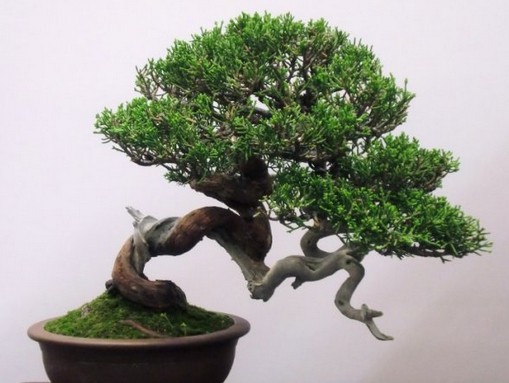
A Detailed Guide to Tree Species Selection and Styling Techniques of Suzhou-Style Bonsai
Suzhou-style bonsai is one of the five major schools of Chinese bonsai and consists of two parts: tree stump bonsai and water-and-stone bonsai. The most common varieties for tree stump bonsai include pines and cypresses, Chinese sweet plum (Sageretia thea), elm, boxwood, trident maple, Chinese fringeflower (Loropetalum chinense), crape myrtle, pomegranate, ginkgo, and others.
-
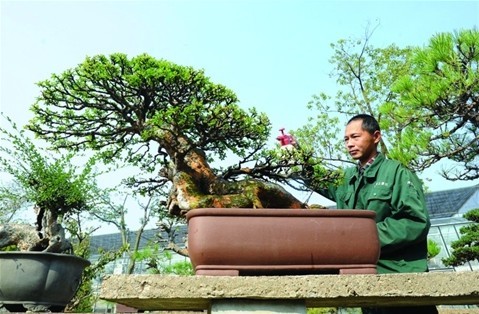
Suzhou Bonsai Styling Techniques: A Detailed Explanation of Pruning Key Points
Suzhou bonsai styling techniques place very high demands on pruning. There are mainly two types of pruning techniques: dormant-season pruning and growing-season pruning. Dormant season: mainly carried out in winter, beginning after leaf fall and ending before spring bud break.
-
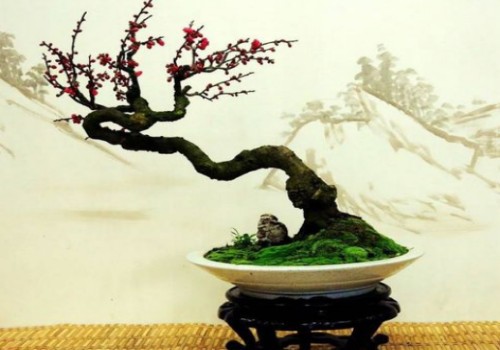
Plum Blossom Bonsai Styling Techniques: How to Create a Fine Plum Blossom Bonsai
The plum blossom not only has a long history in our country but also carries rich cultural heritage, making it an excellent material for creating bonsai. And appreciating plum blossoms should naturally not be separated from the history and culture of the plum, and what plum blossom bonsai pursues is beauty of form, beauty of artistic conception, and beauty of harmony. Therefore
-
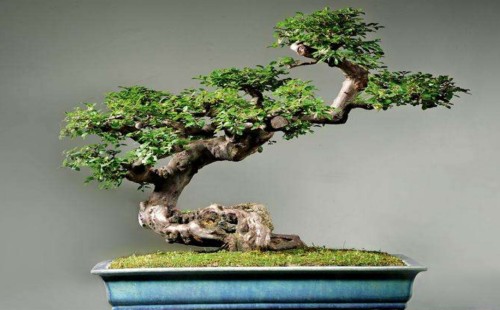
How to Shape a Sageretia Bonsai? Detailed Explanation of Styling Methods
A good shape is an important element of an excellent bonsai, and the styling of a bonsai is not only endlessly varied and changeable, but also an important aspect that reflects its value, especially for tree bonsai. But the shape of a tree bonsai is generally formed through later processing and shaping. Sageretia (Sageretia thea) is a typical tree species for making tree bonsai.
-
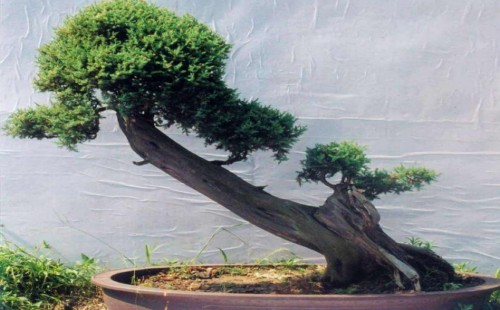
Detailed Explanation of the Styling Methods and Techniques for Slanting-Trunk Bonsai
There are many styles of tree bonsai, and the slanting-trunk style is one of the more common styling forms. Slanting-trunk bonsai has a tilted straight trunk, with roots gripping the ground firmly, and the center of gravity leaning to one side, making it look very steep and perilous. Although the straight trunk of a slanting-trunk bonsai is in a tilted state, its roots and base grip the ground firmly in the direction opposite to the straight trunk
-
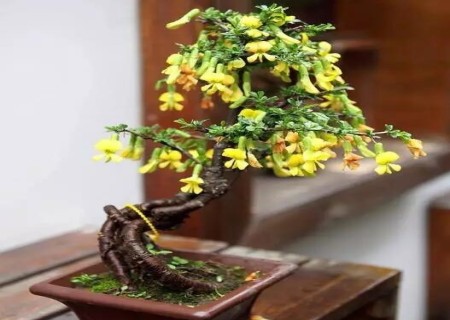
How to Expose the Roots of a Broom (Genista) Bonsai for Styling? A Complete Guide to the Methods
Broom (Genista) is famous for its flowers that bloom in the shape of a bird soaring on outstretched wings, and its bright, striking colors bring vibrant life to any setting. The roots of broom are even more gnarled and powerfully rugged, and they are highly flexible, making them easy to twist into shape, which makes it an excellent species for creating bonsai. So a broom bonsai is not only enjoyed for its flowers
-
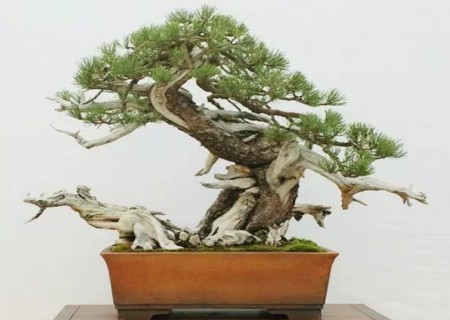
Detailed explanation of pine bonsai styling techniques, easily create a beautiful tree shape
Pine bonsai works are created with grandeur and masculine energy as their main expressive characteristics. They love sunlight yet have strong drought tolerance, and prefer to grow in soil environments with excellent breathability and drainage. The styling process of pine bonsai is a process of completing artistic creation
-
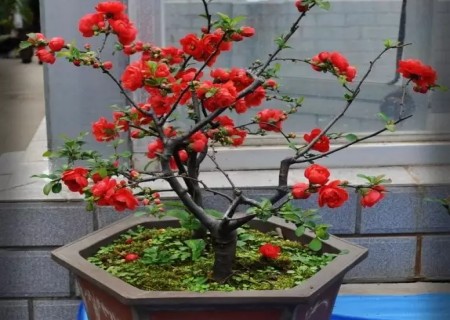
Detailed Explanation of Crabapple Bonsai Styling Methods and Techniques
The crabapple has graceful flowers, with brilliant blooms in spring and abundant red fruit in autumn, dainty and lovely. It not only provides beautiful flowering and fruit-bearing tree species for park landscaping, but is also an ideal bonsai material. However, crabapple bonsai tree shapes are mostly made into slanting-trunk style, curved-trunk style, or cascade style. Emphasis should be placed on expressing the vigorous yet supple character of its branches.
条件筛选