-
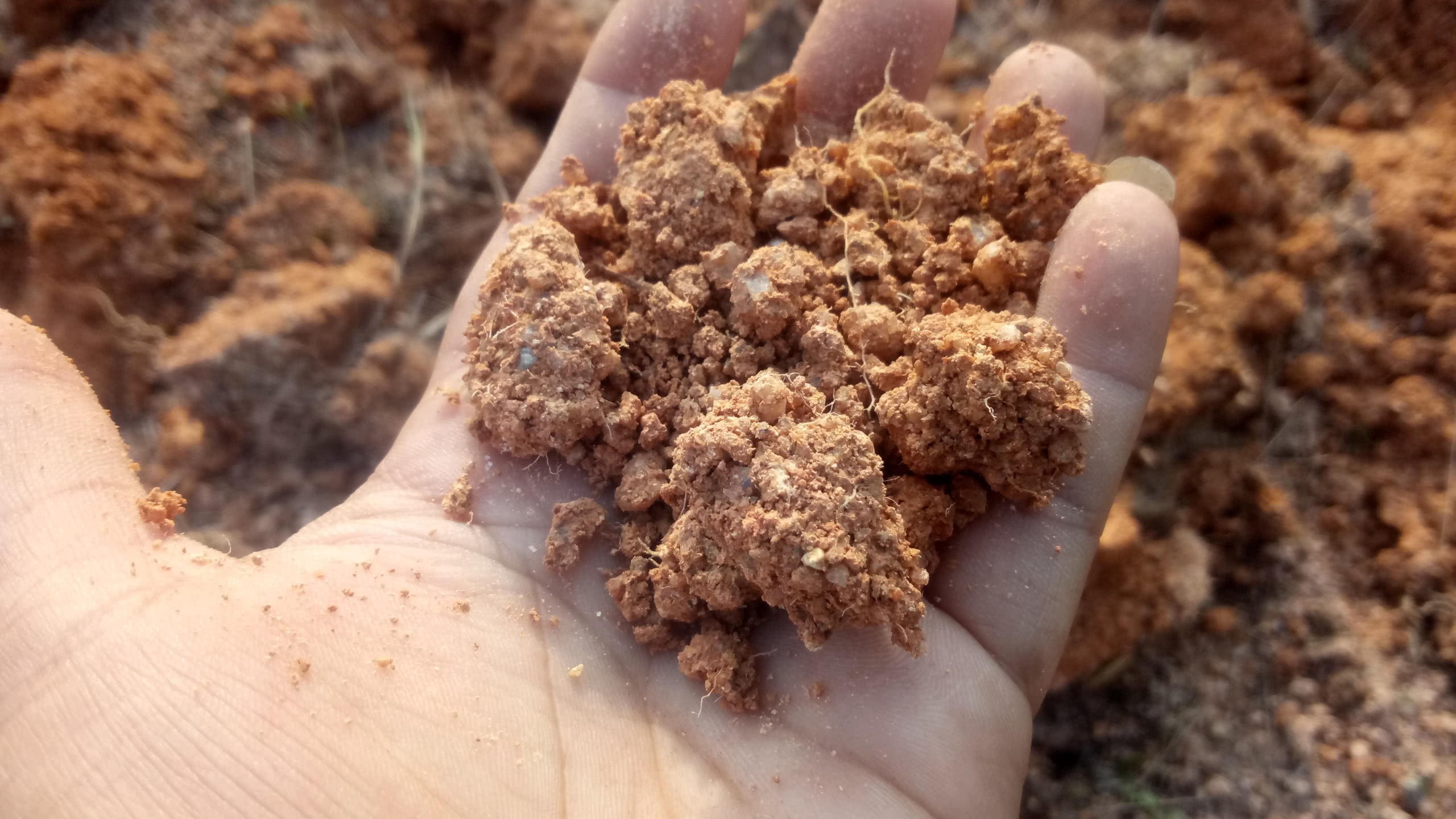
A detailed explanation of the whole soil improvement process: methods and steps clearly explained in one go
Soil environment: too much sand and gravel, acidic and clayey, prone to compaction, very poor water permeability and aeration, poor aggregate structure and cation exchange capacity. Plants grow weakly, flowers are weak, and they do not tiller or branch easily. Weeds are severe. The original soil here has been planted too many times...
-

Do one extra step when repotting, and you won't get root rot for 10 years; the leaves will be lush green and it will bloom nonstop through all four seasons
When growing plants, first grow the roots. Only when the roots are healthy can the plant flourish with lush branches and leaves, green foliage and bright flowers. There is an old saying in China: "deep roots, lush leaves; a firm base, thriving branches" - that is exactly what this means. Even for succulents and pothos, which are easy-care plants, if the roots are unhealthy, the branches and leaves above the soil...
-
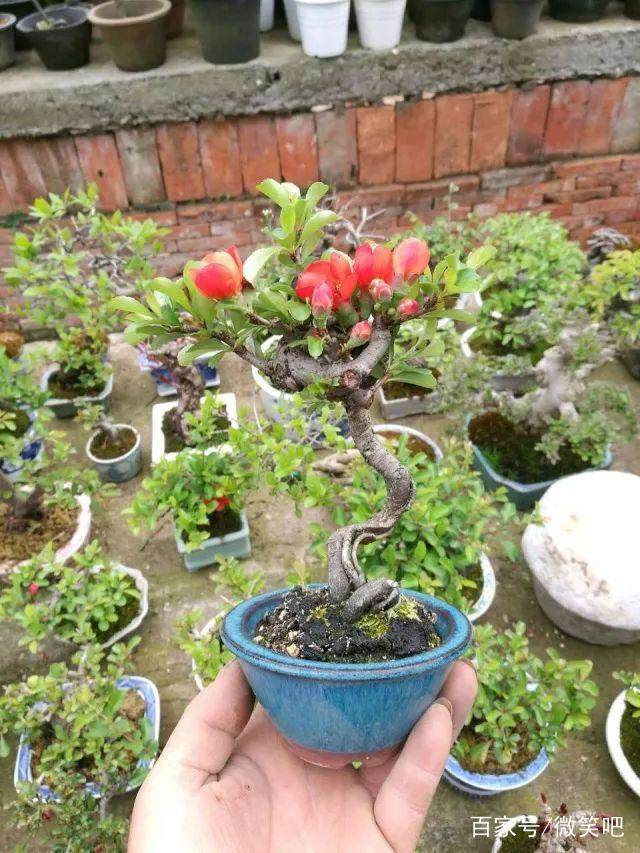
How does a rotten tree stump become a bonsai artwork? Just three steps
All art is inseparable from concept. In fact, life is full of art, especially for those who love bonsai. Do friends in Taiwan, China who love bonsai feel this way? Many times, the bonsai material is very good, but I don't know how to start. Besides...
-
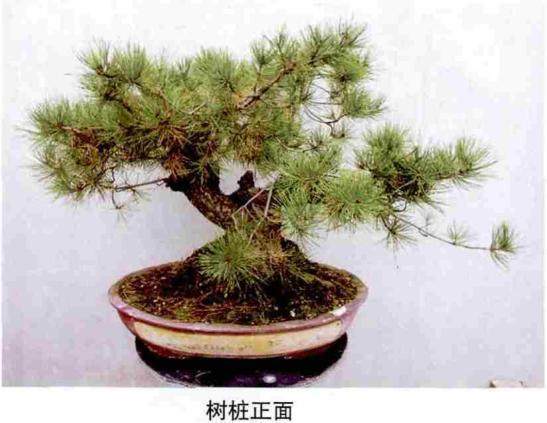
How do you make a black pine bonsai? A master teaches you step by step
I first got a black pine tree, slanting curved trunk style, and it has been kept for more than two years. The tree shape is chaotic, with a tangled branch on the side, and dense dry branches, becoming fewer and fewer. The plant's roots and trunk are relatively thick, and from the roots upward, the scales are stacked. They are simple yet full of vitality. Preliminary idea: there are multiple branches at the top of the crown, which can be handled by layering. The overall trend of the whole tree is twisting and turning. The upper branches and foliage are mainly "gathered." The lower layer of the upper branches and the upper branches and foliage form a preliminary shape, change the pot (fill the pot with soil), and clean the pot surface into a "scattered" style. The whole tree shape is imposing and can be used as a "cloud type." The upper and lower branches of the rear tree are horizontal and level, and the lower branches have already turned toward the front side, becoming candidate "floating branches." The longer side branches at the upper top can be transferred to the "extension branch" of the trunk for use at the top, and the remaining branches are cut and trimmed into cloud-like side branches.
-
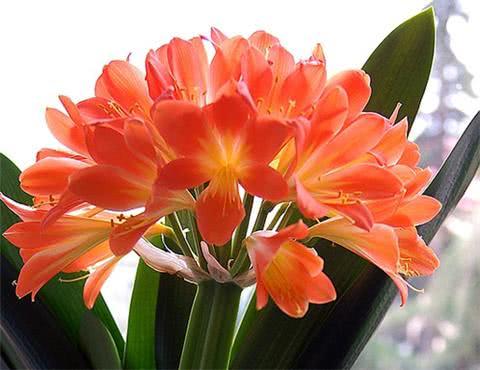
For clivia, just do this one step well, and the leaves will be green, the roots strong, and the flowers will burst into a full pot
Clivia has broad, thick, glossy green leaves and elegant red flowers that bloom gracefully, with red and green setting each other off beautifully, making it an ideal potted flower for beautifying the home. Below is an introduction to the method of repotting clivia! Method of repotting clivia (1). Take out the plant. Clivia's fleshy roots are thick...
-
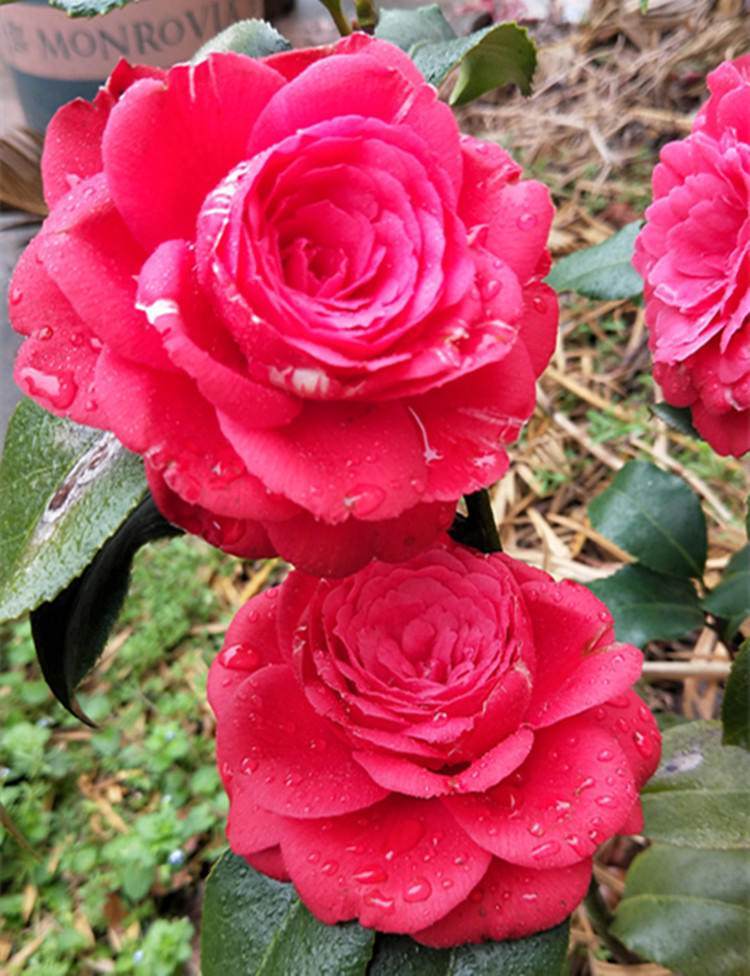
Follow these 3 steps for growing camellias, and they will bloom better and better
Camellia has large flowers and brilliant colors. A single camellia, if grown well, can cover the whole tree in blooms, which is especially spectacular. However, during care, gardening friends often overlook these 3 steps. Now I am sharing them with everyone. Do them well, and your camellia will bloom abundantly...
-
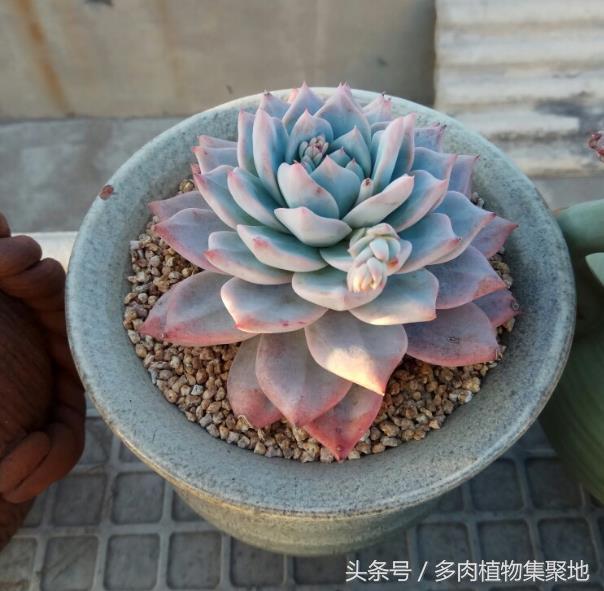
What to do about root rot after fertilizing succulents? Simple steps to make the roots strong
Fertilizing succulents in the wrong season, or fertilizing too much, can cause root rot. Why should succulents be fed with light fertilizer frequently? This comes down to the growth cycle of succulents: the greater the daily temperature difference, the faster they grow. Wait until the potting soil...
-

The correct method and detailed steps for trimming orchid roots
First, you need to sort the roots, separating healthy roots from unhealthy ones. As long as there are more than four good roots, you can remove all the other rotten roots. At the same time, remove its leaf sheaths, otherwise many parasites will hide inside them. Some broken roots that are still fairly fresh do not need to be trimmed.
-
The "Seven Care Steps" and "Four Defenses" of Spring Orchid Care
The "Seven Care Steps" and "Four Defenses" of Spring Orchid Care...
-

Don't throw away leftover fruit - grow a beautiful potted plant in just a few simple steps
Yanghua Daquan Subscription Account, click to follow, Huahua teaches you how to grow flowers! What do you do with leftover fruit? Today Huahua teaches everyone a way to turn waste into treasure - with just a few simple steps, you can turn leftover fruit into a beautiful potted plant!...
条件筛选