A detailed explanation of the whole soil improvement process: methods and steps clearly explained in one go
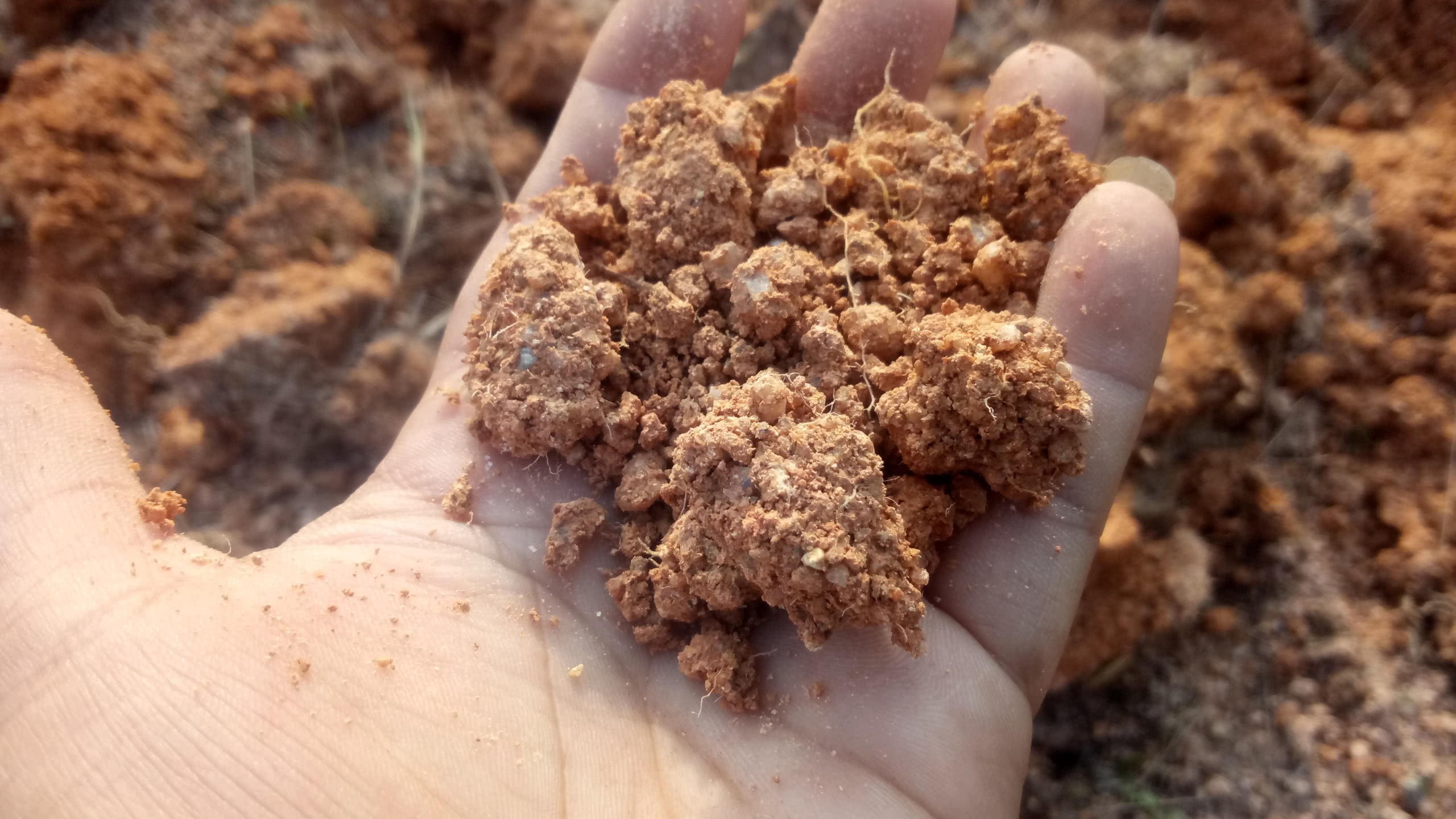
Soil environment: too much sand and gravel, acidic and clayey, prone to compaction, very poor water permeability and aeration, poor aggregate structure and cation exchange capacity. Plants grow weakly, flowers are weak, and they do not tiller or branch easily. Weeds are severe.
Many kinds of plants have been grown in the original soil here, and all of them grew poorly. Therefore, after analyzing the soil properties, soil improvement was carried out.
First, deep plow vertically 30-40 cm; if there is a deep plow or tiller, 40-50 cm is recommended. Spacing 10 cm.
Crush the large clods of soil and remove the garbage and stones inside.
Apply organic fertilizer, or fully decomposed farmyard manure (earthworm castings) is also fine (if not fully decomposed, it is easy to get pests and diseases). I used organic fertilizer, 35 grams per sq m.
After spreading evenly, add a certain amount of medium-fine sand, which can effectively improve water permeability and aeration and improve the clayey nature of the soil itself. (Unlike the sand component already in the original soil, the externally added sand is mostly inorganic sand.)
Level it. After leveling, open furrows transversely; for depth and method, refer to the vertical direction.
Open furrows transversely and turn the soil, following the requirements and method of the vertical direction.
Apply calcium-magnesium fertilizer, which can effectively improve soil acidity, 35 grams per sq m, or spread quicklime, 50 grams per sq m. Too much will damage plant roots, and too little has little effect.
Rake level and tidy the surrounding area. Smooth out a slope that is conducive to drainage. When the area is large, the procedure for mechanical operation is the same.
If conditions permit, soil disinfection can be carried out, using either methyl bromide or dazomet. It has a very good killing and inhibiting effect on weed seeds, harmful bacteria, soil-borne diseases, and nematodes in the soil.