-
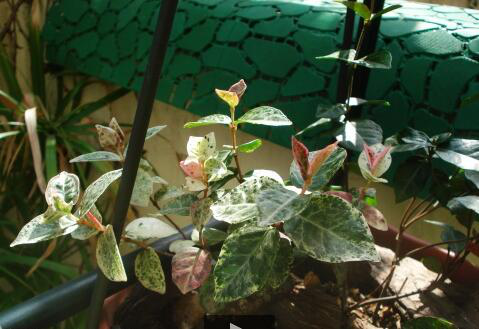
How to Propagate Variegated Star Jasmine by Layering? Detailed Method and Steps
For layering propagation of variegated star jasmine (Trachelospermum jasminoides 'Variegatum'), you can choose either mature branches or new tender shoots. Generally, in spring it is best to choose mature branches for layering propagation, while in summer, new tender shoots are used for propagation. When layering, press the branches of variegated star jasmine that have root fibers into the soil, water and fertilize appropriately, and the branches will gradually take root.
-
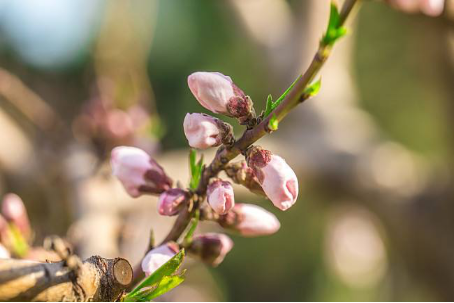
How to make a peach blossom bonsai? A complete step-by-step guide
When making an ornamental peach blossom bonsai, the first thing is styling: prune rationally according to the plant's growth so the branches are distinct in their twists and turns, and promptly remove messy branches to keep the bonsai looking attractive. Shaping is also essential, and you can add small accessories on the pot surface as needed
-
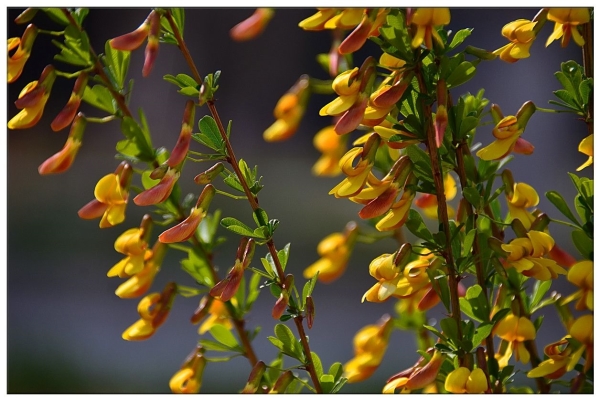
Detailed Guide to Making a Caragana Bonsai, Step-by-Step Instructions
For material, generally choose young seedlings of Caragana grown for bonsai through cuttings or layering, because such branches are slender and supple and easy to cultivate into potted plants. Alternatively, choose old, multi-year stumps with graceful form, which can achieve the effect of rapid shaping. As far as possible, in the dormant period or the rainy season, dig out the Caragana plant.
-
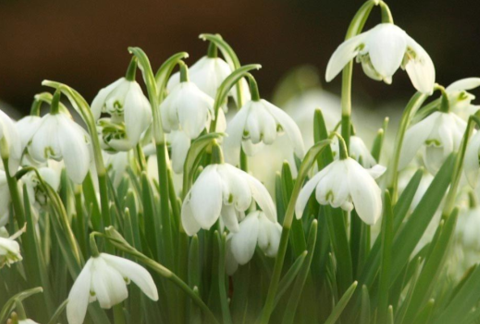
How to grow snowdrops? A step-by-step guide to the growing method
1. Light: Snowdrops do not have high light requirements. In spring, autumn and winter, let them receive direct sunlight often. In summer, when temperatures are high, provide a small amount of appropriate shade to benefit the plant's growth. 2. Temperature: The suitable temperature for snowdrop growth is 15-28°C. They are relatively cold-tolerant but not heat-tolerant, so pay attention to cooling in summer.
-

A detailed guide to the steps of propagating blue-eyed daisy (blue marguerite) from cuttings, so you can easily master the propagation method
1. Cutting time. The blue-eyed daisy (blue marguerite) dislikes heat, so when we take cuttings of it, we must avoid the high-temperature summer season, because the weather is hot in summer and taking cuttings at this time will greatly affect the survival rate of the blue-eyed daisy. Therefore, the best season for taking blue-eyed daisy cuttings should be spring
-
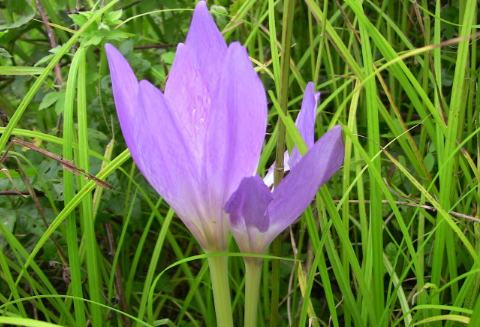
How to grow Colchicum autumnale in water? Detailed steps of the water culture method
1. First, peel off the brown skin of the Colchicum autumnale bulb until the ivory-white part is exposed, then gently score a cross on the upper part of the bulb, being careful not to damage the flower buds, and soak the cut side facing down overnight. 2. Then plant the bulb in a water container, with just enough water to cover the bulb.
-

How to grow a king protea? A step-by-step guide to its care
First, soil selection: The soil for planting king proteas needs to be loose, well-draining sandy soil, which is beneficial for the growth of the king protea. Second, ample sunlight: King proteas like an environment with ample sunlight, so make sure the king protea gets enough light; it is generally placed on a balcony or in a ventilated, sunny spot
-
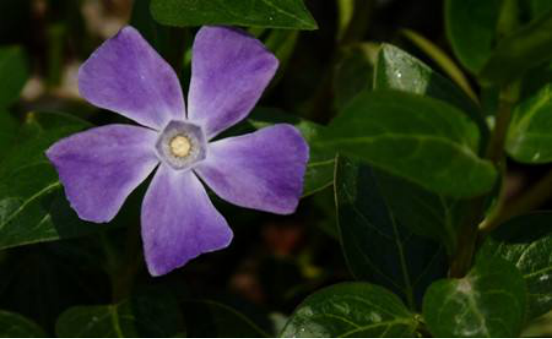
How to propagate creeping myrtle (Vinca) from cuttings? Full breakdown of every step
1. Soil Before propagating creeping myrtle from cuttings, prepare the soil or sand bed for propagation; it generally needs to be breathable, well-draining soil, and the potting mix can be made by combining garden soil, leaf mold and furnace slag. Water it lightly, just enough to keep the soil moist. 2. Season It is best to take creeping myrtle cuttings in spring or early summer
-
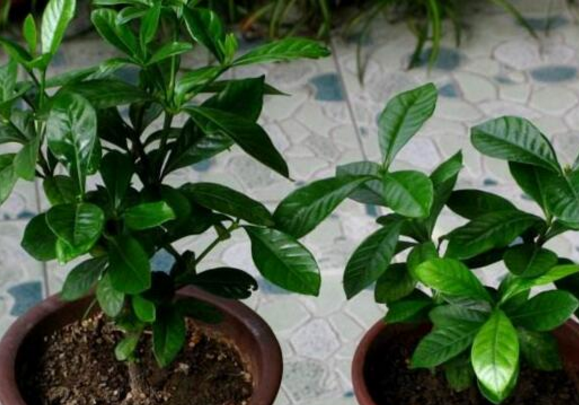
Detailed Explanation of Gardenia Cuttage Methods and Steps
Timing for Gardenia Cuttage The usual time for gardenia cuttage is mid-April, when the temperature is very suitable for gardenia rooting. It can also be done at other times such as June, August, October, and November, but because the temperature is harder to control, the survival rate will be greatly reduced. Specific cuttage methods: soil cuttage
-
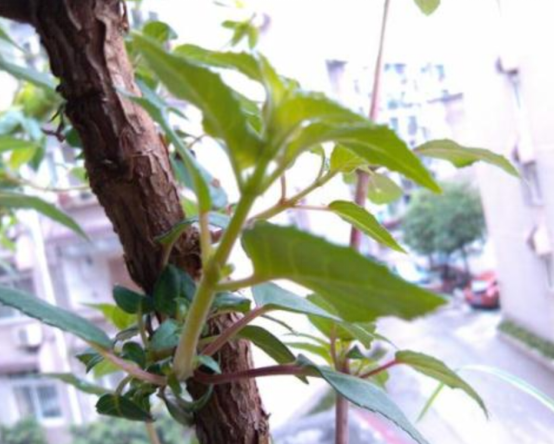
Detailed steps for taking fuchsia cuttings, even beginners can learn
1. Cutting time. Fuchsia has extremely strong survival ability and can be propagated from cuttings in all four seasons, but spring is best, because spring is the season of the most vigorous growth for fuchsia, and the temperature is neither cold nor hot, so the survival rate from cuttings is also the highest. Winter is the least suitable time for cuttings, and failure is very easy.
条件筛选