-

How do you tell sulfur-fumigated jujubes apart? Remember these three steps: one look, two peel, three taste
Summary: How do you tell sulfur-fumigated jujubes apart? Just three steps: "one look, two peel, three taste." At present, the Xinzheng jujubes and Shanxi red jujubes have all been harvested, and the jujubes of southern Xinjiang have also entered the harvest season. Jujubes at this time of year are truly...
-

A detailed guide to watermelon cultivation methods, teaching you how to grow watermelons well step by step
Watermelon cultivation methods
-

Detailed explanation of lucky bamboo water culture methods and steps
1. At the beginning of growing it, cut off the leaves at the bottom to prevent them from inhibiting the bamboo's own growth. The specifics depend on the size and length of the bottle, and be sure to cut off the leaves below the bottle opening. Also, cut off a small section from the bottom of the root at an angle, and make sure the cut is smooth, so that the lucky bamboo can absorb water better.
-
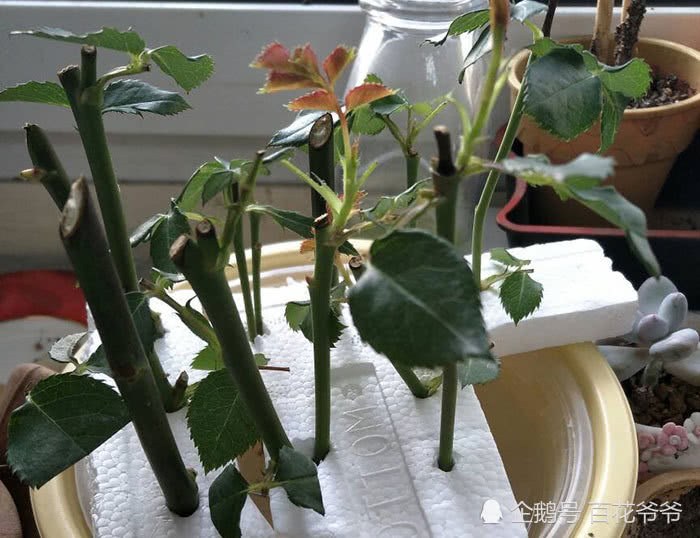
Rose cuttings won't root? Soak the stems in water and do this one extra step, and they'll be covered in roots in 30 days
Recently some gardening friends left comments saying that when they took rose cuttings, the stems wouldn't root. They'd see new shoots sprouting, but within a few days the cuttings wilted and simply wouldn't survive. Actually, in terms of temperature, spring is a more suitable time to take rose cuttings. It's almost early winter now...
-
How to grow Alocasia macrorrhizos (giant taro) hydroponically? A detailed guide to the complete steps
1. Take a potted plant directly and wash it clean; for hydroponics, it is best to choose an Alocasia macrorrhizos with an attractive plant shape and many branches. 2. Cut the plant back from the base at about five cm above the soil surface, and use stem cuttings to promote rooting. 3. Take the small leaf-bearing Alocasia macrorrhizos that sprouts around the tuber. 4. When the fruit ripens in autumn, harvest the orange-red seeds
-
How to grow a money tree in water? Detailed steps that are easy to understand at a glance
The money tree is a plant that is grown in water, has great ornamental value, is relatively easy to cultivate, and can purify indoor air. In the early stage of growing a money tree in water, pay attention to changing the water in time and pruning the roots. After it has rooted, keep paying attention to details such as light, water, and temperature
-
Detailed explanation of the hydroponic method and steps for narcissus
Actually, growing narcissus hydroponically is very simple. You only need a flowerpot, some water, and some narcissus bulbs, and that is enough. When the sunlight is good, you can put them out in the sun to bask, but at night you must bring them back inside and pour out all the water in them, otherwise they may only grow leaves and not bloom
-
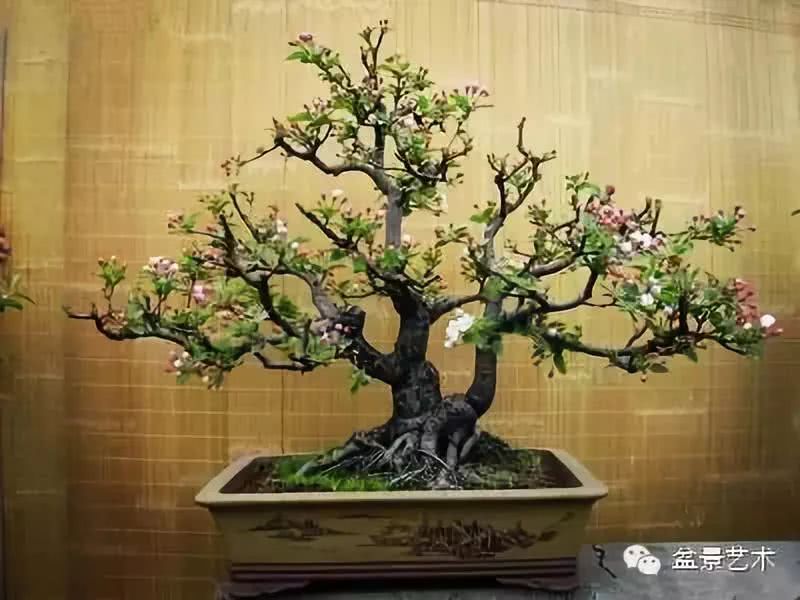
Detailed Guide to Making a Peach Bonsai: Methods and Steps
Peach is a deciduous small tree of the genus Prunus in the rose family (Rosaceae). The flowers are solitary, pink, blooming from March to April, opening before the leaves. The fruit ripens from June to September. Peach trees love sunlight, tolerate drought, and prefer fertile, well-drained soil. They are not tolerant of waterlogging; if soaked for 3-5 days, they may drop their leaves in mild cases or die in severe cases. Alkaline soil and heavy clay soil are both unsuitable for peach tree growth. Peaches enjoy high summer temperatures and have a certain degree of cold hardiness, but fear late frosts. They are best planted in a sunny location. The methods for making and cultivating a peach bonsai are as follows:
-
How to graft a kapok tree? A step-by-step guide to grafting techniques
After the Beginning of Spring, it is a good time to graft kapok trees. Let's take a look at the grafting techniques for kapok trees below.
-

Stir-fried potato shreds need just this one extra step to be crisp, tastier and non-stick
Excellent Mom Knowledge Class shares rich and interesting parenting knowledge! Teaches you to be an excellent good mom, accompanying your child to grow up healthy and happy! Follow Potatoes are the ingredient we eat most often. They can not only be stir-fried on their own, but also used as an ingredient, ...
条件筛选