-
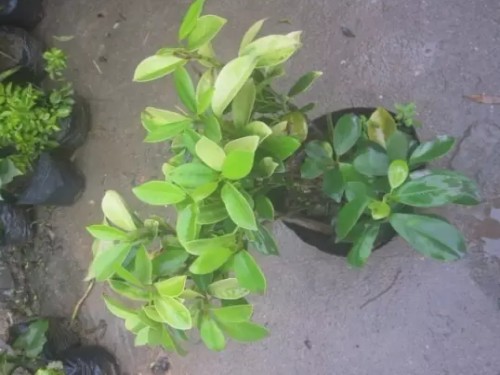
What to do when the leaves of a small-leaf banyan bonsai turn yellow? Causes and solutions
The small-leaf banyan bonsai is also a type of banyan bonsai. It belongs to the mulberry family and its fruit is somewhat spherical. The fruit comes in various colors, mostly red. The small-leaf banyan uses the banyan tree as its basic material and is pruned to achieve unusual forms in the trunk, roots, stems and leaves of the ornamental banyan. But in our daily care process
-
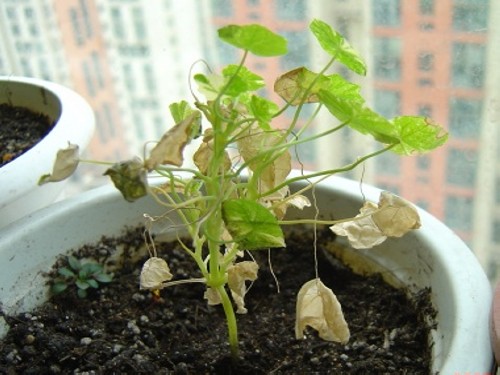
What to Do When Tropaeolum majus Leaves Turn Yellow? Causes and Solutions
Tropaeolum majus, also known as garden nasturtium, can be grown as a perennial in southern China; in North China, it is mostly sown in autumn, grown indoors in pots, and used as a spring-welcoming flower, made to bloom during New Year's Day and the Spring Festival. The leaves are lush and the flowers beautiful, with colors including purplish red, orange-red, and creamy yellow. The trailing stems of garden nasturtium twine and climb, the leaves are shaped like bowl lotus, and when the creamy yellow flowers are in full bloom
-
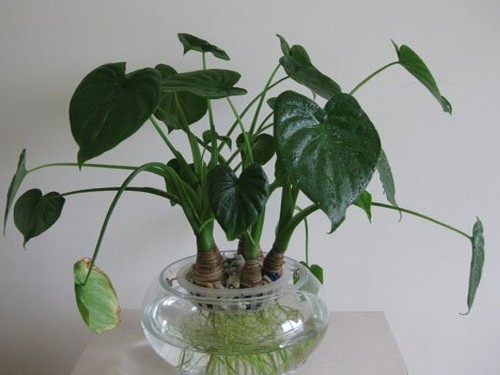
Causes of and Solutions for Root Rot in Water-Cultured Dieffenbachia (Alocasia macrorrhizos)
Many gardening enthusiasts run into the problem of root rot in water-cultured Dieffenbachia. In fact, this situation mostly arises because enthusiasts do not understand water-cultured plants well enough. Many enthusiasts think that simply putting the plant's roots into water is enough, but this is actually wrong. Water-cultured plants must go through a series of steps such as root washing, disinfection
-
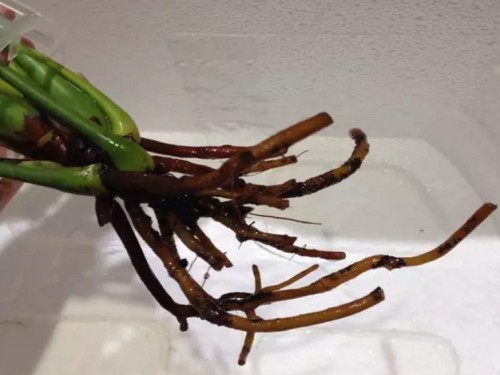
What to Do About Root Rot in Hydroponic Anthuriums? Causes and Solutions
The key to growing Anthurium in water is ensuring healthy root growth. Anthuriums have aerial roots and need plenty of oxygen, but the oxygen in water is far less than in soil, and many factors can cause root rot. Below, we introduce ways to prevent root rot in hydroponic Anthuriums! Hydroponic plants often grow less vigorously than soil-grown ones.
-
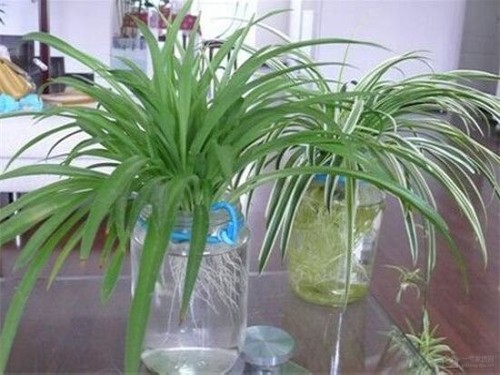
Causes and Solutions for Root Rot in Hydroponic Spider Plants
Spider plant lovers always like to pinch off a few leaves and stems and grow them in water. Careful growers notice that before long, the roots of the spider plant begin to rot. So, what should you do if the roots of a hydroponic spider plant rot? If the roots of the spider plant have already rotted in the water, it is best to first clean the container and the roots of the spider plant, and cut off all the rotted roots
-
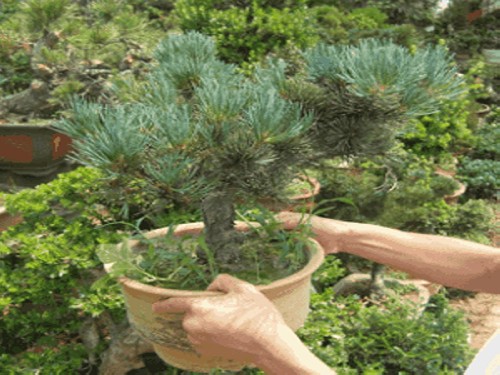
Causes and Solutions for Yellowing Needles on Japanese White Pine
When summer arrives, the Japanese white pine (Pinus parviflora) grown by flower enthusiasts often develops yellowing at the tips of its needles, and after late autumn some needle tips die back, which greatly detracts from its ornamental value. What exactly causes this phenomenon? The Japanese white pine gets its name from its needles growing in clusters of five. The plant is relatively short, grows slowly, has short needles and dense branches, an elegant bearing and a beautiful tree shape.
-
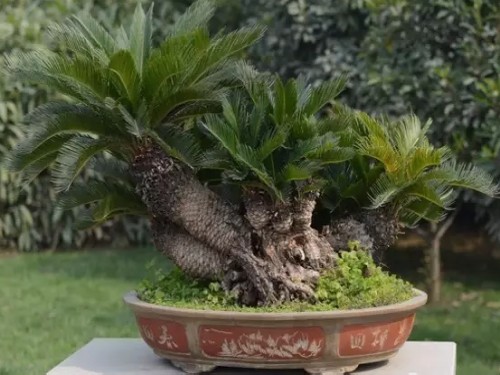
Reasons and Solutions for Yellowing Leaves on Sago Palm Bonsai
As the saying goes, even the sago palm has bloomed. In fact, getting a sago palm to bloom is very difficult; generally only trees that have been grown for twenty or thirty years will bloom, and the blooming period is from June to August. Although the sago palm rarely blooms, its leaves are very impressive and magnificent, so the sago palm is also often kept as an excellent foliage plant.
-
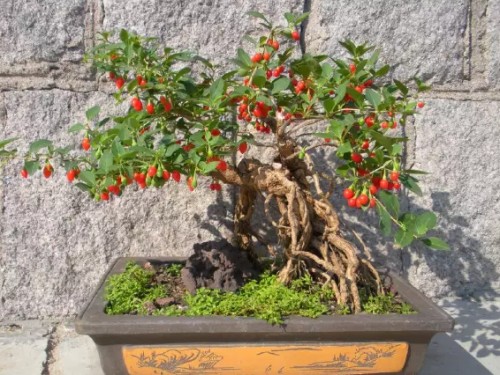
Reasons for Yellowing and Leaf Drop in Goji Berry (Lycium chinense) Bonsai and Their Solutions
Goji berry is a nourishing Chinese herbal medicine. The plant has strong suckering ability, and people have grown it as potted specimens for appreciation since ancient times. Ordinarily, the drooping goji branches look very elegant, its flowers are purple, and after autumn arrives red fruits adorn the branches; it looks great whenever viewed. The goji berry has strong branching ability, and new branches grow vigorously
-
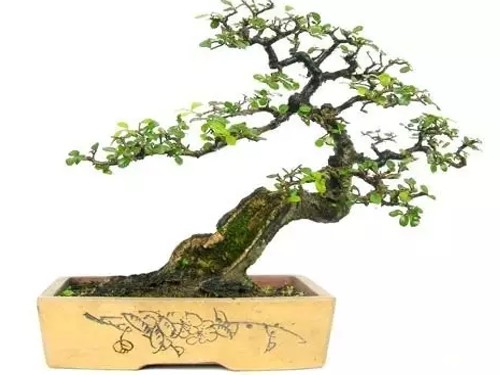
Causes and Solutions for Yellowing Leaves on Elm Bonsai
Elm, especially old elm stumps growing in the wild, has endured years of human chopping and carving, or wind and rain erosion and animal gnawing, gradually forming many different strange postures. Some have gnarled roots and are vigorous and ancient-looking; some turn decay into magic, with dead roots and new leaves, presenting a unique scene, making them excellent material for making bonsai
-
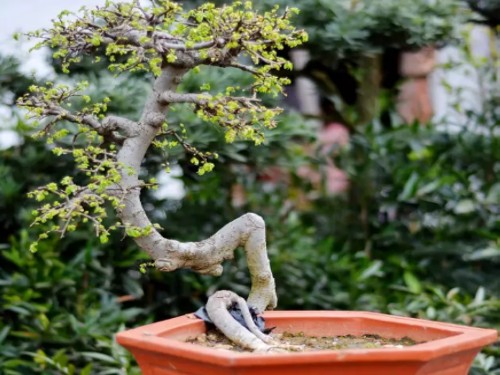
Common Causes and Solutions for Leaf Drop in Elm Bonsai
I bought an elm bonsai a month ago. At first it was fine, but after two days of care it started growing aphids and the leaves withered. Then, following what I read online, I removed all the leaves and sprayed it with Sichuan pepper water. After that it improved and started sprouting new buds. But now for some reason it has started dropping leaves again, and this time there are no pests
条件筛选