-
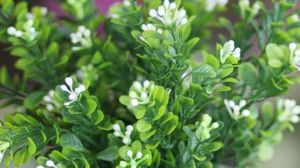
Reasons and Solutions for Yellowing Leaves on Orange Jessamine
There are many reasons why the leaves of orange jessamine (Aglaia odorata) turn yellow: if it is caused by a long-term lack of light, then place it in a spot indoors with plenty of light. If it is caused by watering too frequently, then pause watering first, move it to a well-ventilated place, and wait until the soil dries out before watering again. If it is caused by the soil becoming alkaline, then switch to watering it with water that contains vinegar.
-
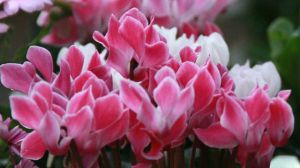
What to Do When Cyclamen Leaves Turn Yellow? Causes and Solutions
There are many reasons why cyclamen leaves turn yellow: if it is caused by too much watering, then reduce the frequency of watering; if it is caused by a lack of light, then move it to a sunny place for care. If it is caused by the growing environment being too dry, then spray some water mist around it; if it is caused by a lack of fertilizer, then apply some fertilizer in time.
-
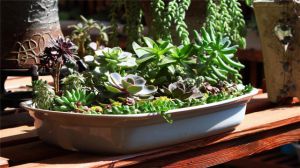
Succulent leaves turning yellow: full analysis of causes and solutions
There are many reasons why succulent leaves turn yellow: if it is caused by insufficient soil drainage, then replace the soil with one that drains well; if it is caused by overwatering, then loosen the soil with a shovel and reduce the frequency of watering. If it is caused by insufficient light, then move it to a spot with plenty of light for care.
-
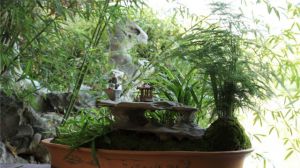
What to Do When Asparagus Fern Leaves Turn Yellow? Causes and Solutions
There are many reasons why asparagus fern leaves turn yellow: if it is caused by not watering for a long time, water it; if it is caused by too much watering, loosen the soil, elevate the pot and place it in a ventilated spot; if it is caused by not repotting for a long time, give it fresh nutrient-rich soil; if the light is too strong, move it to a place in the room where it will not be exposed to direct sunlight for care.
-
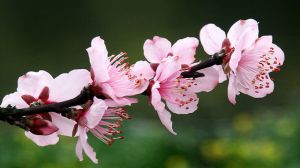
Reasons for Yellowing Leaves on Peach Trees and Solutions
There are five reasons for yellowing leaves on peach trees. The first is excessive pruning, which requires urea foliar feeding. The second is pests and diseases, which require spraying the corresponding agents. The third is insufficient light, so you should provide as much light as possible and prune appropriately to ensure light penetration. The fourth is drought or waterlogging, so you need to maintain a water balance. The fifth is too much fruit set, so you need to thin flowers and fruit.
-
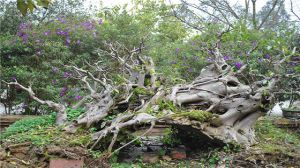
Reasons for Yellowing Leaves on the Lucky Money Tree and Solutions
Generally, there are four situations that cause yellowing leaves on the Lucky Money Tree. First, too much fertilizer, so fertilization should be paused and the plant rinsed with clean water. Second, unsuitable light, so scattered light should be provided. Third, the soil is alkaline, so the soil can be replaced when repotting, and ferrous sulfate should be sprayed. Fourth, it is caused by high temperature and high humidity, so the temperature should be lowered, watering controlled, and attention paid to ventilation.
-
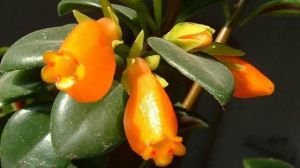
What to Do If the Goldfish Plant Won't Bloom? Causes and Solutions
If the goldfish plant (Nematanthus gregarius) won't bloom, you can try the following methods: first, increase light, and in winter you can place it in the sun all day; second, increase watering and humidity, and watering in winter should not be reduced either; third, increase air circulation, which is good for flower bud growth; finally, appropriately increase nutrients.
-
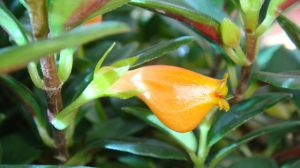
What to Do If the Goldfish Plant Becomes Leggy? Causes and Solutions
If the goldfish plant (Nematanthus gregarius) becomes leggy, you need to pinch back the tops or remove leaves, which can make its stems thicker and stronger and encourage side buds to grow. To prevent legginess, give it more sunlight, but avoid the midday sun. At the same time, pay attention to fertilizing; when there are too many nutrients, you can pause watering and fertilizing, then resume normal fertilizing after a period of time.
-
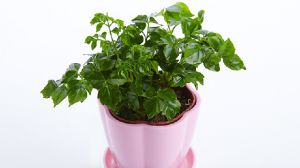
What to Do When Radermachera sinica Leaves Droop? Cause Analysis and Solutions
If the leaves of your Radermachera sinica are drooping, you can try the following methods: First, appropriately increase the amount of light exposure; second, reduce watering and do not let the potting soil become too wet or waterlogged. At this point you can only stop watering, and resume watering once the top 1 cm of the potting soil has dried out somewhat. However, if the leaves droop after repotting, or droop due to natural leaf drop, then no special treatment is needed.
-
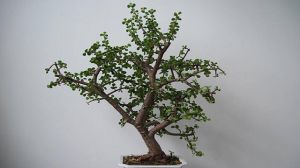
What to Do When the Leaves of the Elephant Bush (Portulacaria afra) Change Color? Causes and Solutions
There are several reasons why the leaves of the Elephant Bush change color, and you just need to treat the cause accordingly. Control watering and provide it with soil that drains well; too much water turns the leaves yellow, so watering only when the potting soil is dry is best. When the leaves turn green, it needs more light; a purplish-brown color is the normal one.
条件筛选