-
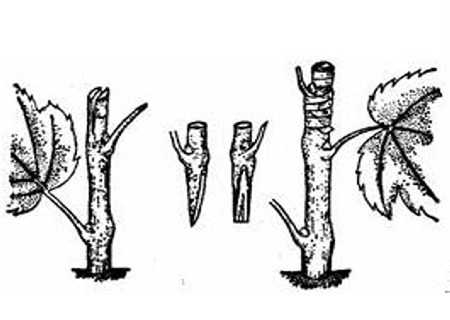
Key Points and Detailed Operation Methods of Softwood Grafting on Pear Trees
Grafting is a propagation method in which a branch or bud from one plant is attached to the branch, trunk or root of another plant so that they form a new plant. The nursery stock produced by grafting is called a grafted seedling. The branch or bud used for grafting is called the scion, and the plant that bears the scion is called the rootstock
-
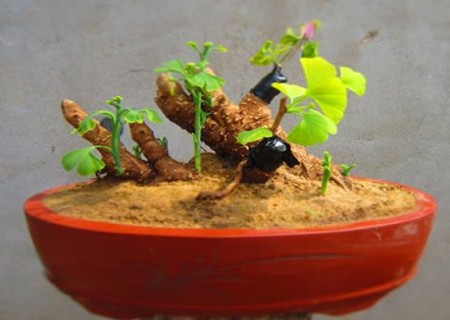
How to grow ginkgo seedlings by grafting softwood twigs? Detailed technical points
Ginkgo is a very ancient tree species, with a history of several hundred million years. Ginkgo has extremely high landscape value as well as economic and medicinal value. Ginkgo is currently planted very widely, and the market supply of ginkgo saplings every year is astonishing. So how is ginkgo propagated artificially?
-
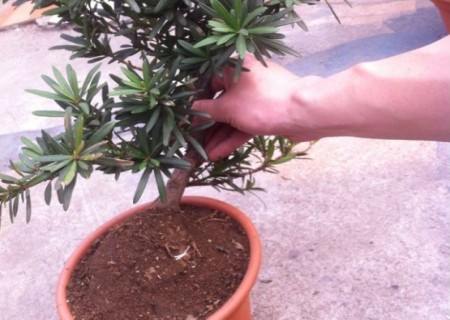
Illustrated Guide to Softwood and Hardwood Cuttage Techniques for Buddhist Pine (Podocarpus macrophyllus)
Good evening, fellow bonsai enthusiasts. I have a bit of free time again today, so I've come back up to discuss with everyone the knowledge of propagating Buddhist pine (Podocarpus macrophyllus) through cuttings. Perhaps, when it comes to propagating Buddhist pine, some enthusiasts grab a hoe and head out to dig up wild mountain-collected stumps, but today this editor is still staying at home practicing basic skills.
-
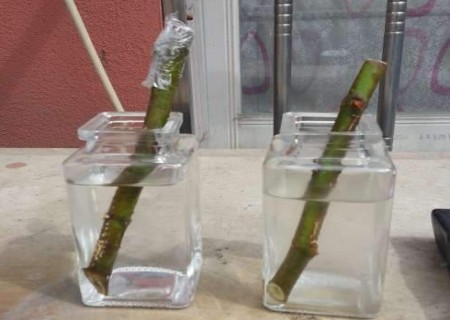
Detailed Explanation of Key Techniques for Softwood Cutting Propagation of Figs
The fig softwood cuttings bought online finally arrived after 3 days. The fig branches were not only softwood cuttings, but also had terminal buds. Because the summer weather was relatively hot and the journey took another 3 days, after receiving the cuttings it was obvious that the cut ends had already turned somewhat black, and the condition of the branches looked quite ordinary
-
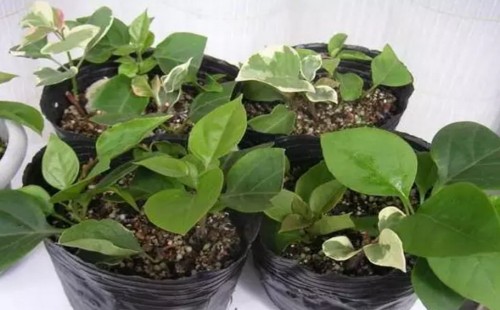
Detailed Guide to Softwood Cutting Propagation of Bougainvillea: Easily Master the Propagation Technique
Potted bougainvillea has extremely high ornamental value, and young plants are generally propagated by cuttings. However, bougainvillea cuttings can be taken either as hardwood cuttings or softwood cuttings. In a previous article, the editor shared with you the hardwood cutting technique for bougainvillea
-

Bonsai Creation Techniques: How to Achieve the Extraordinary Within the Ordinary and the Balance of Strength and Softness
The ordinary and the extraordinary are two different artistic styles and expressive techniques. In bonsai art, some works win by the extraordinary, such as strange peaks, strange rocks, strange trees, strange flowers and so on, and these oddities are relatively easy to see; other works appear ordinary but are in fact extraordinary, and they can make the viewer feel as if eating an olive
-
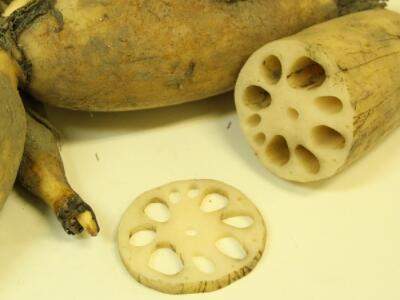
Causes and Control Methods of Soft Rot in Lotus Root, Lettuce, and Romaine Lettuce
Lotus root, lettuce, and romaine lettuce are three crops prone to soft rot during production. So what are the causes, and what control methods are available? Let's take a look below. Causes and control methods of lotus root soft rot. Causes: 1. It is a fungal disease.
-
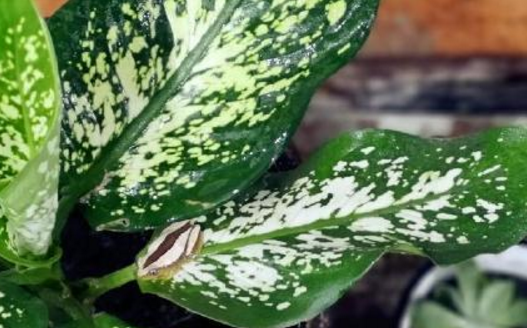
Hydroponic Growing, Soft Leaves and Propagation Methods for Dieffenbachia (Dumb Cane) of the Araceae Family
Dieffenbachia (scientific name: Dieffenbachia picta Lodd.), also known as dumb cane, so what is the hydroponic method for dieffenbachia? What should you do when the leaves go soft? How do you propagate it? According to reference materials, dieffenbachia is a plant native to Brazil in South America.
-
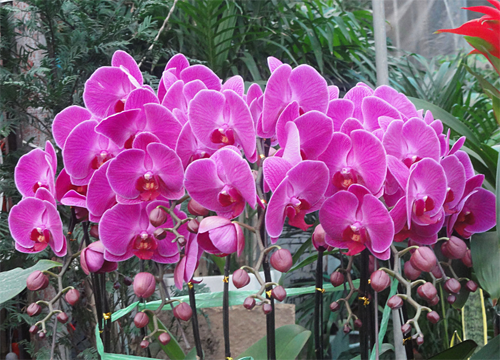
What to Do When Phalaenopsis Leaves Turn Yellow, Soften and Split? Post-Blooming Care Methods
Phalaenopsis flowers bloom on very long spikes, and they are very beautiful when in bloom. What should you do after they finish blooming? If you cut the spike, will it bloom again next year? How did it get to the point where the leaves turn yellow, soften, and even split? How can this be solved?
-
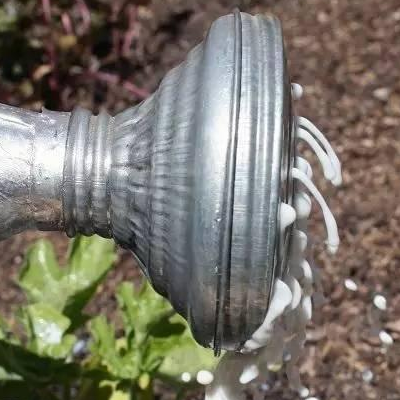
The benefit of using milk for plants is that it can control aphids and other soft-bodied pests.
Milk, which many people enjoy, is great to have a bottle of every day, but what are the benefits of using milk for plants: Milk as fertilizer. Milk is a great source of calcium, and this principle applies to plants as well. Milk can be used on some common vegetable plants.
条件筛选