Hydroponic Growing, Soft Leaves and Propagation Methods for Dieffenbachia (Dumb Cane) of the Araceae Family
Dieffenbachia (scientific name: Dieffenbachia picta Lodd.), also known as dumb cane, so what is the hydroponic method for dieffenbachia? What should you do when the leaves go soft? How do you propagate it? According to reference materials, dieffenbachia is a plant native to Brazil in South America, and it naturally prefers a warm, humid, semi-shaded and semi-lit growing environment. However, dieffenbachia is not at all cold-tolerant and is afraid of drought. It most dreads strong direct sunlight, which will dry out the plant and turn the leaves yellow, so pay attention to the light. Dieffenbachia has no special requirements for soil; any soil with good drainage will do.
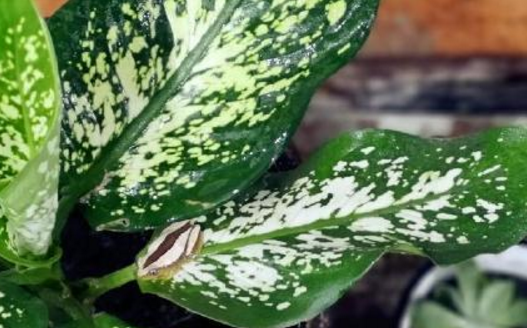
I. What is the hydroponic method for dieffenbachia?
Tips for growing dieffenbachia in water:
1. After growing it in water, be sure to place it under bright, indirect light. If the light is too strong, the leaf surface will become rough, the leaf margins and leaf tips will easily scorch, and there may even be large areas of burn damage; if the light is too weak, the yellow-white blotches will turn green.
2. Keep the ambient humidity at 80%, and mist the leaves frequently. If you go a long time without misting, the leaf surface will become rough and lose its luster.
3. In the hot summer, switch to growing it in clean water and increase the frequency of water changes.
4. Spraying foliar fertilizer can make the leaf color more brilliant.
Placement for hydroponic dieffenbachia:
Often used as a tabletop decoration in studies and living rooms.
Flower meaning:
Full of vitality, everlasting friendship.
II. What should you do when the leaves go soft?
Drought
The first reason this plant goes soft is drought, which is also a problem that commonly occurs with other plants. Its most obvious feature is that the softening starts from the top, accompanied by yellowing and withering. This is the simplest case to deal with: just replenish water in time, and also spray the leaves, which will give a better effect. However, when the temperature is too high, using water that is too cold will backfire.
Excess moisture
Some people may say that they did water it, and watered quite a lot, so why is it still like this? Actually, the problem is very simple: too much watering. Everything has a suitable amount; too little is no good, and too much is no good either, because when you water too much, there is not much air left in the soil, and the plant's roots will be damaged. When this happens, first loosen the soil to let it breathe, and replace part of the wet soil. After this treatment, it will not take long; in about a week or so, your plant will recover.
Leaching
If you think it is caused by too little fertilizer, be careful, because it may be the opposite: you have applied too much fertilizer. When there is too much fertilizer in the soil, leaching increases, and the plant then becomes short of water. First, you can wash the potting soil with a large amount of water and drain it promptly, or remove part of the soil and add some normal soil. To save the plant in time, you should also spray the leaves to promptly replenish a certain amount of water, so as to ensure the normal growth of the dieffenbachia.
Other
If none of the above situations have occurred, you also need to check whether pests or diseases have appeared. If so, use medication promptly and remove the diseased parts. Strong wind and strong light can also cause the plant to wilt. If that is where the problem lies, then promptly move the plant to a ventilated, shady and humid place, and spray the leaves to replenish water. In addition, temperature is also a very important factor and must be watched at all times; neither too high nor too low is acceptable. In the short term, the plant may not show any problems, but you must guard against them.
III. How do you propagate it?
1. Division propagation method for dieffenbachia
Propagation methods for dieffenbachia include division propagation, using the sprouts that emerge from the base of the plant for division. Division is generally done in spring, combined with repotting. During the operation, take the plant out of the pot, cut off all the rhizomes at its stem base, coat them with plant ash to prevent rot, and place them in a cool, ventilated place. Wait until the wounds are dry and healed before transplanting. After planting, water thoroughly, but afterward do not water too much. Growth will resume in about 10 days.
2. Stem cutting propagation method for dieffenbachia
During the hot summer period from July to August, this is the best time for stem cuttings of dieffenbachia. Cut 7 to 10 cm from the top of the dieffenbachia stem, remove the leaves from the rest of the part to reduce water evaporation through photosynthesis, coat the cut with plant ash or sulfur powder, insert it into a sand bed or wrap the cut with sphagnum moss, and place it in a spot with high air humidity and semi-shade, with sunlight intensity of about 50% to 60%. Keep the room temperature at 24 to 30°C. After insertion, roots will form in about 15 to 25 days. Wait until new buds sprout on the stem section, then transplant it into a flower pot for growing.
3. Propagation precautions for dieffenbachia
The soil for cultivating dieffenbachia should be fertile, loose and soft, and well-drained. Control the temperature at around 30°C during the day and around 25°C at night. It also likes moisture and fears dryness, and is shade-tolerant but fears sun exposure, so the soil in the pot should be kept moist, and it is best to grow it under bright, indirect light. Fertilize during the vigorous growth period from June to September next year, and the dieffenbachia will grow better and better.