-
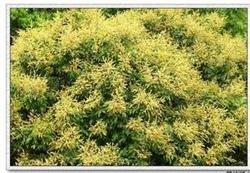
Rainy weather makes litchi and longan flowers prone to soaking and rotting, growers need to take precautions
The main task at present is to prevent "flush shoots", improve the quality of flower panicles, watch for pests and diseases, and fertilize in time. The high temperature and high humidity weather in February has caused many litchi and longan orchards to produce "flush shoots", greatly affecting flower bud emergence and flower quality. The earlier low-temperature overcast and rainy weather helped the later development of flower buds and the prevention of "flush shoots"...
-
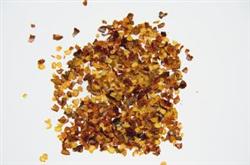
Pepper Seed Treatment by Chemical Soaking: Methods and Key Technical Points
Chemical soaking of seeds. To control pepper anthracnose and bacterial spot disease, pre-soak the seeds in clean water for 5-6 hours, then place them in a 1% copper sulfate solution (that is, 1 gram of copper sulfate mixed with 99 parts clean water) and soak for 5 minutes, then remove them, rinse with clean water, and proceed to sprouting; formalin (40% formaldehyde) at a 150-fold dilution can also be used to soak the seeds for 15 min...
-
Analysis of the Reasons for the High Seedling Emergence Rate of Carrot Seeds After Seed Soaking
Carrot seeds have a layer of bristles attached to the seed coat, so when sown by conventional methods, they emerge slowly and unevenly. After years of practice, soaking the seeds in hydrogen peroxide solution has proven effective, and it has been promoted and applied at the carrot production base in Xiangcheng County. For the soaking time, place the prepared 25% hydrogen peroxide solution in a container...
-
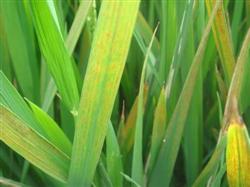
Key Points and Correct Operation Methods of Rice Seed Soaking Technology
Rice premature aging refers to the premature senescence of leaves during the heading to maturity stage of rice, with leaf color turning brown, dirty-white dead areas appearing at leaf tips, leaves thin and curved, root growth weakened, and even a few black roots occurring. There are many factors causing rice premature aging; besides pests and diseases, the main ones are the following...
-
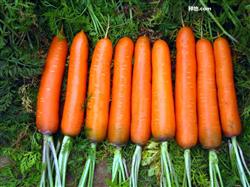
What is the correct method for soaking carrot seeds?
How should carrot seeds be soaked? Please advise. Because the seed coat of carrot seeds is covered with a layer of bristles, sowing by conventional methods results in slow and uneven emergence. After years of practice, soaking seeds in hydrogen peroxide solution has proven effective and has been promoted and applied at the Xiangcheng County carrot production base. Soaking time: put the prepared 2...
-
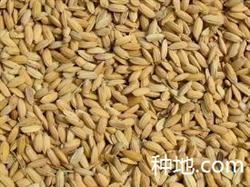
A Detailed Guide to Seed Soaking and Germination Promotion Methods for Hybrid Rice
A netizen from Guangxi left a message saying: We are about to raise rice seedlings, so how should we soak the seeds and promote germination? It is now the main spring production season, and a small number of farmers, due to improper operation during the seed soaking and germination process, have encountered problems such as seeds turning sour and smelly and poor sprouting. Therefore, when soaking seeds and promoting germination, attention should be paid to: 1. Sun-drying the seeds: ...
-
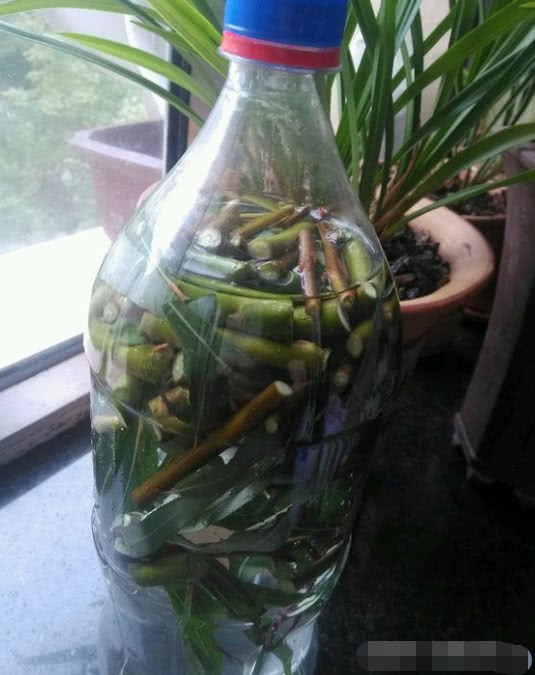
Soaking orchids with this stuff and watering them is said to promote rooting - today I'm soaking a bucket to try it
Everyone says soaking this stuff in water and watering orchids with it is good, so today I soaked a bucket to try it - it's just willow branches, soaked in water, a great helper for orchid rooting. Orchids most dread being repotted or having their potting soil dug around to check for shoots. In autumn, division or repotting is generally done, and at this time you need to pay attention to...
-

Can You Eat Bayberry If It Has Worms? Salt Water Soaking to Remove Worms and Cleaning Methods
The small white worms in bayberry are fruit fly larvae, basically harmless and safe to eat. This article introduces the method of soaking in salt water for 10 to 20 minutes to remove the worms, cleaning bayberry with cornstarch water, as well as tips for selecting fresh bayberry and its ripening time, to help you enjoy it with peace of mind.
-
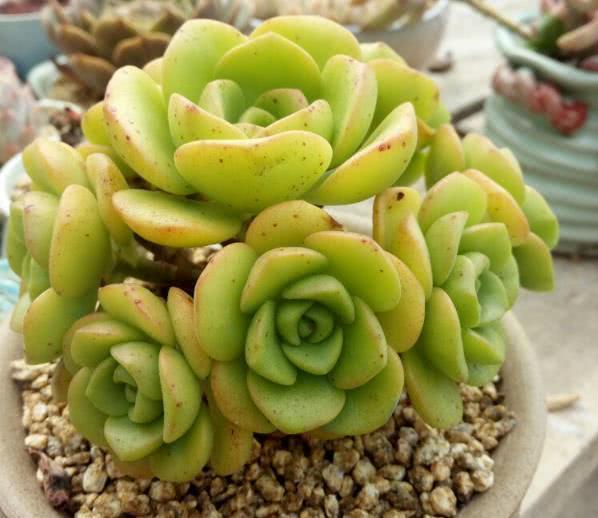
How to deal with localized water-soaking in succulents: do it right and they will grow vigorously and look beautiful
During the high temperatures of summer, the leaves of succulents are prone to localized water-soaking. When the stomata of the leaves close, part of the leaf will become water-soaked, which means the succulent is being smothered. So ventilation must be strengthened by shading the succulent and using a fan to cool it down...
-
条件筛选